







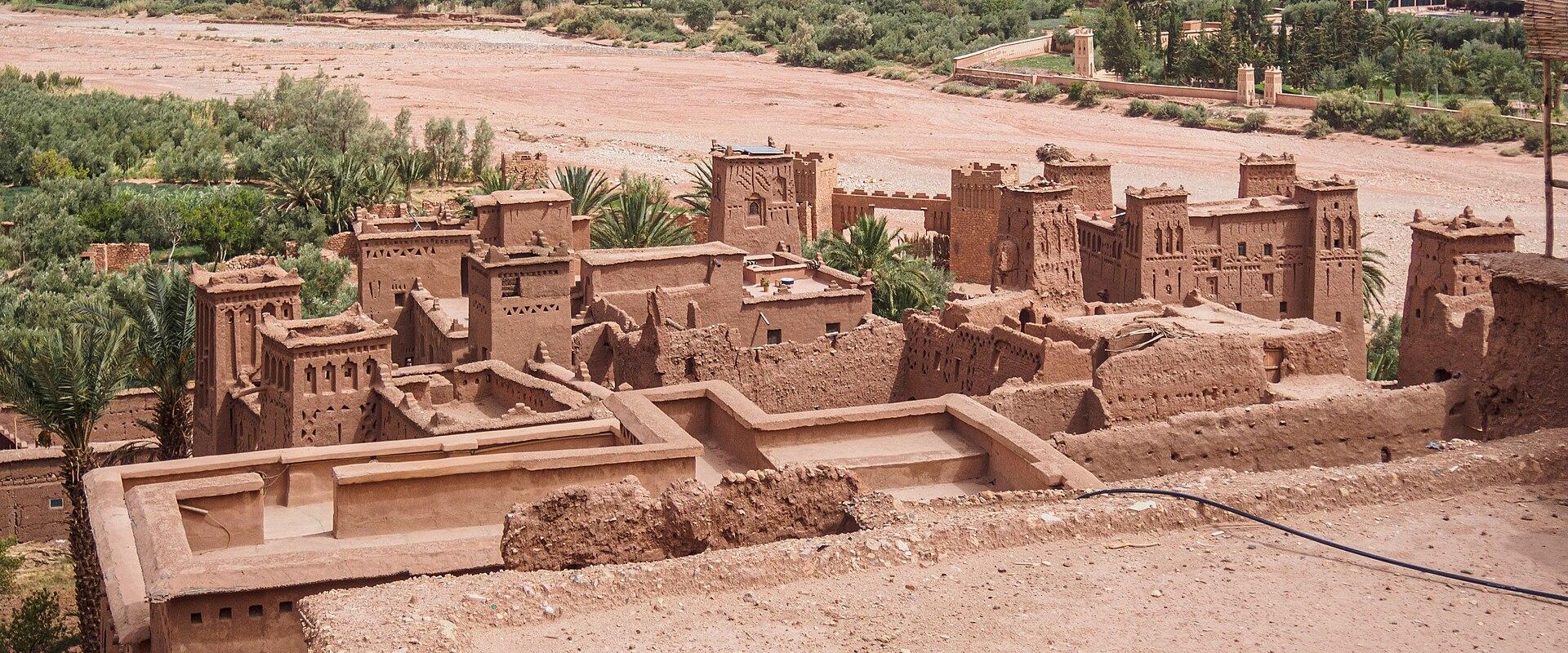
Kasbah of Ait Benhaddou
UNESCO-listed fortified mudbrick village in Morocco
- Admission
- Approximately 40 MAD
- Where
- Aït Benhaddou, Draa-Tafilalet
- Directions
- Directions
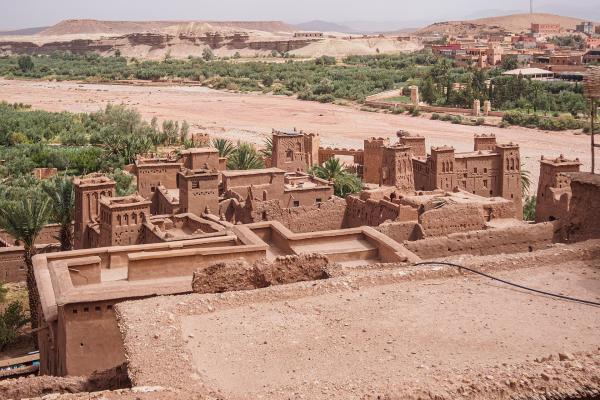
The Kasbah of Aït Benhaddou is the name many visitors use for the whole earthen village that climbs a hillside above the river Ounila, though strictly it is a ksar, a cluster of fortified family houses with a few grander towers among them. It is one of the best-known Moroccan monuments and lies roughly thirty kilometres from Ouarzazate, reached by a side road from the N9, the highway that links Marrakech, Ouarzazate and Zagora across the High Atlas. The setting is what stays in the mind: a golden-brown silhouette of towers and crenellated walls against a dry valley, with palms along the water and arid hills behind.
The village is built from pisé, rammed earth mixed with straw, and from mud brick, which is why its look changes with the weather and the light. Each house is a tall, compact block, windowless at the base and pierced by small openings higher up, and the top floors are decorated with zigzag and lozenge patterns pressed into the clay. These shapes are often described as Berber motifs, and they belong to a regional building tradition that runs through the valleys south of the mountains. Because rain wears the earth away, the walls need constant repair, and several sections have been restored with help from international heritage programmes. The ksar was inscribed as a UNESCO World Heritage Site in 1987.
Key practical advice is to cross the riverbed on foot, wander uphill through the alleys and keep going until you reach the old granary at the top, where the panorama over the village, the valley and the road is best. Look out for the carved wooden doors, the fortified corner towers and the narrow stairways that work as shortcuts between houses. Along the way, families who still live in the ksar sell paintings, scarves and tea, and it is normal to be invited in for a look.
The place is also a screen star. Parts of Gladiator, Game of Thrones and Lawrence of Arabia were filmed in or near it, as were many other productions made at the studios of Ouarzazate, and the film connection is part of why tour groups arrive in numbers. To avoid the crowds, come early in the morning or as the day cools, when the light picks out the texture of the walls and the Saharan caravan story the place represents feels easier to imagine.
It suits photographers, architecture enthusiasts and travellers crossing southern Morocco between Marrakech and the desert. A local guide helps with the layout and history, and the neighbouring Ksar of Ait Benhaddou, the Tighremt Oufella kasbah and the main gate cover other aspects of the same site.
More photos coming soon
Admission Fees
- Admission
- Approximately 40 MAD
Hours and prices change, especially out of season. Check with the venue before you go.
Nearby Attractions
Other places to visit in Aït Benhaddou
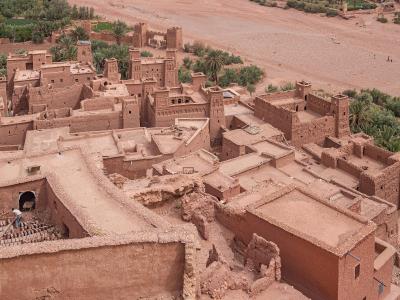
The Main Gate (Bab El Hadid)
11th-century fortified village on trans-Saharan trade route
Cultural Experiences · History & Heritage
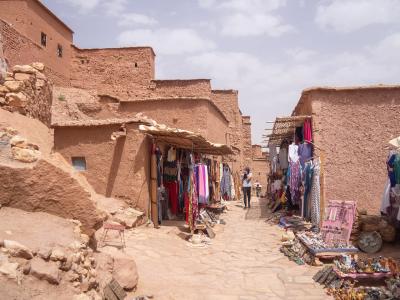
Local Souk Area
UNESCO earthen ksar on ancient caravan routes
Historic Towns · Local Crafts
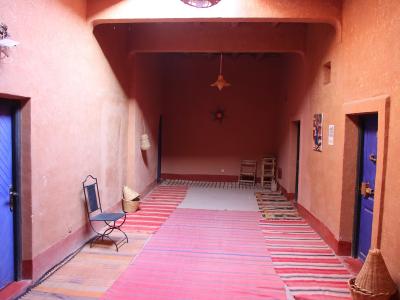
Traditional Berber House Tours
UNESCO kasbah of traditional Berber earthen architecture
Free Activities & Adventure · Cultural Experiences
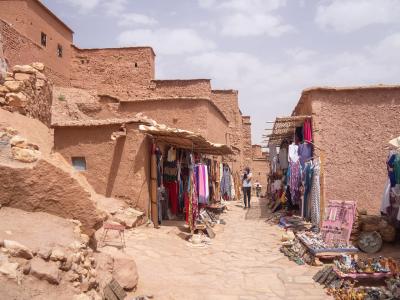
Ksar of Ait Benhaddou
UNESCO earthen fortress and historic film location
Cultural Experiences · History & Heritage
Questions people ask
Quick Facts
Best Time to Visit
Visit in spring or autumn for mild temperatures ideal for exploring the ksar and surrounding desert landscapes comfortably.