- Where
- Aït Benhaddou, Draa-Tafilalet
- Directions
- Directions
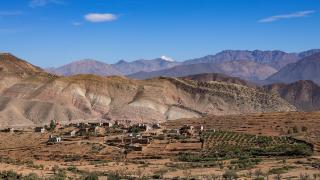
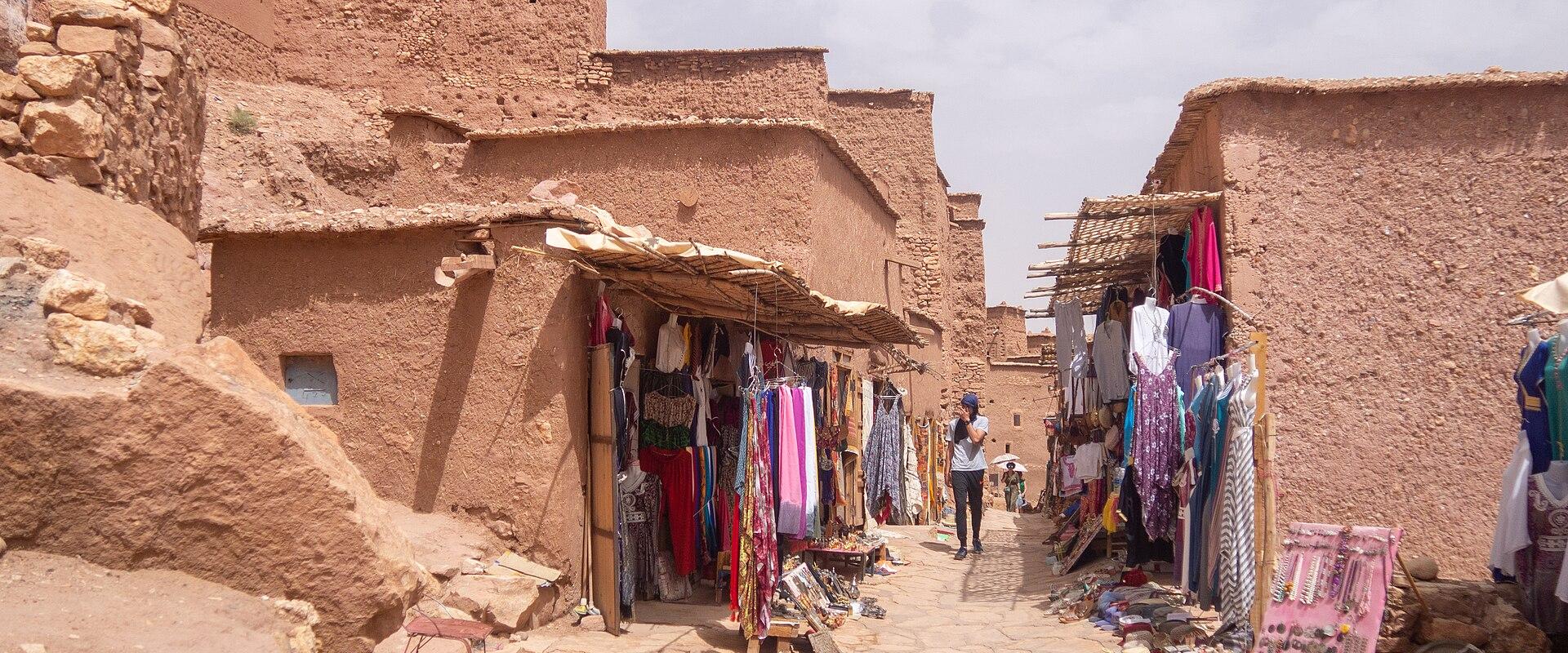
The Ksar of Aït Benhaddou is the best-preserved example of a ksar in southern Morocco, and it is worth knowing what that word means. A ksar is a fortified village, a cluster of family houses built together inside a defensive wall, often with towers at the corners and a single main gate. A kasbah, by contrast, is usually the fortified house of a chief or lord, though the two terms are loosely used. Aït Benhaddou is a ksar, and it also contains grander tower houses of richer families, known as tighremt, which stand out by their height and decoration. The settlement lies some thirty kilometres from Ouarzazate, on a slope above the Ounila river, and it is a UNESCO World Heritage Site.
The village grew along a caravan route that linked the Saharan trade with Marrakech through the High Atlas passes, and the position explains its form. Houses are packed tightly for protection, and the outer walls have almost no windows at ground level. Corner towers allowed watchers to scan the valley, and the alleys are narrow and winding so that outsiders would lose their way. Inside the ksar, space is divided into small clusters of houses, each connected by stairs, courtyards and covered passages. At the top, above the roofs, stands the agadir, a communal granary where grain and valuables were stored, and from there the view over the village, river and palm groves is the best in the area.
Another important element is water and land. The river provided irrigation for gardens and fields of barley, vegetables and date palms on the valley floor, and the community managed channels and shared water by rota. This relationship between village and fields is typical of the oases of the south and is what made life here possible in an arid landscape. Today the old ksar is lived in by only a few families, while most residents have moved to newer houses across the river.
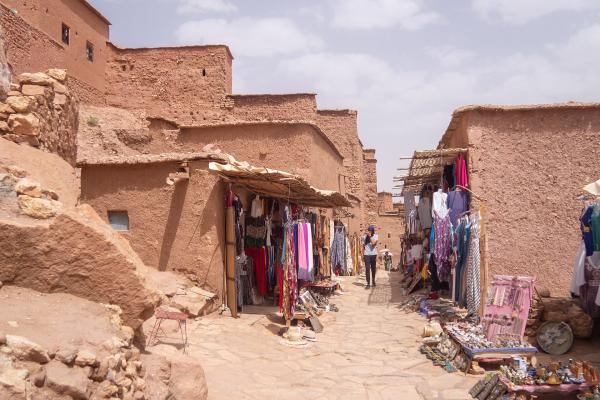
The place has also been a film location for productions such as Lawrence of Arabia, Gladiator and Game of Thrones, and the sets and settings have helped its fame. The film connection explains the presence of many visitors, so early morning and late afternoon are the best times for quiet and soft light. A local guide can explain the layers of the village, the building technique and the role of different spaces. Paths can be slippery after rain, so wear shoes with grip.
Visitors should respect residents, ask before photographing people and avoid entering private houses without invitation. The ksar suits architecture lovers, families and photographers, and it fits well into a journey between Marrakech and the Sahara. Together with the nearby Tighremt Oufella and the main gate, it offers a complete picture of Amazigh earthen building in the High Atlas foothills, and the contrast with the Berber valleys to the north makes the trip richer.
More photos coming soon
Nearby Attractions
Other places to visit in Aït Benhaddou
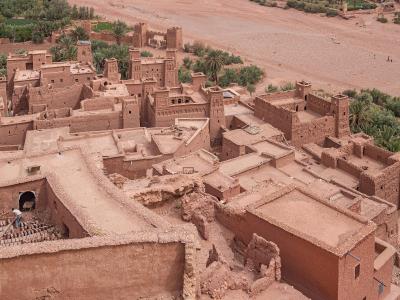
The Main Gate (Bab El Hadid)
11th-century fortified village on trans-Saharan trade route
Cultural Experiences · History & Heritage
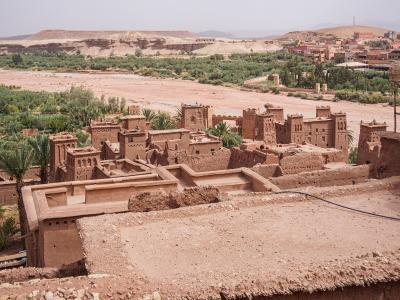
Kasbah of Ait Benhaddou
UNESCO-listed fortified mudbrick village in Morocco
From MAD 40 Cultural Experiences · History & Heritage
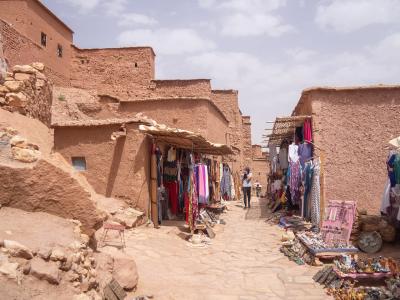
Local Souk Area
UNESCO earthen ksar on ancient caravan routes
Historic Towns · Local Crafts
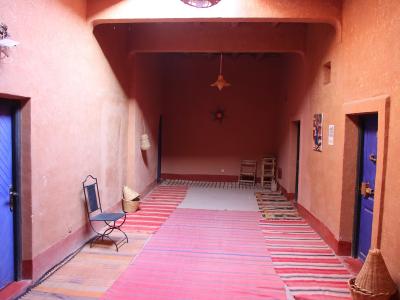
Traditional Berber House Tours
UNESCO kasbah of traditional Berber earthen architecture
Free Activities & Adventure · Cultural Experiences
Questions people ask
Quick Facts
Best Time to Visit
Visit in spring or autumn for mild temperatures ideal for exploring the ksar and surrounding desert landscapes comfortably.