







Traditional Berber House Tours
UNESCO kasbah of traditional Berber earthen architecture
- Admission
- Free admission
- Hours
- Daily 9am-6pm
- Where
- Aït Benhaddou, Draa-Tafilalet
- Directions
- Directions
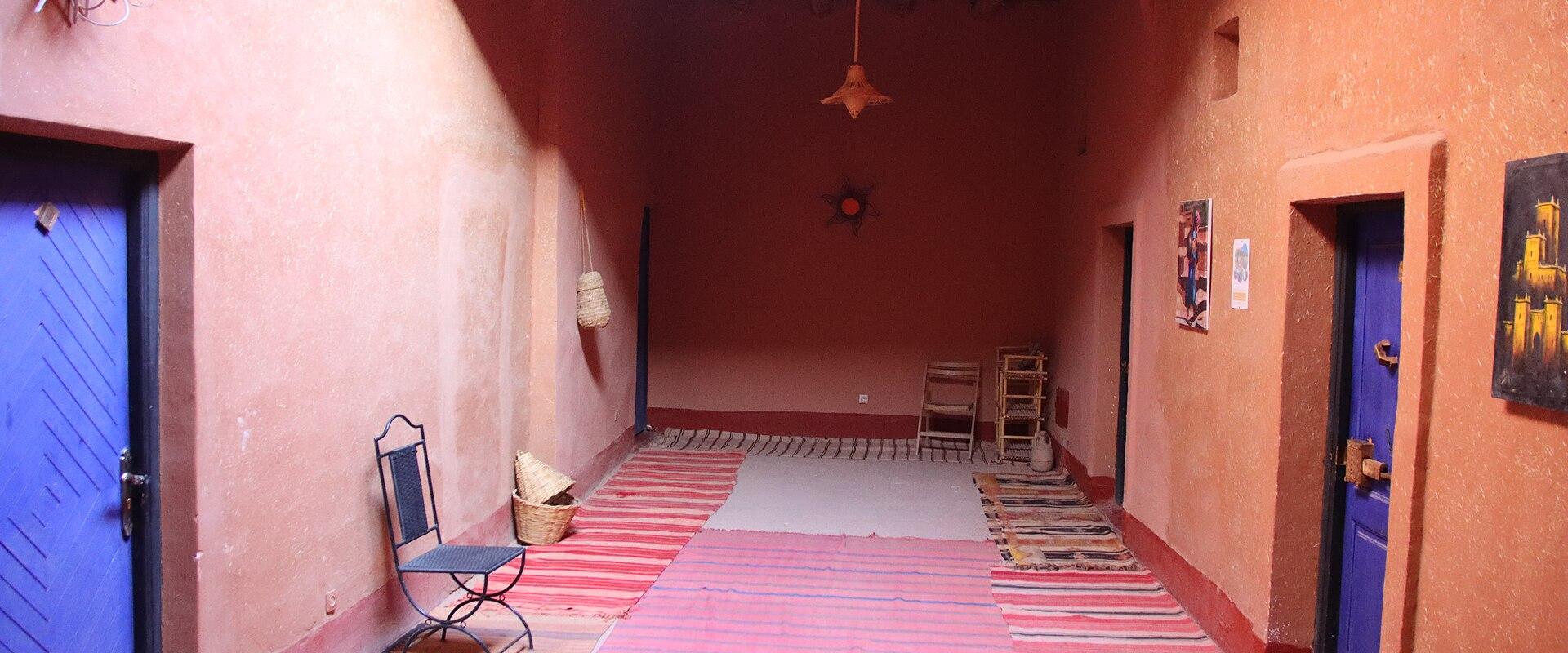
Traditional Berber House Tours at Aït Benhaddou are short visits, usually arranged by local residents, that take you inside one of the ksar's family homes. The village is a UNESCO World Heritage Site, and most visitors see it only from the outside, as a skyline of towers and walls. Going indoors changes the experience, because it shows how people actually live in this kind of architecture and why it was designed as it was. Most visits last twenty minutes to an hour and are informal, with a family member or guide leading you through the rooms, and they work best when approached with curiosity and respect.
The layout of the typical house is logical. The ground floor, with its thick walls and few openings, is used for animals, fodder and storage, which keeps it cool and secure. A steep stair of beaten earth leads to the first floor, where the family lives and sleeps in rooms around a small central court or light well. Kitchens are often on the upper level, with clay ovens and open hearths, and the rooftop terrace is used for drying crops, washing, sleeping in summer and looking out over the valley. The walls are built from rammed earth and mud brick, plastered with a mix of clay and straw that is renewed regularly, and the beams are palm trunks, while ceilings use woven reeds and cane. Understanding these materials explains why the village needs constant care.
The visit is usually accompanied by mint tea and sometimes bread, olive oil and dates, an expression of the hospitality for which Amazigh families are known. Hosts may demonstrate how bread or tagine is made, show carpets and tools and talk about family life in the ksar, often in a mix of French, English and gestures. It is customary to leave a tip or buy something small, such as a painting, a scarf or a jar of spices, since this is how families earn a living from visitors. Ask the price in advance if there is any doubt, and decline politely if you are not interested.
Visitors should dress modestly, remove shoes if invited to sit on carpets and ask before taking photographs of people or private rooms. The stairs are steep and the ceilings low, so watch your head and step carefully. Mornings and late afternoons are better, when the light is good and the heat is lower.
The village lies on the southern side of the High Atlas, and on clear days the Atlas peaks can be seen from the rooftops. These visits suit people interested in architecture, family life and craft, and they add a human layer to the main sights of Aït Benhaddou. They fit well with a walk to the granary at the top of the village, the Tighremt Oufella and the shops along the lanes, and they make the whole visit more memorable. A house visit often becomes the most remembered part of a trip.
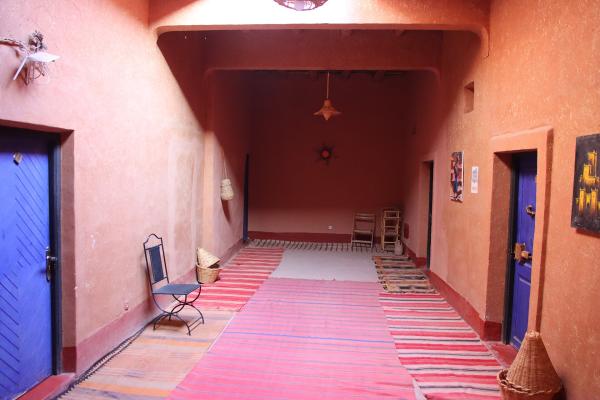
More photos coming soon
Hours & Fees
- Open
- Daily 9am-6pm
- Admission
- Free admission
Hours and prices change, especially out of season. Check with the venue before you go.
Nearby Attractions
Other places to visit in Aït Benhaddou
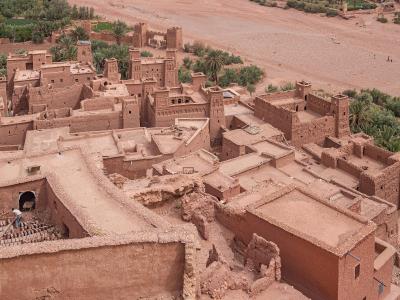
The Main Gate (Bab El Hadid)
11th-century fortified village on trans-Saharan trade route
Cultural Experiences · History & Heritage
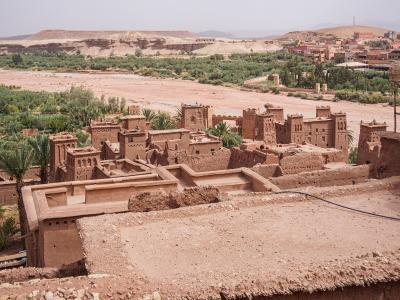
Kasbah of Ait Benhaddou
UNESCO-listed fortified mudbrick village in Morocco
From MAD 40 Cultural Experiences · History & Heritage
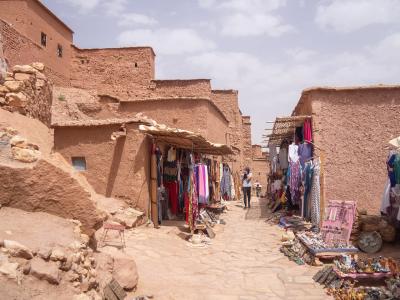
Local Souk Area
UNESCO earthen ksar on ancient caravan routes
Historic Towns · Local Crafts
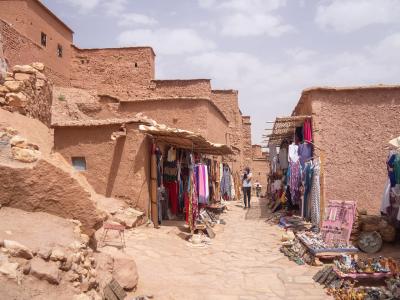
Ksar of Ait Benhaddou
UNESCO earthen fortress and historic film location
Cultural Experiences · History & Heritage
Questions people ask
Quick Facts
Best Time to Visit
Visit in spring or autumn for mild temperatures ideal for exploring the ksar and surrounding desert landscapes comfortably.