- Where
- Merzouga, Draa-Tafilalet
- Directions
- Directions
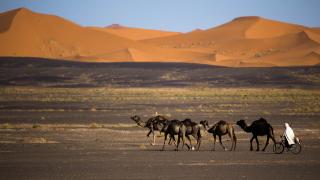
Local Berber hospitality around Merzouga is one of the main reasons that visitors remember a trip to the Sahara, and understanding a few of its customs makes the experience richer. The area at the edge of the Erg Chebbi dunes is home to the Ait Khebbach, a Berber (Amazigh) group historically associated with nomadic herding, trade and the guarding of caravan routes across the Saharan sands. Many families have settled in the villages and small towns around Merzouga in recent generations, and tourism has become an important source of income, but the old values of welcome and generosity still shape how guests are treated.
Hospitality in this part of Morocco follows a recognisable pattern. A guest who arrives at a tent or house is invited to sit, and the host prepares mint tea, a ritual in itself. The tea is made with green tea, fresh mint and plenty of sugar, brewed in a metal pot and poured from a height into small glasses so that it foams. Tradition says that three glasses are served, each with a different character, often compared to life, love and death, and it is polite to accept at least the first. Bread, dates, olives and sometimes a tagine follow, shared from a common dish with the right hand, and conversation is unhurried. Declining food without a reason can be taken as a slight, so take a little of everything.
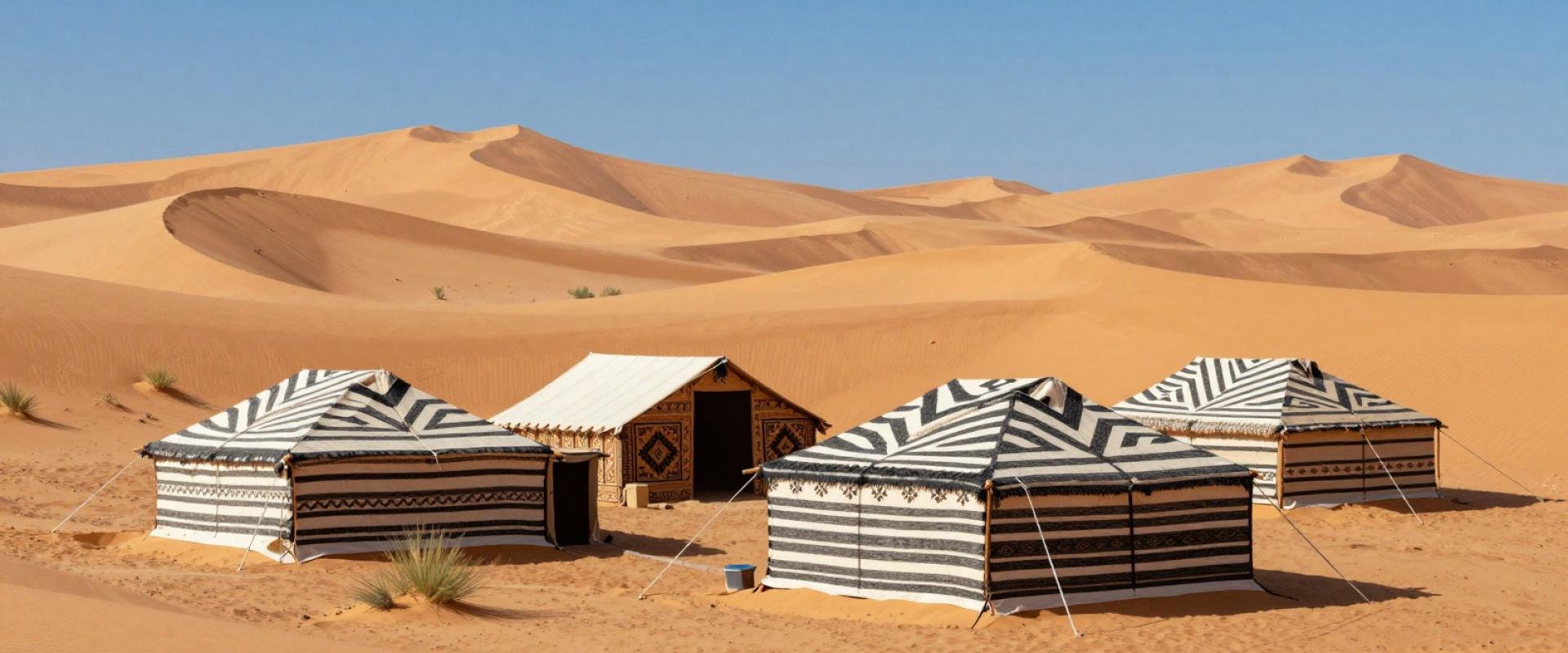
In the desert camps and village guesthouses, hospitality takes organised forms. Evenings often feature drumming and singing around a fire, and some families perform the music of the Gnawa, descendants of West African communities whose rhythmic ceremonies are known across Morocco, in the nearby village of Khamlia. Storytellers recount tales of caravans, jinn and hidden wells, while guides explain how nomads navigate by stars and dune shapes and how to read tracks in the sand. Crafts such as carpets, silver jewellery, fossils and leatherwork are sold, and some families teach visitors to wrap a headscarf or bake bread in the sand.
Practical considerations help make visits respectful. Dress modestly, especially in villages, and remove shoes before entering tents and houses where carpets cover the floor. Ask before photographing people, and accept refusals graciously. Gifts such as tea, sugar, school supplies or fruit are welcome, but avoid handing out sweets or money to children. Choose operators who employ local people and pay fair wages, and agree prices before a tour begins.
Hospitality here is not a performance but a tradition adapted to new circumstances, and visitors who approach with patience and curiosity are often rewarded with real conversation. The experience suits travellers who want more than a ride on a camel, families interested in culture and anyone curious about desert life. A night in a family-run camp is the best way to meet people, and a longer stay allows time for walks, visits to nomads and an understanding of how Morocco’s Sahara is lived in rather than simply visited.
Categories
More photos coming soon
Nearby Attractions
Other places to visit in Merzouga
Questions people ask
Quick Facts
Best Time to Visit
Visit in spring or autumn for mild temperatures ideal for dune exploration and camping.