







- Admission
- Kasbah requires a small entrance fee
- Hours
- Open to the public; the Kasbah requires a small entrance fee, while the Grande Mosquée is...
- Where
- Chefchaouen, Tangier-Tetouan
- Directions
- Directions
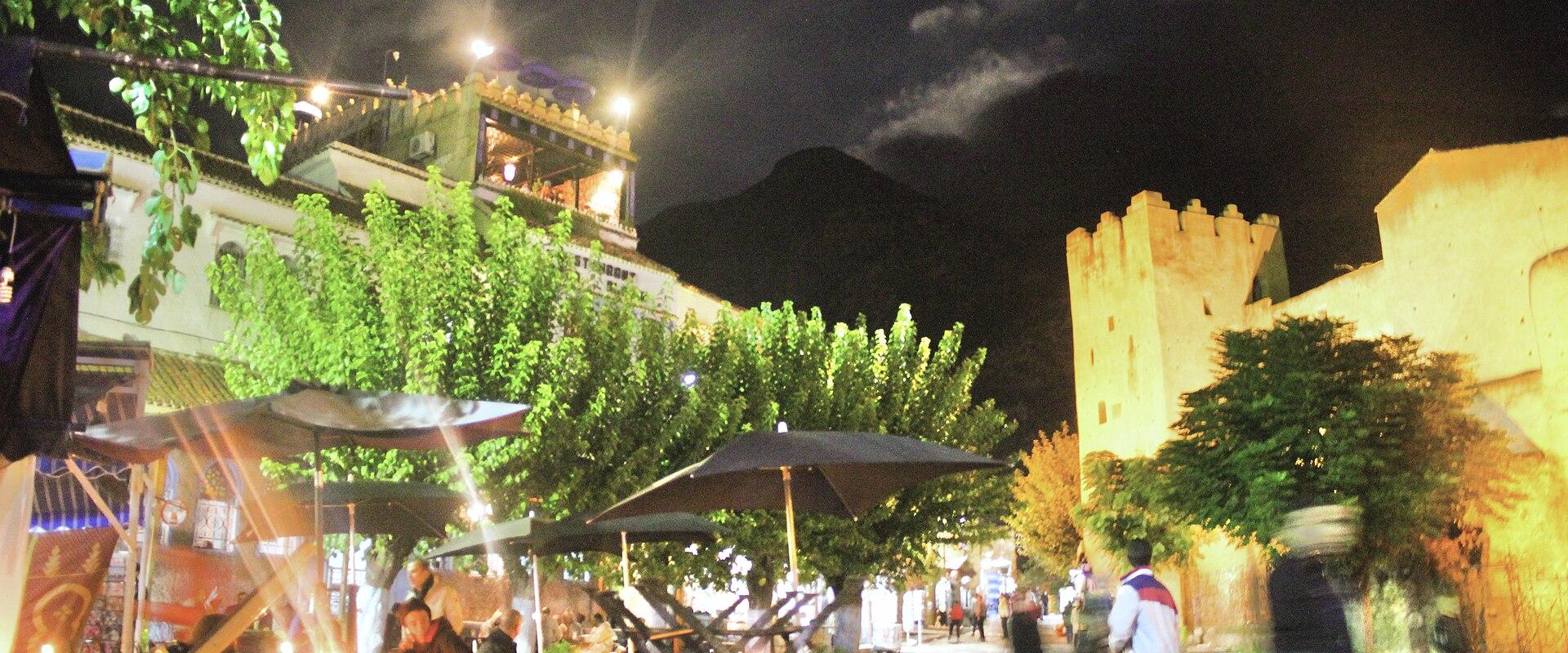
Place Outa el-Hammam is the main square of Chefchaouen, a broad, cobbled space in the middle of the medina, and it is the best place to sit and watch the town. Outa is a word often translated as flat ground or lowland, and hammam means bathhouse, so the name is generally explained as the square of the baths, a reference to the public bathhouses that once stood nearby. In older spellings and on some signs it appears as Plaza Uta el Hammam, a reminder of the town's Spanish connections. The square sits at the point where several lanes meet, and it is where residents, shopkeepers, students and visitors cross paths through the day.
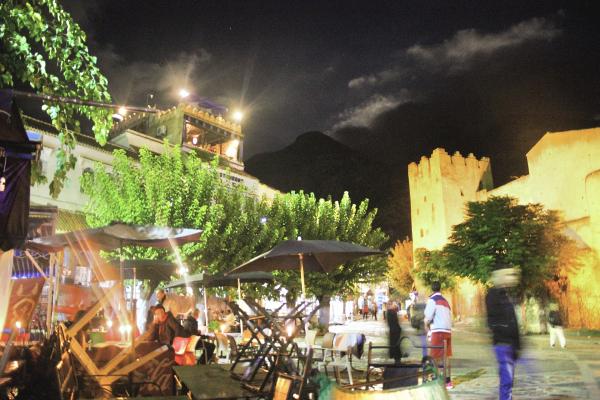
The surroundings give it character. On one side stands the Kasbah, the fortress built in the late fifteenth century by the town's founder, with its walls and a tower looking over the square; it houses a small museum and a garden courtyard, and a ticket is needed to enter. Opposite is the Grande Mosquée, the town's principal mosque, recognisable by its unusual octagonal minaret, and open only to worshippers. The buildings between them are a mix of whitewashed and blue-painted Moroccan houses, with arcades, balconies and shops, and the architecture reflects the Andalusian-Moroccan blend that defines the town, with arches, tiled roofs and carved doors.
Cafés and restaurants line the edges, many with outdoor tables under awnings or on rooftop terraces that give a good view over the square and the roofs. Mint tea, coffee, fresh orange juice and local pastries are on offer, and the dishes of the region include tagines, grilled meats, bissara soup and goat cheese. Eating or drinking here is a pleasure in itself, since the scene is lively but unhurried, with children playing, old men chatting and groups of visitors taking photographs. Nearby shops sell woollen goods, leather, ceramics and souvenirs, and the lanes that lead off the square are filled with more.
The best time to visit is late afternoon, when the light softens, the blue walls glow and the square fills with people, though early morning is quiet and good for photographs. In the evening, lamps are lit and the atmosphere becomes festive, especially in the summer months. The square is the natural starting point for walks to the Ras el-Maa spring and the Spanish Mosque on the hill, and for exploring the medina's lanes.
Visitors should dress modestly, ask before photographing people and keep valuables secure in the crowds. The square is free and open at all times, though shops and cafés keep ordinary hours. It suits travellers who like people-watching, photographers and anyone wanting to understand how the town works. A good table on a terrace is the best way to experience Chefchaouen’s rhythm, and an hour here says more than a long checklist of sights.
Categories
More photos coming soon
Hours & Fees
- Open
- Open to the public; the Kasbah requires a small entrance fee, while the Grande Mosquée is open to
- Admission
- Kasbah requires a small entrance fee
Hours and prices change, especially out of season. Check with the venue before you go.
Nearby Attractions
Other places to visit in Chefchaouen
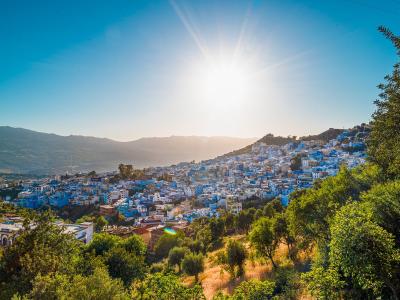
Medina of Chefchaouen
15th-century refuge with blue-washed buildings
Architecture · Historic Towns
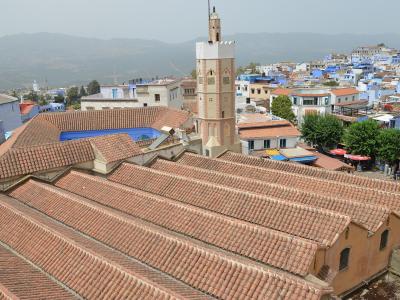
Grand Mosque (Great Mosque)
15th-century mosque at Place Outa Hammam
Architecture · Historic Towns
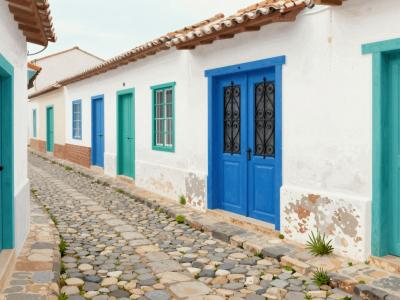
Chefchaouen Medina Souk
Traditional souk in Chefchaouen's blue-walled medina
Markets · Shopping
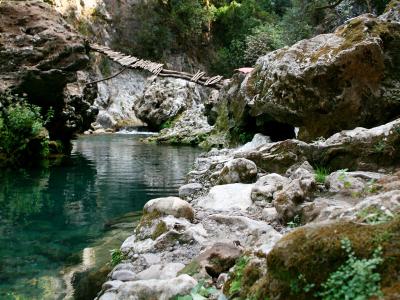
Talassemtane National Park
Rif Mountains park protecting fir forests and limestone g...
Activities & Adventure · Natural Wonders
Questions people ask
Quick Facts
Best Time to Visit
April to June and September to October. Winters are cold and wet (most of the town's 480 mm of annual rain falls between November and March); July and August are warm and busy.