







Talassemtane National Park
Rif Mountains park protecting fir forests and limestone g...
- Where
- Chefchaouen, Tangier-Tetouan
- Directions
- Directions
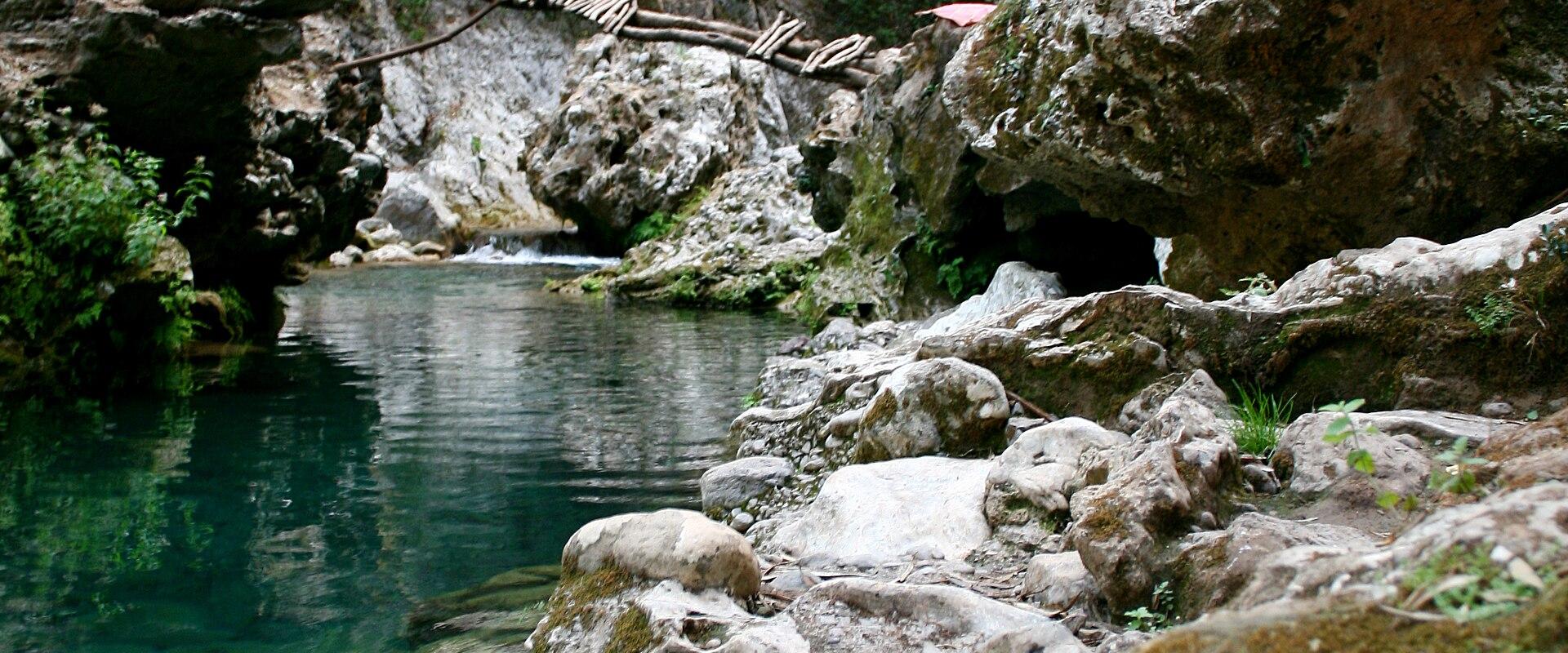
Talassemtane National Park is a protected area in the Rif Mountains of northern Morocco, west and southwest of Chefchaouen, created in the early 2000s to protect one of Morocco’s most important mountain forests. It covers tens of thousands of hectares of steep, rugged land between low valleys and high ridges, with limestone cliffs, deep gorges and plateaus. It is part of the Intercontinental Biosphere Reserve of the Mediterranean, designated by UNESCO, a cross-border area linking northern Morocco and southern Spain, and that status reflects how ecologically similar and valuable the two shores are.
The park is best known for its Moroccan fir, a relict species related to the Spanish fir found in the mountains of Andalusia, which survives here in small areas of cool, damp slopes. Other trees include Atlas cedar, holm oak, cork oak and pine, with a rich understory of shrubs and herbs, and the area supports a large number of plant species, some found nowhere else. Wildlife includes Barbary macaques, wild boar, foxes and a variety of birds of prey, and the area is recognised for its birds. Bearded vultures have been reported in the mountains, but they are rare and sightings are never guaranteed.
Hiking is the main activity. Trails range from short walks to multi-day routes between mountain villages, such as El Kalaá and Akchour, through forest, over ridges and along river valleys. Akchour is the most popular destination, thanks to its waterfalls and a natural limestone arch known as the Bridge of God, reached by a walk along the river and over rocky sections. Swimming in the pools below the falls is popular in summer, and the water is cold and clear. Weekends and holidays can be busy, so early starts help. The river drains toward the Oued Laou watershed, and the gorge scenery can be dramatic.
Preparation matters. Wear sturdy shoes, bring plenty of water and food, and check conditions with local guides, as paths can be steep and slippery and weather can turn quickly. Fire is a serious risk in dry months, so avoid smoking or lighting fires, and take all rubbish with you. Local guides from Chefchaouen and the villages can provide route knowledge and a good link with village life, and hiring one supports the local economy.
The park suits walkers, nature lovers and photographers, and it offers a very different side of the region from the blue lanes of Chefchaouen. A day trip to Akchour is easy, but a night or two in a mountain guesthouse gives a deeper sense of the landscape.
Categories
More photos coming soon
Nearby Attractions
Other places to visit in Chefchaouen
Medina of Chefchaouen
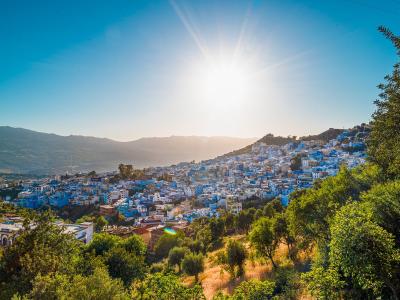
15th-century refuge with blue-washed buildings
Architecture · Historic Towns
Grand Mosque (Great Mosque)
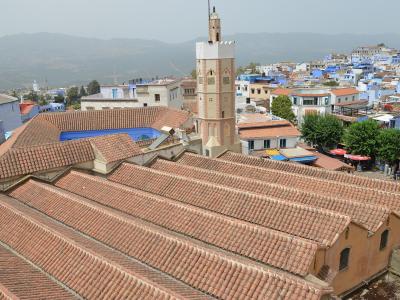
15th-century mosque at Place Outa Hammam
Architecture · Historic Towns
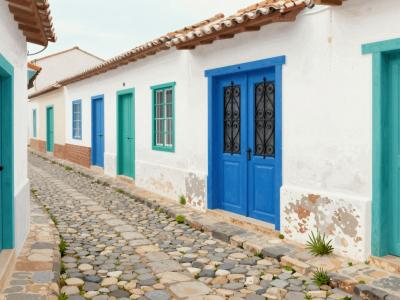
Chefchaouen Medina Souk
Traditional souk in Chefchaouen's blue-walled medina
Markets · Shopping
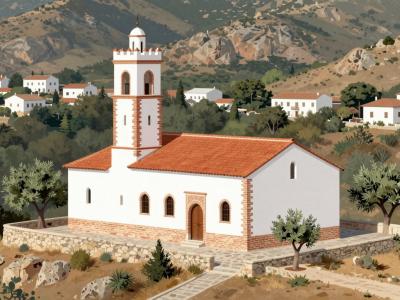
Spanish Mosque (Mosque of the Spaniards)
1920s Spanish-built mosque atop Chefchaouen's hill
Cultural Experiences · History & Heritage
Questions people ask
Quick Facts
Best Time to Visit
April to June and September to October. Winters are cold and wet (most of the town's 480 mm of annual rain falls between November and March); July and August are warm and busy.