
- Admission
- 10 dirhams
- Hours
- Daily 9am-noon and 3pm-6:30pm
- Where
- Meknes, Fes-Meknes
- Directions
- Directions
The ruined complex usually called the Royal Stables in Meknes is the site of Heri es-Souani, a vast storage and stabling structure built under Sultan Moulay Ismail in the late seventeenth and early eighteenth centuries. It belongs to the Alawite-era imperial city that Moulay Ismail’s court created, an ambitious project often compared to Versailles in its scale and political purpose. Tradition says that the stables could hold thousands of horses, with figures as high as twelve thousand repeated in many accounts, though the exact number is better treated as an indication of grandeur than a hard fact. The site is among the most impressive ruins in North Africa.
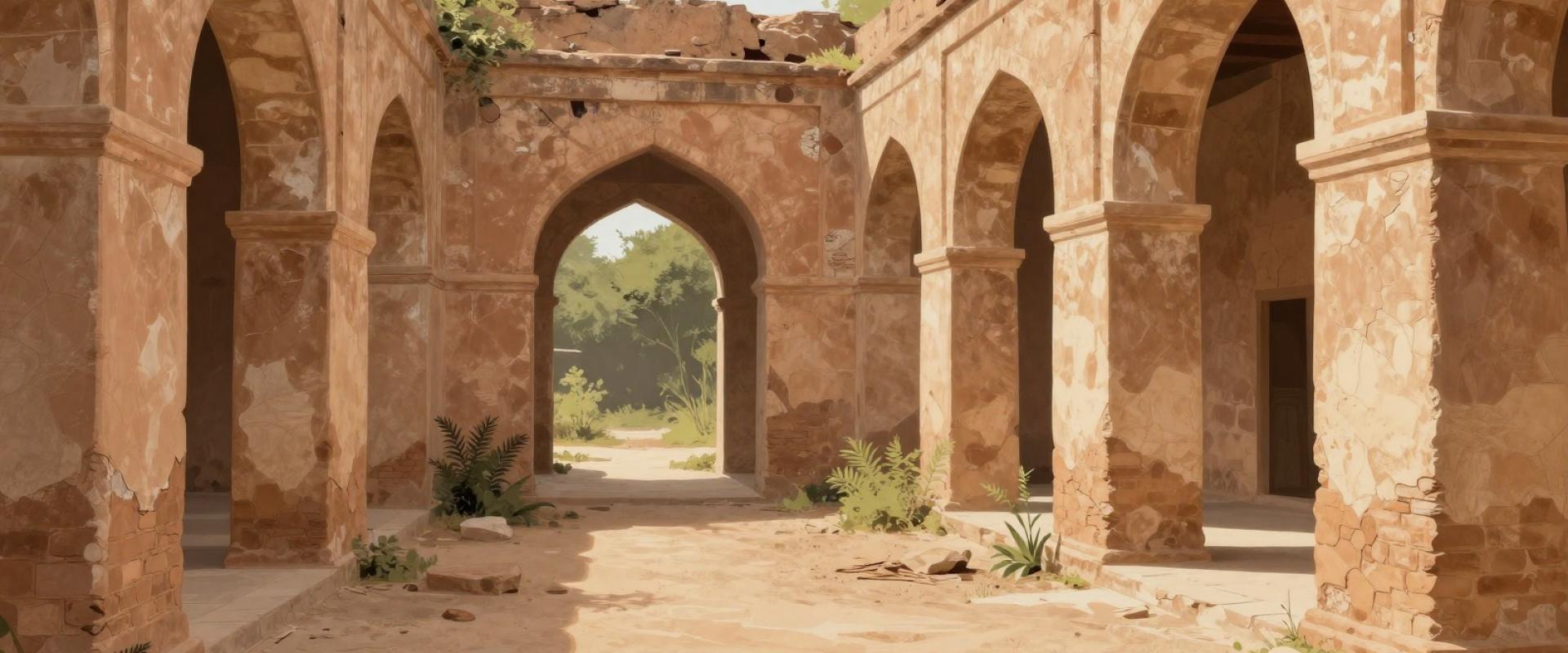
What survives today is mostly a forest of massive arches and thick walls. Long, parallel galleries of vaults rise from the ground, their roofs partly collapsed, so that daylight falls through the openings and creates shifting pools of light and shade across the stone. The scale is the main impression: the aisles seem to repeat endlessly, and wandering among the piers is a little like walking in an abandoned cathedral. The earthquakes that struck the region in the eighteenth century are generally blamed for much of the damage, although neglect has done its part too.
The complex was not only about horses. Adjacent structures served as granaries and storehouses, and a large reservoir known as the Agdal basin stored water for the gardens and for the court. Practical needs drove the design. Together they were part of a system designed to supply a large army, its animals and the palace, which gives the site more meaning than a stable block alone. Look for the thick walls and ventilation openings that kept stored grain cool and dry in a hot climate.
It should not be confused with the modern national stud farm, the Haras de Meknes, which was founded in the early twentieth century and breeds horses. The ruins are part of the historic ensemble of Meknes inscribed by UNESCO in 1996 as part of Morocco’s World Heritage listing, and they sit within walking distance of the Mausoleum of Moulay Ismail, Bab Mansour al-Alou and the Kasbah of Meknes.
Visitors should wear comfortable shoes because the ground is uneven, and bring a hat, since there is little shade outside the vaults. A visit takes a short time, but photographers will want to linger as the light moves. The site suits people who like architecture on a large scale, history readers curious about Morocco under Moulay Ismail's court and visitors who enjoy quiet ruins more than lively markets. Opening times and ticket prices are shown elsewhere on the page and can change.
Categories
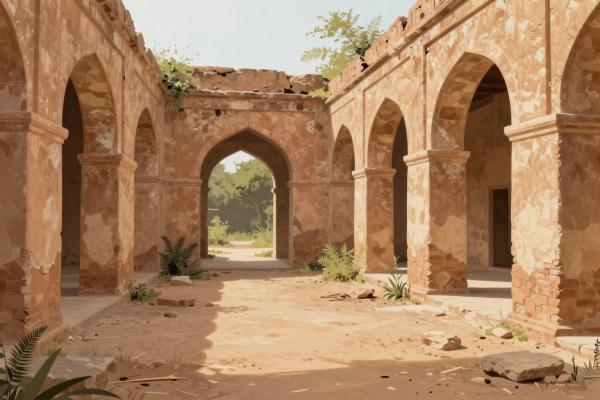
More photos coming soon
Hours & Fees
- Open
- Daily 9am-noon and 3pm-6:30pm
- Admission
- 10 dirhams
Hours and prices change, especially out of season. Check with the venue before you go.
Nearby Attractions
Other places to visit in Meknes
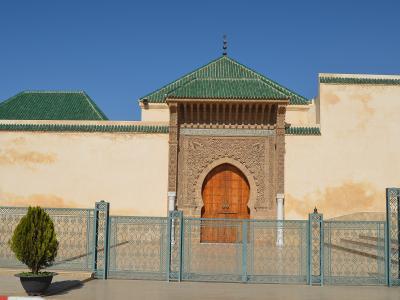
Mausoleum of Moulay Ismail
18th-century mausoleum of Morocco's longest-reigning sultan
History & Heritage · Cemeteries
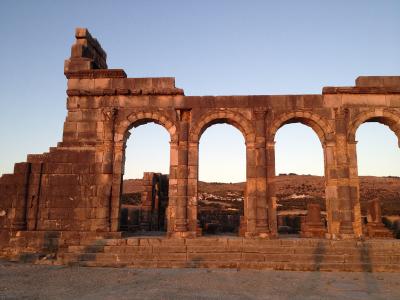
Volubilis Ruins
Roman ruins with intact mosaics near Meknes
From MAD 70 Cultural Experiences · History & Heritage
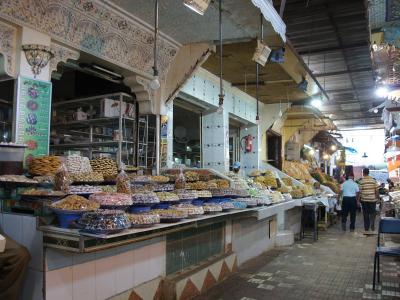
Medina of Meknes
UNESCO site and former capital with monumental gates
Cultural Experiences · History & Heritage
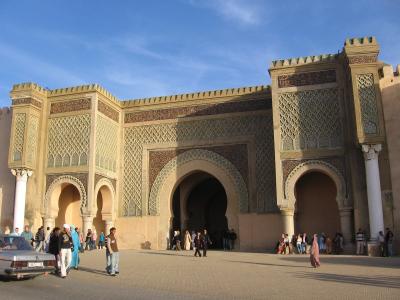
Bab Mansour al-Alou
Morocco's largest monumental ceremonial gate
Cultural Experiences · History & Heritage
Questions people ask
Quick Facts
Best Time to Visit
Visit in spring or autumn for mild weather ideal for exploring ruins and the medina.