- Admission
- 70 MAD adults
- Free for Moroccan nationals on Fridays
- Hours
- Daily 8:30am-5:30pm
- Where
- Meknes, Fes-Meknes
- Directions
- Directions
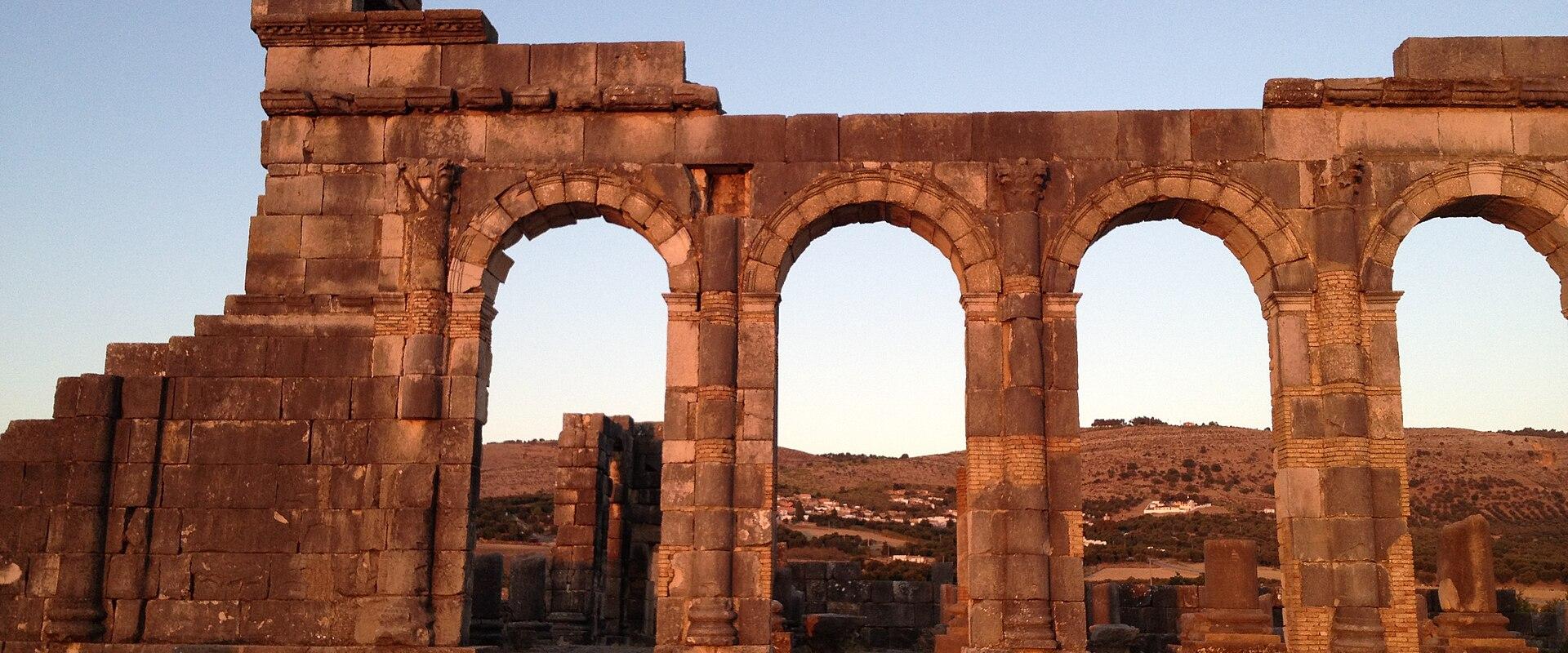
The Volubilis Ruins stand on a gentle plateau above fertile farmland about thirty kilometres from Meknes, below the hills of the Zerhoun massif. They are the best-known Roman remains in the country, the high point of Morocco’s Roman story, and one of the most important archaeological sites in North Africa. The settlement began before the Romans, as part of the Mauretanian kingdom, and became a Roman town in the first century AD. It grew rich on grain and above all on olive oil, and the ruins still contain the remains of dozens of oil presses among the houses, which tells you a great deal about where the money came from.
The most memorable thing here is the mosaics, many of which remain in the houses where they were laid. The House of Orpheus is the best known, and other houses show Dionysus with the seasons, the labours of Hercules and bathing nymphs. Because they are outdoors and still in place, they feel like parts of homes rather than museum pieces, and it is worth looking for the courtyards, columns and thresholds that surround them. The decumanus maximus, the main street, runs between these houses toward the triumphal arch.
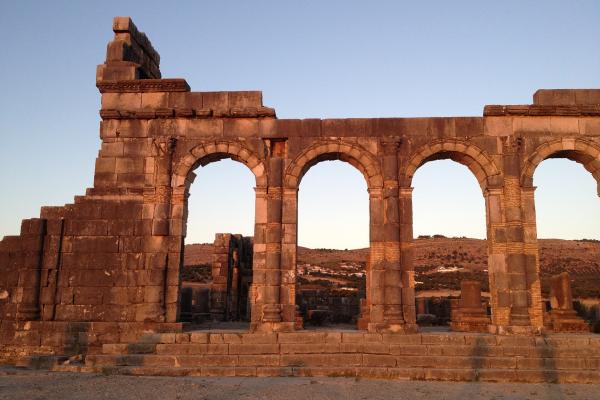
The public centre of the city is also readable. Visitors will recognise the Basilica, the Capitolium, a temple to Rome's chief gods, and the open forum with its worn paving. The Arch of Caracalla, dedicated in the early third century, still rises over the main street and is the most photographed structure at Volubilis. Reconstructed in the twentieth century, the arch and several columns give the visitor a sense of scale that the lower walls cannot supply on their own. The site was inscribed by UNESCO as a World Heritage listing in 1997.
Practical advice is simple. There is almost no shade, so a hat, water and good shoes matter, and spring and autumn are more comfortable than midsummer. Guides at the gate can explain the layout and the stories behind the houses. After the Romans left, the town was never entirely abandoned, and the founder of the Idrisid dynasty is said to have settled in the area. Nearby Moulay Idriss Zerhoun, a hillside town visible from the ruins, is named after him and makes a natural second stop.
The Roman Empire’s outer reach in Morocco is hard to picture without a place like this, and the low light of early morning or late afternoon is the best time for photographs and for quiet. It suits history enthusiasts and families, and it is an easy day trip from Meknes or Fez, often combined with the imperial monuments of Meknes.
Categories
More photos coming soon
Hours & Fees
- Open
- Daily 8:30am-5:30pm
- Admission
- 70 MAD adults; free for Moroccan nationals on Fridays.
Hours and prices change, especially out of season. Check with the venue before you go.
Nearby Attractions
Other places to visit in Meknes
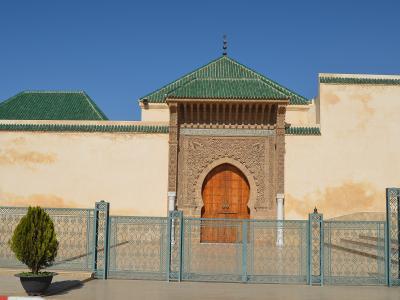
Mausoleum of Moulay Ismail
18th-century mausoleum of Morocco's longest-reigning sultan
History & Heritage · Cemeteries
Royal Stables (Haras Royal)
17th-century Alawite ruins housing 12,000 horses
History & Heritage · Urban Exploration
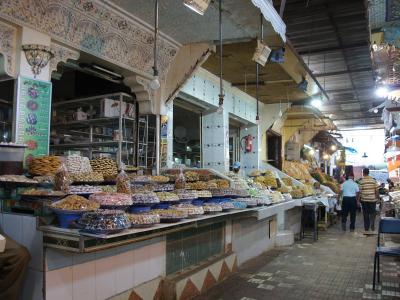
Medina of Meknes
UNESCO site and former capital with monumental gates
Cultural Experiences · History & Heritage
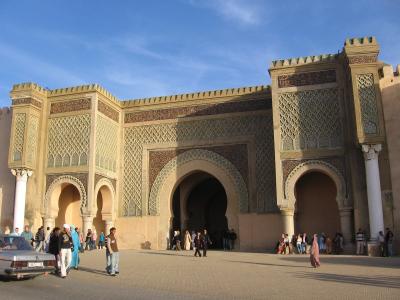
Bab Mansour al-Alou
Morocco's largest monumental ceremonial gate
Cultural Experiences · History & Heritage
Questions people ask
Quick Facts
70 MAD adults
Free for Moroccan nationals on Fridays.
Best Time to Visit
Visit in spring or autumn for mild weather ideal for exploring ruins and the medina.