







- Where
- Taroudant, Souss-Massa
- Directions
- Directions
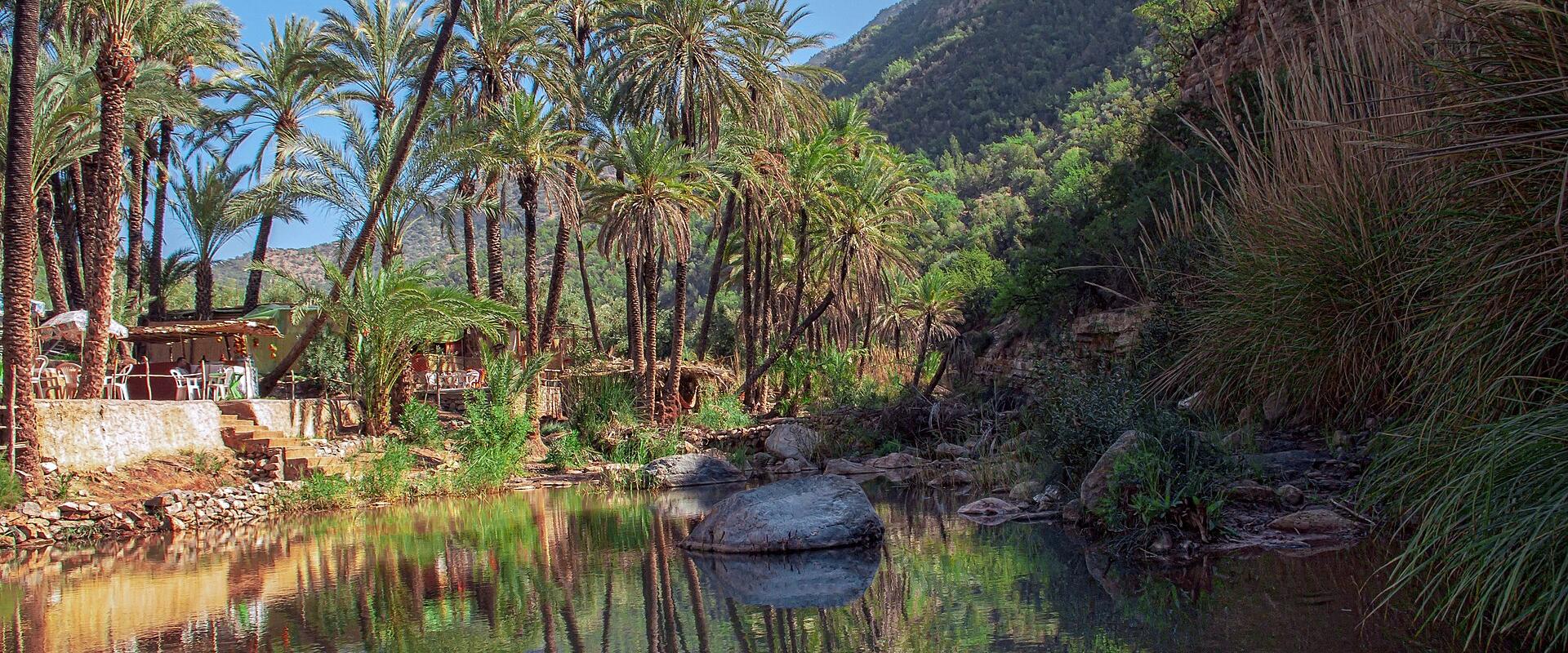
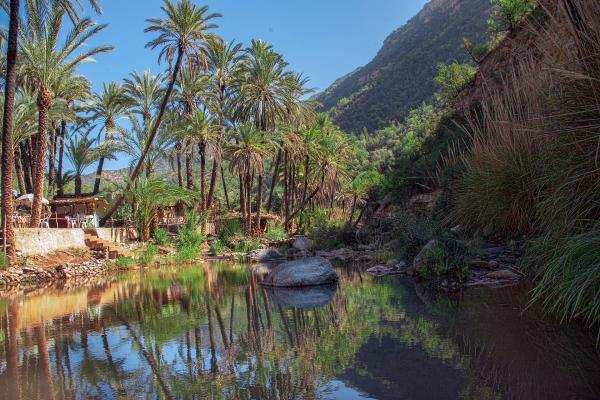
The Souss Valley is the broad, fertile plain of southwestern Morocco that lies between the High Atlas to the north and the Anti-Atlas to the south, running from the mountains toward the Atlantic near Agadir. Its walled city, Taroudant, sits on the plain about eighty kilometres from the coast, and the town is often called Little Marrakech because of its red-ochre ramparts and its role as a regional trading centre. The valley is the setting for the town, and understanding it helps explain why the town grew where it did.
The Souss is one of Morocco's main agricultural regions. The climate is warm and mostly dry, but water from the surrounding mountains and from underground sources supports large areas of citrus, vegetables grown under plastic, bananas, olives and argan trees, the thorny species that grows naturally in the south west and is famous for its oil. In spring, the fields are green against the pale hills, and in the villages the pace of life follows the farming year. The local language is Tashelhit, spoken by Berber communities who have lived in the valley for a very long time, and their traditions of cooperation in water and farming remain strong.
Taroudant itself is the main reason to visit. Its ramparts, several kilometres in length, are made of rammed earth and enclose a lively medina with two main squares, Place Assarag and the area near Souk El Had, as well as workshops that sell carpets, silver, leather and pottery. The town has had an important role since the early sixteenth century, when it served as the base of the Saadian dynasty before it took Marrakech. Walking or riding in a horse-drawn carriage along the walls at sunset gives the best sense of the scale and colour of the defences.
Beyond the city, there are drives and walks through the countryside. Argan cooperatives, run largely by women, show how the nuts are cracked, ground and pressed, and roadside stalls sell oil, almonds and honey. Villages in the foothills of the Atlas and Anti-Atlas can be reached by car and offer a more rural view of life in the valley. Visitors should respect farming land, ask before photographing people and check the weather, since summer heat can be intense.
The valley suits travellers who like slow, regional exploration and who want to see a part of Morocco that is more agricultural than monumental. It also works as a base for trips to the coast, to Tafraoute in the Anti-Atlas and to the mountain passes toward Marrakech.
More photos coming soon
Nearby Attractions
Other places to visit in Taroudant
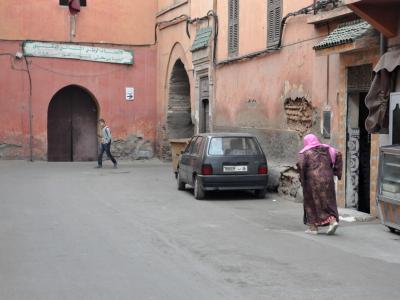
Mellah (Jewish Quarter)
Historic Jewish quarter within Taroudant's ramparts
Cultural Experiences · History & Heritage
Place Assarag
Central square with cafes and occasional snake charmers
Free City Centers · Markets
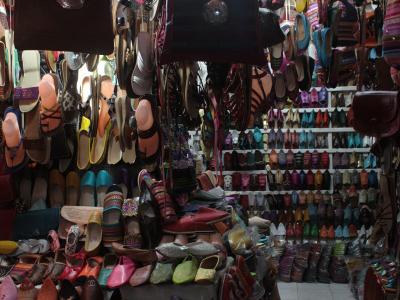
Souk El Had
Authentic local market for leather and spices
Free Local Crafts · Markets
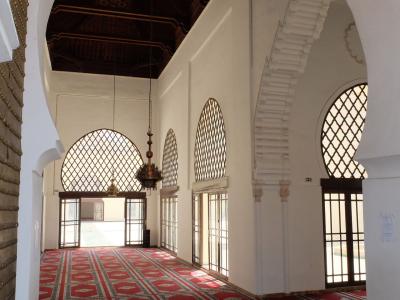
Kasbah of Taroudant
16th-century fortress with triple-arched gate
Cultural Experiences · History & Heritage
Questions people ask
Quick Facts
Best Time to Visit
Visit between March and May or September and November for mild temperatures and comfortable conditions for exploring.