
Taroudant
Historic walled city in Morocco's Souss Valley
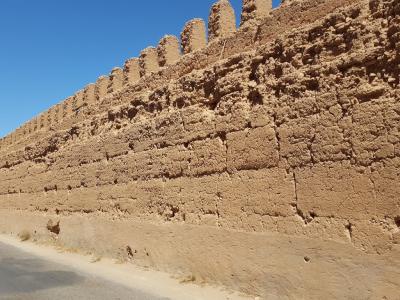
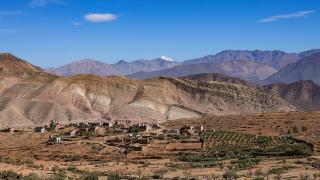
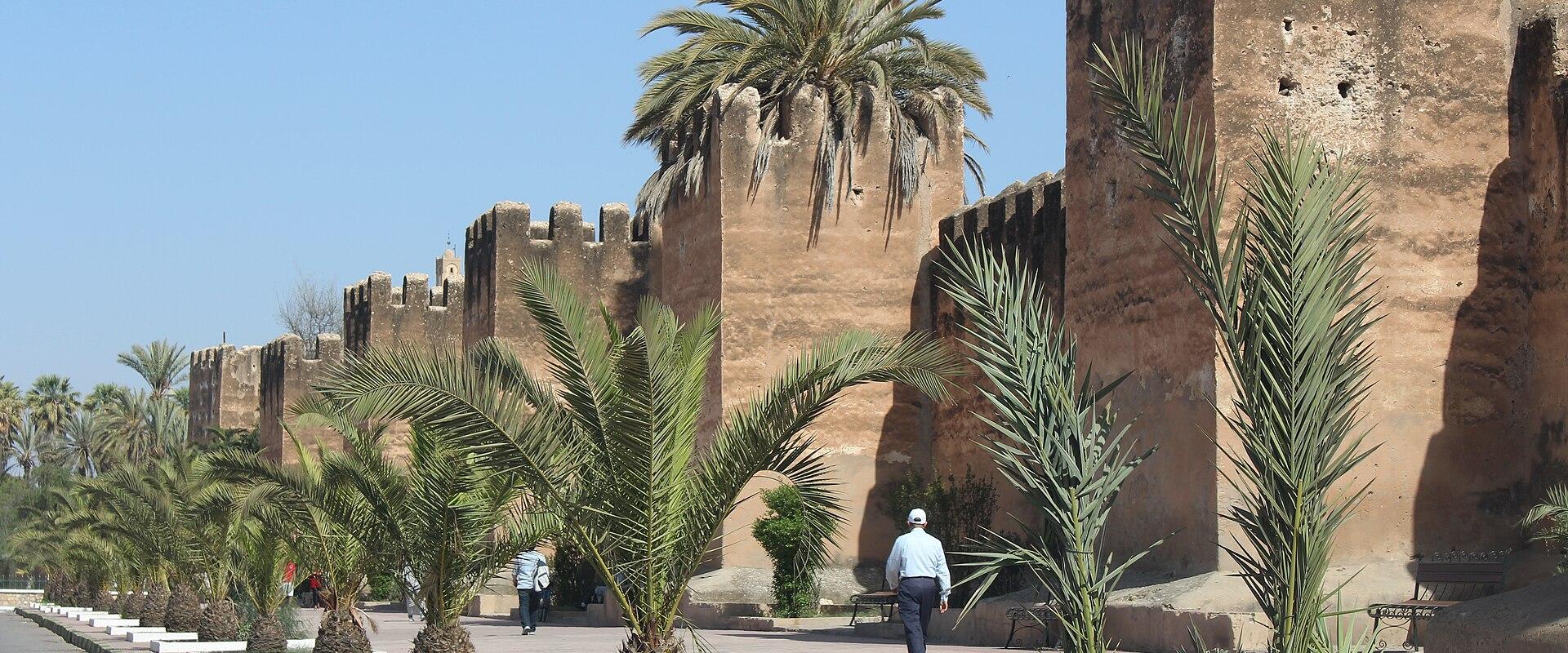
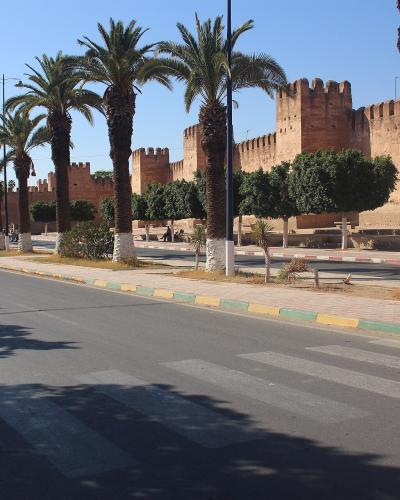
Taroudant, known as 'Little Marrakech,' is a historic walled city in the Souss Valley in southwestern Morocco. It lies between the High Atlas and Anti-Atlas mountains, and this position made it a crossroads for trade and culture for centuries. The city's most defining feature is its 16th-century ramparts, which encircle the medina and give a distinct view of the surrounding landscape. The Saadian dynasty made Taroudant its capital before conquering Marrakech, and the city later resisted rival powers for periods of its history. These walls, once a symbol of power and independence, now make a peaceful promenade where visitors can walk, cycle or ride in a carriage and enjoy views of the fertile valley.
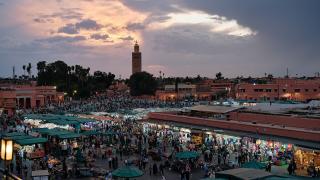
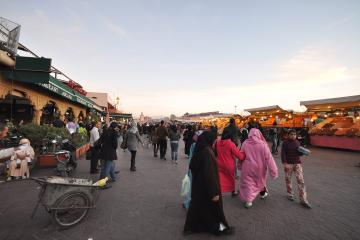
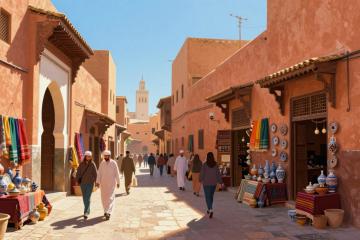
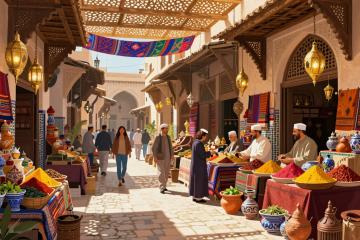
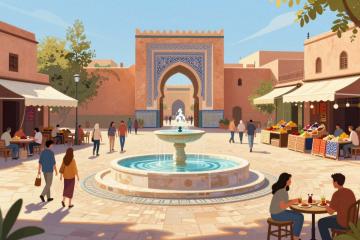
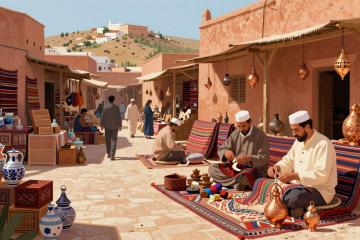
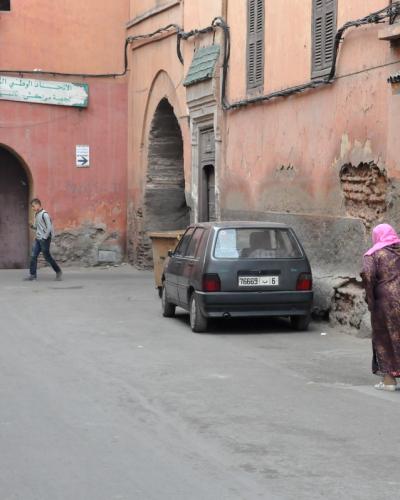
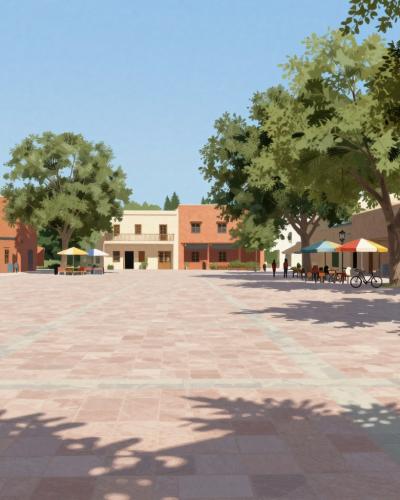
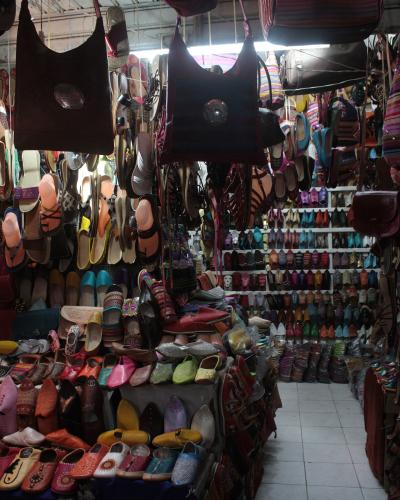
The medina is a maze of narrow streets and alleys, each giving a glimpse of daily life. The souks are lively, filled with the smells of spices, the colours of textiles and the sounds of bargaining. Visitors can find traditional crafts, such as leather goods, pottery and jewellery, made with techniques passed down through generations. The main square, Place Assarag, is the hub of the city, lined with cafés where residents gather in the evening. Taroudant has separate markets, such as the Berber souk, known for silver and carpets, and the Arab souk, which sells everyday goods. The Souk El Had, a weekly market, brings farmers and traders from the surrounding area. The central market is lively, with fresh produce such as dates, olives and citrus fruits, which are abundant in the region.
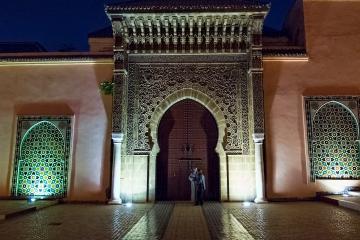
Beyond the medina, the city holds several landmarks, including the Kasbah, a fortified area that once housed local rulers. Although much of the Kasbah is in ruins, its walls and strategic position give insight into the city's past. The Mellah, or Jewish quarter, is a quiet, reflective contrast to the busy souks, and shows how different communities shared the town. Gates in the ramparts, including Bab El Kasbah and Bab Zorgane, are good places for photographs at sunset.
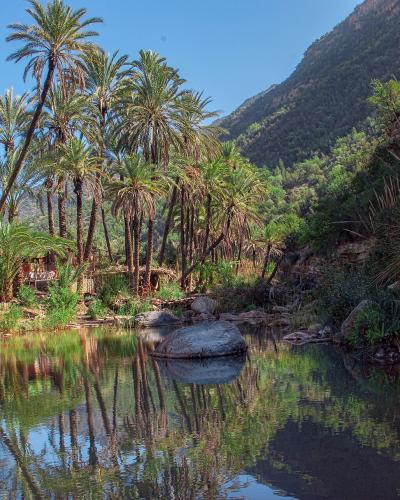
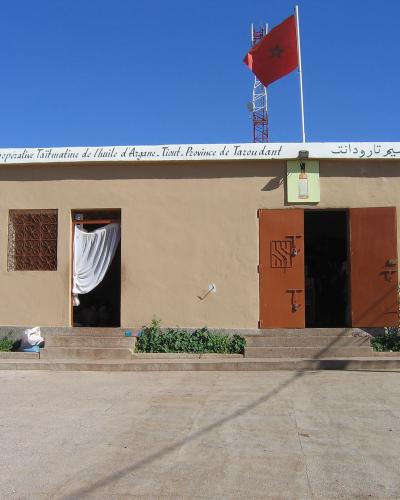
Visitors interested in nature can use Taroudant as a base for the Souss-Massa National Park, which lies toward the coast to the west. This protected area is home to a range of plants and animals, including the endangered Northern Bald Ibis. The park offers opportunities for birdwatching, hiking and cycling, and visitors can combine it with a trip to the beaches of the Atlantic coast. The Souss River, which flows through the valley, gives a contrast to the dry mountains, and its banks are lined with palm groves, orange orchards and olive trees. Argan cooperatives in the villages around Taroudant show how women crack and press argan nuts by hand to make oil, and visitors can taste local products.
Getting to Taroudant is simple, with regular bus services connecting it to major cities such as Marrakech, Agadir and Ouarzazate. The journey from Marrakech takes several hours, with views of the Atlas Mountains and the Souss Valley. For those driving, the city is well connected by road, with easy access to the A7 motorway. Accommodation options in Taroudant range from traditional riads to modern hotels, providing comfortable stays for visitors of different budgets. Many of these establishments are located within or near the medina, so guests experience the authentic atmosphere directly.
The best time to visit Taroudant is during the spring and autumn months, when the weather is mild and pleasant. Summers can be hot, while winters are cool, but the covered souks give shelter from sun and rain. Visitors with an interest in history, culture or nature will find the city a rewarding stop for a more authentic Moroccan stay.
Best Time to Visit
Visit between March and May or September and November for mild temperatures and comfortable conditions for exploring.
Did you know?
Interesting, verified facts about Taroudant
Taroudant's Walls Earned It the Nickname "Little Marrakech"
HistoryThe ramparts wrapping Taroudant's medina trace their current layout to the 16th century, when the Saadian dynasty — which rose to power in the nearby Sous valley and briefly made Taroudant its capital before Marrakech — fortified the city. Sources put the packed-earth circuit at six to eight kilometres around the old town, and its nine gates, five of them centuries-old originals, are still in everyday use. This intact ring of fortifications, echoing Marrakech's on a smaller scale, is why the town is often nicknamed "Little Marrakech."
Source: WikipediaPlan Your Visit to Taroudant
Essential travel tips and information for your trip to Taroudant.
Suggested Itineraries
One Day in Taroudant
1 dayPerfect for a quick visit. See the main highlights and get a taste of local culture.
Extended Taroudant Experience
2-3 daysComprehensive exploration including nearby attractions and cultural experiences.
Travel Tips
Currency
MAD • Cards widely accepted
Language
Moroccan • English in tourist areas
WiFi
Free WiFi in cafes and hotels
Explore Taroudant by Interest
Discover attractions and experiences in Taroudant organized by your interests and travel preferences.
All attractions in Taroudant
Sorted by our recommendation score
Quick Facts
Book your stay
Frequently Asked Questions
More destinations in Souss-Massa
Explore other amazing places in the Souss-Massa region