


The Azure Threshold: Stepping Into a Living Museum
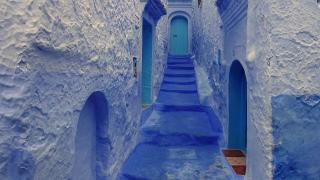
The cobalt hue clinging to Chefchaouen’s medina walls is often dismissed as mere aesthetic preference, yet it serves as a profound visual testament to the city’s complex Jewish heritage. Crossing the threshold of a restored riad, such as the historic Dar Laman, the frenetic energy of the souk dissolves into a curated silence. Water trickles over intricate zellige tiles, providing a rhythmic counterpoint to the stillness. Local artisans have meticulously maintained these structures, weaving Andalusian elegance and Berber resilience into a cohesive architectural whole.
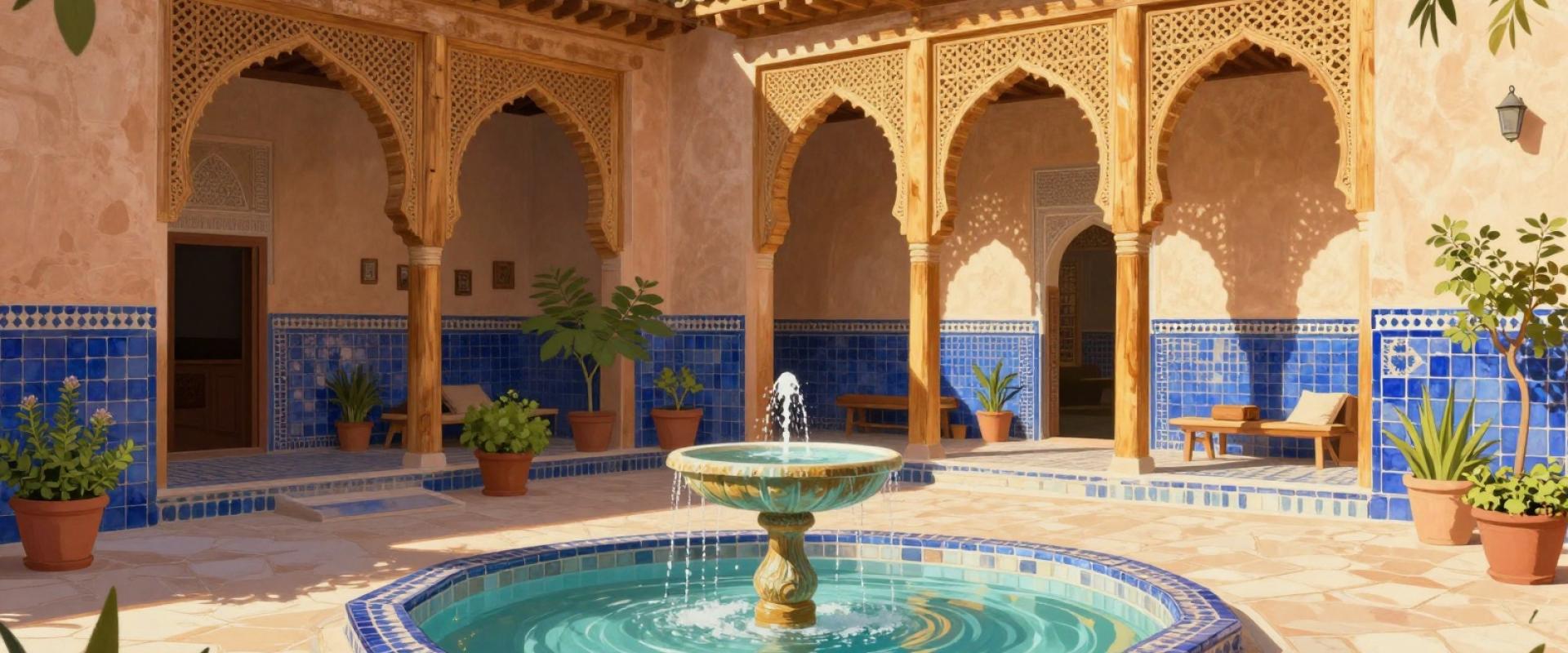
At the center of this sanctuary lies an open-air courtyard, functioning simultaneously as a thermal regulator and a spiritual anchor. Sunlight filters down into the deep interior, while the air carries the subtle, resinous scent of cedarwood. Hand-carved plasterwork displays geometric precision that demands closer inspection, revealing layers of patience often missed by hurried eyes. Modern distractions recede, replaced by a tangible history that feels immediate rather than distant.
Layers of paint applied over decades speak to continuity. Time slows here, inviting a deeper appreciation for domestic craftsmanship. Resting within such preserved spaces feels less like a hotel stay and more like a rare privilege. The experience transcends simple accommodation, offering instead a deep immersion into a way of life that has endured centuries of change.
The exterior of a Chefchaouen riad promises anonymity, a necessary shield against the chaotic medina streets. Inside, however, the space transforms into a warm, communal haven. This architectural paradox respects Berber traditions of privacy, keeping family life separate from public view while maximizing communal intimacy. Authenticity reveals itself in the details: look closely at the carved cedar wood and the intricate geometry of the zellige tilework. These elements signal genuine craftsmanship, distinct from modern imitation. Dar Laman in the old town exemplifies this heritage, with its authentic Berber art and rooftop views offering a tangible link to local history.
The central courtyard acts as the home’s heart. It channels cool air and natural light into surrounding rooms, fostering an environment designed for reflection. Shadow and light play across the enclosed garden, inviting a slower pace of life. Guests often share mint tea and conversation here, finding intimacy in the shared silence. Choosing a riad with these traditional features supports local artisans and preserves the city’s unique aesthetic. How might one appreciate the depth of Moroccan hospitality when removed from the public gaze? Exploring these private sanctuaries offers a respectful immersion into the daily rhythms of Berber life.
You will find that the true essence of Chefchaouen resides not in its blue walls, but in the quiet dignity of its homes. The sensory experience defines the stay. Listen to the distant call to prayer mingling with the murmur of the market. Smell the spices drifting from nearby kitchens. Taste the sharpness of fresh mint. These details ground you in the present moment, connecting you to the living history of the city. This is where the real story unfolds.
Saffron and Sunrise: The Ritual of Morning Hospitality
Azure dawn light spills over Chefchaouen’s medina, highlighting the sharp angles of Zellige tiles on nearby Berber homes. You step onto a rooftop terrace where the crisp air of the Rif Mountains clashes gently with the rising sun. A silver tray arrives, heavy with the scent of fresh mint and toasted almonds. Why begin the day with anything less than this sacred ritual?
The host pours tea from a height, creating a frothy crown known as 'the beard.' This gesture of respect has endured since Andalusian times. Breakfast follows, featuring baghrir—those thousand-hole pancakes—drizzled with local honey and accompanied by preserves made from the region’s abundant figs. This is not merely sustenance; it is a connection to centuries of Amazigh tradition. The hospitality offered here transcends transactional service; it is an invitation into the domestic heart of Morocco.
As you savor the savory msemen, you realize that staying in a riad is less about lodging and more about participating in a living history. The blue walls fade into the background, leaving only the profound warmth of human connection. Will you accept this invitation to slow down and truly taste the morning?
The azure walls of Chefchaouen’s medina, often photographed near Dar Laman, do more than please the eye. They signal a complex historical blend. Traditional riads offer a window into this Andalusian-Berber legacy through intricate Zellige tilework and carved cedar doors. Your stay transforms you from a mere visitor into a temporary guardian of this space. Every courtyard holds centuries of embedded craftsmanship. This experience transcends simple accommodation; it is a deep dive into a living archive of Arab, Berber, and Spanish influences.
Consider how your own background might echo in these ancient geometric patterns. Respectful engagement with local culture helps maintain the fragile balance between tradition and modernity. True value emerges from understanding, not just observing. You begin to hear the faint hum of daily life behind those heavy wooden gates. The scent of mint tea might drift from a neighboring kitchen. These sensory details ground you in the present moment. They connect you to the people who keep these traditions alive.
This immersion requires active participation. It asks you to listen to the call to prayer mingling with market noise. It invites you to taste the specific spices used in local stews. Such experiences reveal the human stories behind the architecture. They show that heritage is not static. It breathes, changes, and adapts. By paying attention to these nuances, you honor the artisans who built this place. You contribute to a sustainable future for this unique environment. The goal is connection, not consumption.