
Why Scale North Africa’s Roof?
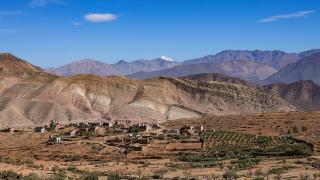
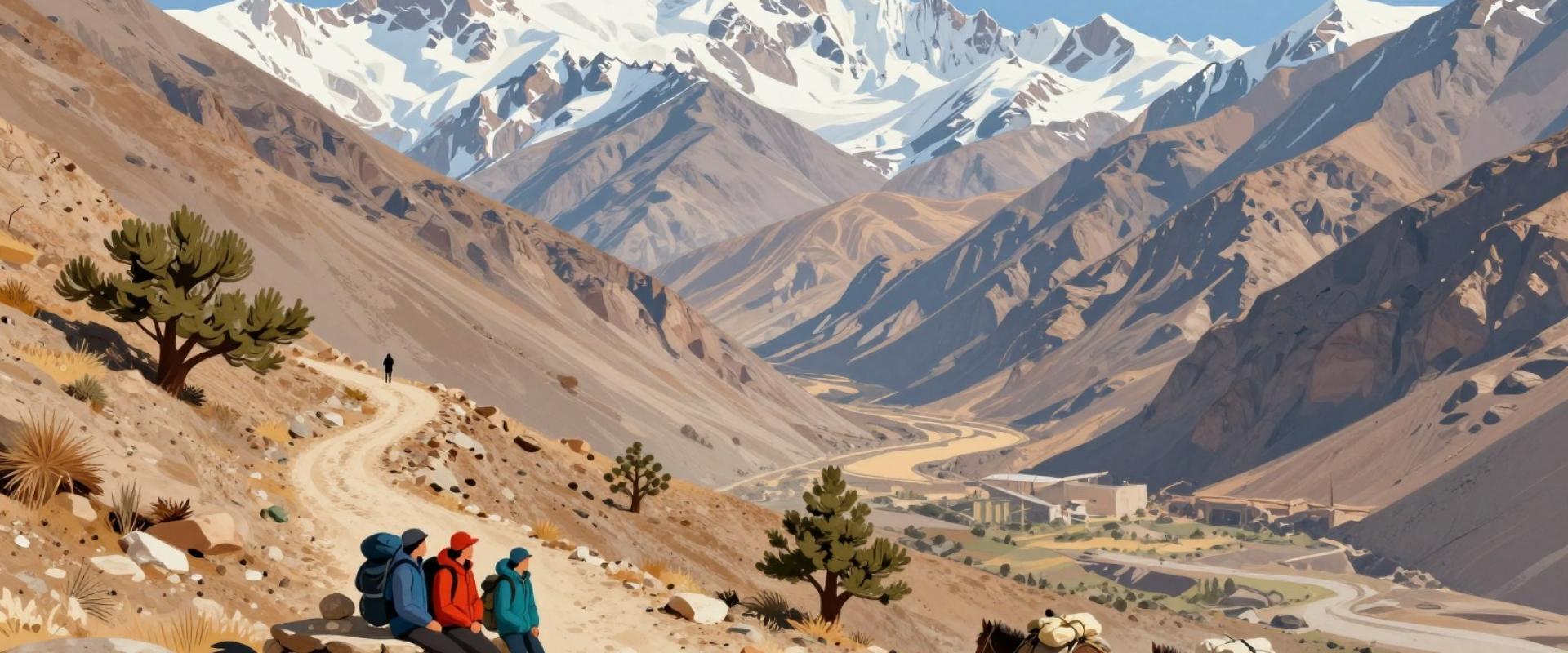
Toubkal dominates the High Atlas skyline, a jagged peak rising to 4,167 meters that casts long shadows over the surrounding valleys. Most journeys begin in Imlil, a vibrant Berber village that serves as the bustling gateway to the mountains. While regulations may fluctuate, hiring a licensed local guide is the standard and safest approach. This decision does more than ensure safety on rugged, unpredictable terrain; it channels your spending directly into local households, supporting the community that maintains these paths.
The route presents a manageable challenge, striking a rare balance between adventure and accessibility for parents and children. You will trade the hum of city traffic for the rhythmic crunch of gravel underfoot and the sharp, herbal scent of wild thyme rising from the dry earth. Families gain access to genuine cultural exchanges without the extreme intensity of high-alpine mountaineering. It is an experience that feels substantial, offering younger legs a sense of accomplishment without overwhelming them.
Acclimatization occurs gradually, allowing the body to adjust naturally as the landscape shifts from lush green valleys to stark, rocky summits. This progression gives parents the opportunity to monitor their children’s energy levels with confidence, rather than anxiety. The climb balances physical exertion with breathtaking vistas, creating memories that linger long after the descent.
Choosing Your Pace and Path
Your itinerary depends largely on two variables: the time you have available and your family’s current fitness baseline. Seasoned hikers seeking a quick summit often opt for a two-day sprint, but for most families, the three-day route offers the ideal equilibrium. This pace allows children to keep up without succumbing to exhaustion. While a four-day trek permits deeper exploration of remote Berber hamlets, we generally recommend the three-day option. It provides sufficient time for proper acclimatization, transforming a potentially stressful rush into a relaxed exploration where the scenery remains the undisputed highlight.
Packing light is essential, but never underestimate the chill that settles in once the sun dips below the horizon. Warm layers are non-negotiable for the nights. Local guides in Imlil are experts at adjusting schedules on the fly, ensuring the group stays comfortable and engaged. This flexibility turns the climb into a safe, memorable adventure defined by fresh mountain air and genuine hospitality, rather than rigid adherence to a clock.
Weather Windows and Gear Essentials
Summer brings the most stable high-altitude conditions, making it the safest window for tackling peaks above 4,000 meters. In contrast, spring and autumn offer milder climates that are ideal for winding through the valley trails near Imlil, though weather can be unpredictable.
An insulated sleeping bag rated for sub-zero temperatures is critical; despite the warmth of the daytime sun, nights in the high Atlas can drop dramatically. Trekking poles become indispensable tools when navigating the steep, loose scree that characterizes the descents. They reduce strain on knees and provide stability on unstable ground.
Dress in layers to adapt to the rapid temperature swings typical of the region. This strategic preparation transforms a potentially stressful ordeal into a relaxed experience. Proper gear ensures that discomfort stays outside the tent, leaving you free to enjoy the profound silence of the mountains.
Teahouses vs. Camping: Where to Rest
Choosing between teahouses and camping hinges on the kind of experience you crave. Teahouses offer a warm, communal vibe with hot meals prepared by local hosts, providing a sense of connection. Camping grants you solitude and privacy but requires you to haul all your own gear, including tents and cooking equipment.
If you opt for camping, especially in areas where water sources are sparse, you must pack enough supplies to stay hydrated. This simple precaution keeps you safe and comfortable throughout your journey. Always verify water availability with your guide before committing to a camping spot.
The decision ultimately rests on your preference for social interaction versus private space. Some trekkers love the chatter of shared dining rooms and the stories shared over mint tea. Others prefer the quiet rustle of pine needles under their tent. Both options provide a safe haven, provided you plan ahead and respect the environment.
Final Preparations for Your Ascent
Build physical resilience by incorporating weighted pack walks into your cardio routine. This specific conditioning pays dividends when the trail steepens near the higher camps. It prepares your muscles for the sustained effort required on the final ascent.
Secure travel insurance that explicitly covers high-altitude trekking. Standard policies often exclude emergencies above 3,000 meters, so verify the details with your provider before you depart.
Listen intently to your body’s signals. If headaches persist or breathing becomes labored, descend immediately rather than pushing through discomfort. Altitude sickness is no joke, and respecting your limits is the mark of a seasoned traveler.
The High Atlas Mountains offer a profound, rewarding experience for those who prepare with care. By combining proper gear, realistic pacing, and respect for the terrain, you unlock an adventure that is as safe as it is unforgettable.