







Colline des Potiers
Hill of 2,000 artisans crafting traditional Moroccan cera...
- Admission
- Free admission
- Hours
- Daily 9:00 AM to 6:00 PM, closed Sundays
- Where
- Safi, Marrakech-Safi
- Directions
- Directions
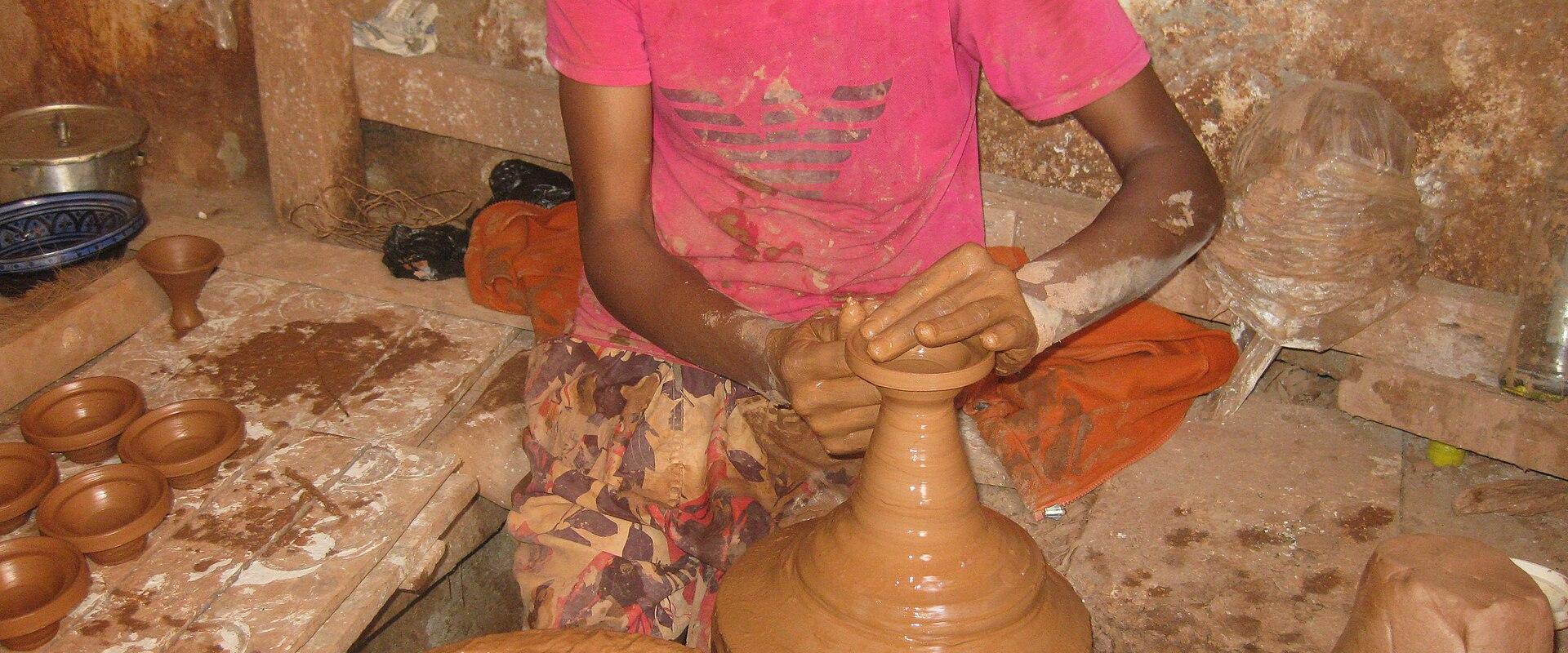
The Colline des Potiers, the Potters' Hill, is a district of ceramic workshops on a slope above Safi, the Atlantic port in western Morocco, and it is one of the best places in the country to see pottery made in bulk by traditional methods. Safi has been known for its pottery for centuries, and the craft is part of the city's identity as much as its fishing and its sardines. The hill is lined with workshops, kilns and showrooms, and on a working day the air is filled with the sound of wheels, the smell of wood smoke and the sight of potters shaping clay in open-fronted rooms.
The district's history is closely linked with the city. Safi was an important trading port from medieval times, and later passed through Portuguese hands in the early sixteenth century, which left a sea fortress, now a museum, and an imprint on local culture. The pottery tradition is thought to draw on several sources, including indigenous Amazigh practices and the influence of Andalusian craftsmen who settled in the region after leaving Spain, and over time potters developed a regional repertoire of shapes and decoration. Glazes in green, blue, yellow and white are typical, and designs often use geometric motifs, floral patterns and calligraphy.
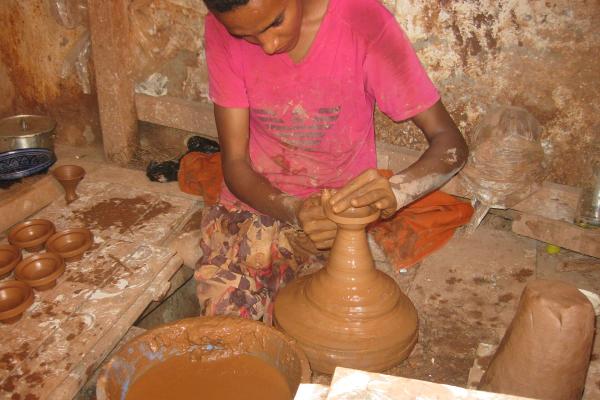
A visit is mostly a matter of wandering. A path leads uphill past workshops where potters throw bowls, plates, tagines and large jars, each stage visible from the road. Other workshops specialise in glazing, painting designs with fine brushes or firing in large kilns. Showrooms along the way sell the finished pieces, from simple cooking pots to elaborate decorative platters and tiles, and prices are lower than in the tourist cities. Quality varies, so compare pieces, check for cracks and ask what is handmade and what is moulded, and bargain politely. Visitors can often try the wheel under a potter's guidance.
Practical advice is to go on a weekday morning, when the workshops are busiest, since some close on Sundays and in the afternoon. Wear comfortable shoes, as paths are uneven and dusty, and take care around kilns and hot ovens. Ask permission before photographing potters and before entering workshops, and treat them as places of work. Packing pottery for travel needs care, and many shops will wrap and ship larger purchases.
There is no entrance fee, and a visit takes about an hour or two. The hill suits craft lovers, photographers and anyone interested in how things are made, and it combines naturally with a visit to the old medina of Safi, the sea castle and the harbour. It is a good stop on the Atlantic coast road between Casablanca and Essaouira, and a good reminder that Moroccan ceramics are a living industry as well as a heritage.
Categories
More photos coming soon
Hours & Fees
- Open
- Daily 9:00 AM to 6:00 PM, closed Sundays
- Admission
- Free admission
Hours and prices change, especially out of season. Check with the venue before you go.
Nearby Attractions
Closest attractions by distance
Skala de la Ville
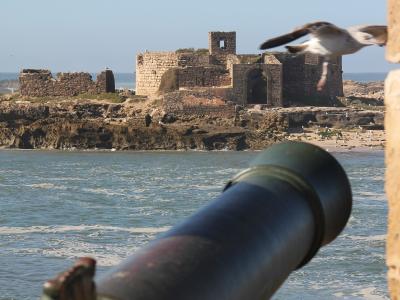
18th-century ramparts in Essaouira Medina, Morocco
History & Heritage · Natural Wonders
Medina of Essaouira
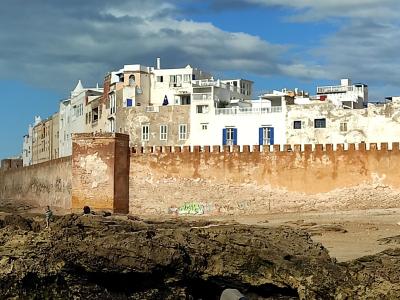
UNESCO-listed fortified medina on Morocco's Atlantic coast
Cultural Experiences · History & Heritage
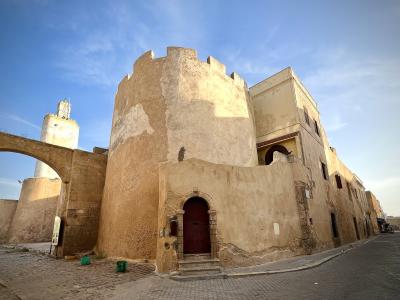
Cité Portugaise
UNESCO-listed 16th-century Portuguese fort in El Jadida
History & Heritage · Urban Exploration
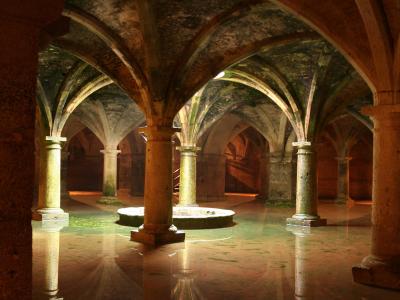
Portuguese Cistern
16th-century Portuguese vaulted water reservoir
History & Heritage · Urban Exploration
Imouzzer Waterfalls
White waterfalls on a High Atlas limestone plateau
Natural Wonders · Hiking
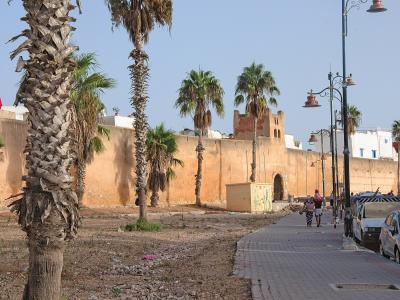
Azemmour Medina
16th-century Portuguese ramparts and street art
Cultural Experiences · History & Heritage
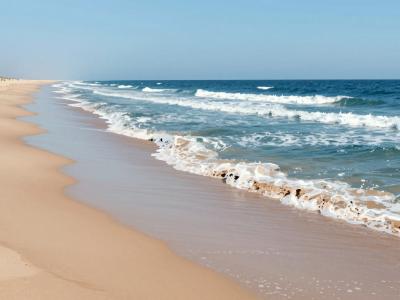
Sidi Bouzid Beach
Coastal beach near El Jadida, Morocco
Free Coastal & Maritime
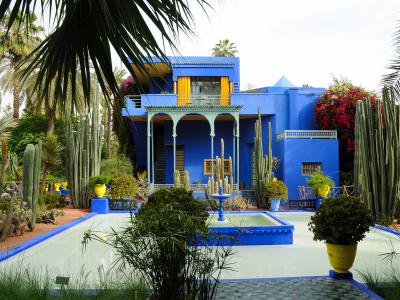
Majorelle Garden
Botanical garden with iconic cobalt blue villa
From MAD 170 Architecture · Gardens
Questions people ask
Quick Facts
Best Time to Visit
Visit in spring or autumn for mild temperatures ideal for exploring the medina and coastal areas comfortably.