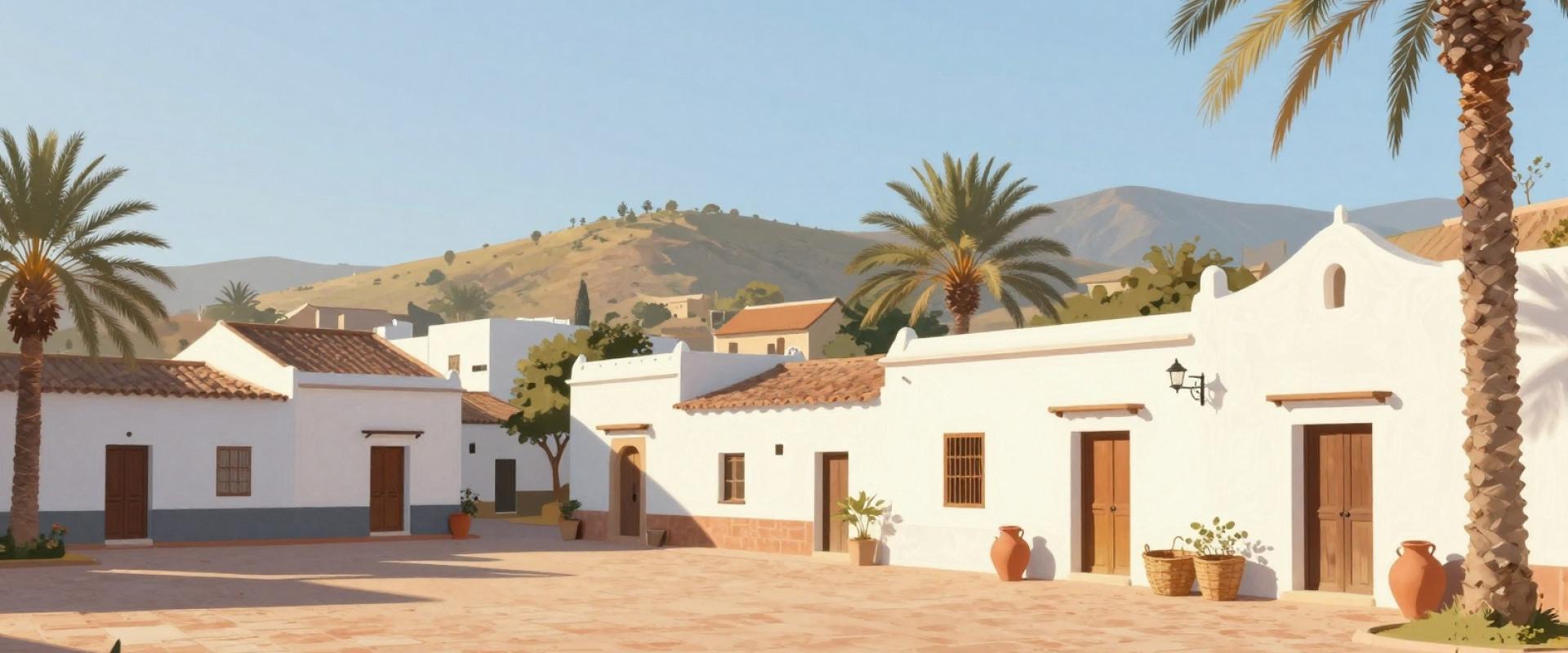
AI-generated illustration
Discovering Sidi Bouzid
1-day general exploration of Sidi Bouzid
1 day
•
Easy difficulty
•
Est. MAD 33
Day 1: Historic Center and Oasis Exploration
A comprehensive day exploring the heart of Sidi Bouzid, focusing on the historic medina, the central square, and the surrounding oasis gardens. This itinerary highlights the cultural and historical significance of the city, known as the birthplace of the Tunisian Revolution.
-
09:00
Visit the Sidi Bouzid Museum
Start your day at the local museum to understand the history of the region, including its role in the 2010-2011 revolution. The museum houses artifacts, photographs, and documents detailing the local heritage.
-
10:15
Explore Place du Marché (Central Square)
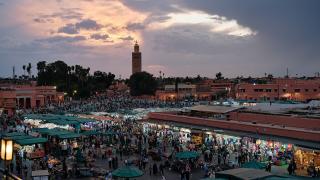
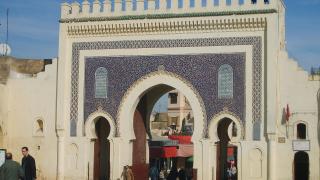
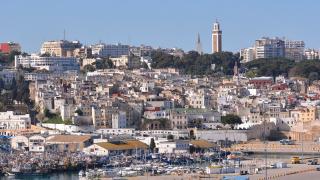
Walk to the bustling central square, the heart of the city. Observe daily life, local commerce, and the architecture of the surrounding buildings. This is a great spot for people-watching and soaking in the local atmosphere.
-
11:45
Visit the Mosque of Sidi Bouzid
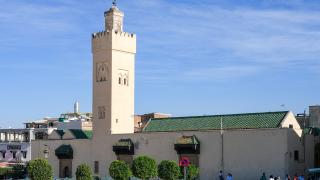
Explore the main mosque in the city center. While non-Muslims may not be able to enter the prayer hall, the exterior architecture and the surrounding square offer a glimpse into the religious and social life of the community.
-
13:00
Lunch at a Local Eatery
Enjoy a traditional Tunisian lunch. Try local dishes such as couscous, brik (a fried pastry with egg), or grilled meats. Look for busy local spots near the market for the most authentic experience.
-
14:30
Stroll through the Oasis Gardens
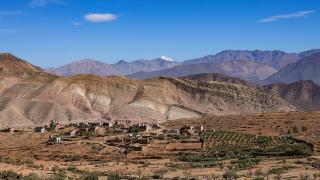
Take a relaxing walk through the palm groves and oasis gardens on the outskirts of the city. This green space provides a stark contrast to the arid landscape and offers a peaceful environment to relax and enjoy nature.
-
16:30
Browse the Local Souk
Spend the late afternoon browsing the local souk. Purchase souvenirs such as dates, olives, spices, or traditional crafts. This is a great place to interact with locals and practice bargaining.
Meals:
Lunch at Central Market Area , Snack at Local Cafe near Souk
Where to stay: Sidi Bouzid is a small city with limited luxury accommodation. Consider staying in a local guesthouse (riad) or a mid-range hotel in the city center. Options are modest but provide a genuine local experience.
Getting around: The city center is compact and walkable. For attractions like the oasis, a short taxi ride or a walk is sufficient. Taxis are affordable within the city.
Practical Information
Sidi Bouzid is a historic town in central Morocco, distinct from the coastal tourist hubs like Sidi Bou Said or Sidi Ifni. It serves as a cultural and administrative center in the Bouregreg Valley, offering a glimpse into traditional Moroccan life away from the main tourist trails. The best time to visit is during the spring (March to May) or autumn (September to November) when temperatures are mild, ranging from 15°C to 25°C. Summer months can be extremely hot, with temperatures often exceeding 40°C, making outdoor exploration uncomfortable. Winter brings cooler weather and occasional rain, so checking local forecasts is advisable.
Reaching Sidi Bouzid requires planning, as it is not a primary international destination. The most practical approach is to fly into Casablanca (CMN) or Marrakech (RAK) and take a domestic flight or a long-distance bus to the nearest major city, such as Rabat or Fez, followed by a regional train or bus connection. Once in the area, public transportation is limited, so hiring a local taxi or arranging a private driver is recommended for day trips. Walking is feasible within the town center, but distances to surrounding historical sites may require motorized transport.
Accommodation options in Sidi Bouzid are modest, focusing on local hotels and guesthouses rather than luxury resorts. Staying in the town center provides easy access to local markets and restaurants. Budget considerations should reflect this; costs are generally lower than in major tourist cities, but services may be less standardized. Travelers should carry cash (Moroccan Dirham) as card acceptance is limited outside larger establishments.
Pack lightweight, breathable clothing for warm days and a light jacket for cooler evenings. Comfortable walking shoes are essential for navigating cobblestone streets and historical sites. Bring a hat, sunscreen, and sunglasses, especially during sunny days. A reusable water bottle is crucial, as tap water is not recommended for drinking. Respect local customs by dressing modestly, particularly when visiting religious sites or rural areas. Learning basic Arabic or French phrases can enhance interactions, as English proficiency may be limited. Finally, be prepared for a slower pace of life and embrace the authentic, uncommercialized atmosphere of central Morocco.
Book your stay
More Itineraries
2 days
Asilah Cultural Heritage
2-day Asilah cultural heritage and coastal exploration
View Itinerary →