3-day itinerary
Extended Tetouan Experience
3-day cultural tour of Tetouan and Chefchaouen
- Length
- 3 days · 12 sights
- Pace
- Moderate
- Estimated cost
- MAD 130 per person
- Based in
- Tetouan
Day by day
-
Day 1: The UNESCO Medina & Andalusian Heritage
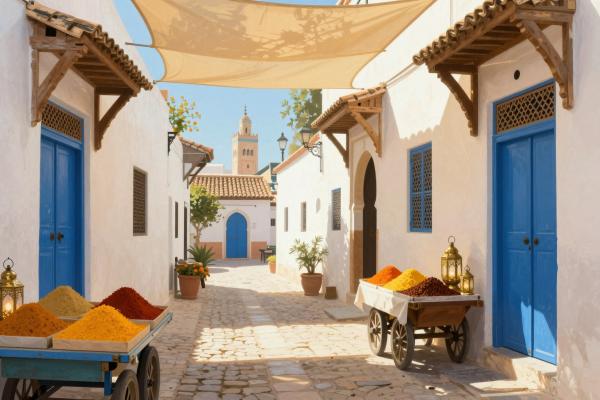
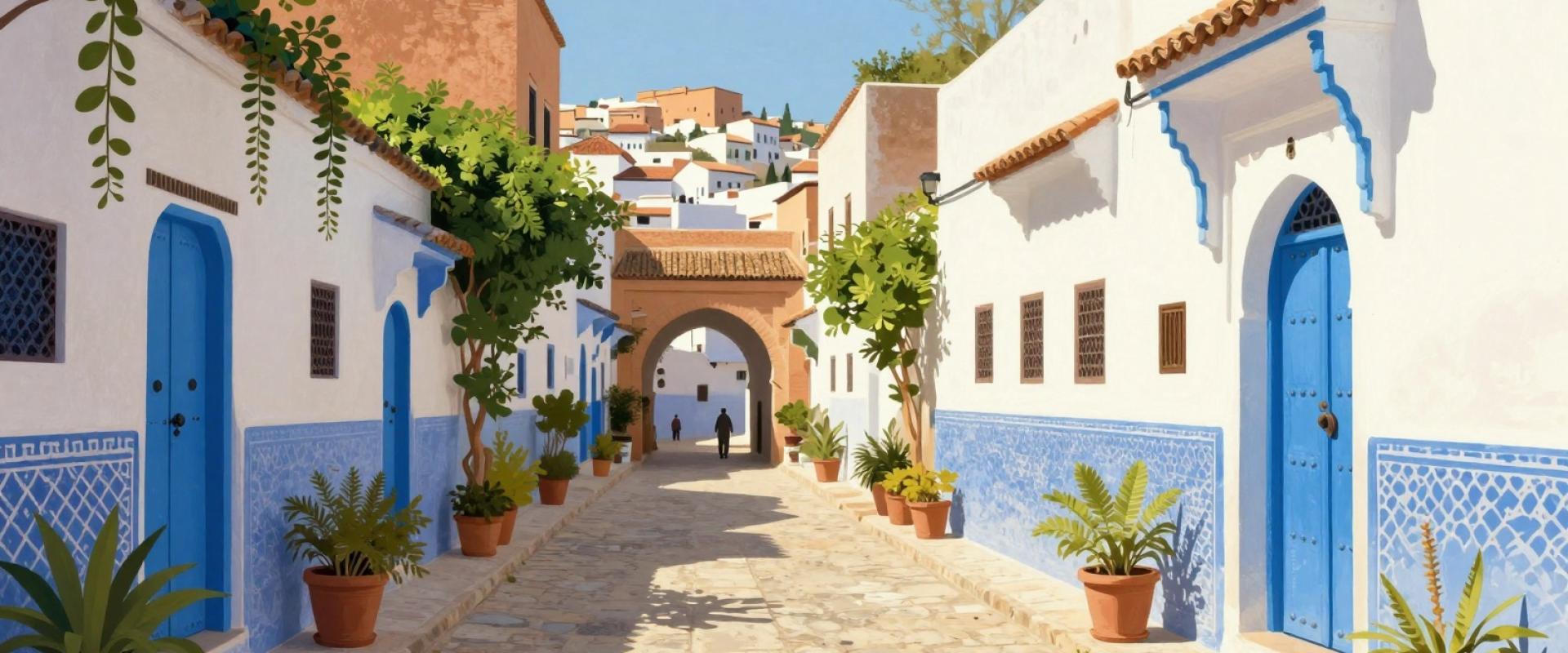
Immerse yourself in the heart of Tetouan's historic medina, exploring its white-washed streets, historic gates, and the intricate Souk El Attarine. Visit the Kasbah and Dar Naji to understand the city's Andalusian roots.
-
09:00
Morning Stroll through Tetouan Medina
Start your day walking through the UNESCO-listed medina. Admire the distinctive white and blue architecture and the blend of Andalusian and Moroccan styles.
About 60 min
-
10:00
Explore Souk El Attarine
Visit the famous silk souk with its tiled stalls. Browse for traditional textiles, spices, and local handicrafts in this vibrant market hub.
About 1.5 hours
-
11:30
Visit Bab el-Madine
Explore this historic Andalusian gate, a key entrance to the medina, offering a glimpse into the city's defensive architecture.
About 60 min
-
12:00
Tour Dar Naji
Step into this historic riad within the medina. Dar Naji serves as a cultural center and museum, showcasing traditional architecture and local art.
About 60 min
-
13:00
Visit the UNESCO World Heritage Kasbah, the oldest part of the city, which houses historical artifacts and offers a sense of the city's strategic past.
About 60 min
-
14:00
Lunch in the Medina
Enjoy a traditional Moroccan lunch at a local restaurant near the Kasbah or Souk, trying dishes like pastilla or tagine.
About 1.5 hours
-
15:30
Visit Dar Said Palace
Explore the historic Dar Said palace, now a cultural center, featuring beautiful gardens and exhibitions of Moroccan art.
About 60 min
-
16:30
Museum of Art and Popular Traditions
Learn about the Andalusian heritage and Moroccan folk traditions through exhibits of traditional clothing, jewelry, and household items.
About 60 min
-
17:30
Relax at Jardin de la Place Mohammed V
Unwind in the central public square garden, enjoying the atmosphere and people-watching in the heart of the city.
About 60 min
- Meals:
- Lunch at Medina Central
- Where to stay:
- Stay in a traditional Riad within the Medina for an authentic experience. Dar Naji or similar historic guesthouses are highly recommended.
- Getting around:
- The entire day is walkable within the Medina. No transport needed.
-
09:00
-
Day 2: Cultural Heights & Local Life
Experience Tetouan from above and delve deeper into its cultural fabric. Visit the viewpoint at Mount Aux Miroirs, explore historic squares, and enjoy the local café culture.
-
09:00
Mount Aux Miroirs (Mountain of Mirrors)
Take a short taxi or hike to this historic viewpoint for panoramic views of the Tetouan medina and the surrounding Rif Mountains.
About 60 min
-
10:00
Place Sidi Bou Abib
Visit this historic square, a hub of local life and history, often featuring traditional performances or community gatherings.
About 60 min
-
11:00
Deep Dive into the Medina Alleys
Explore lesser-known alleys and artisan workshops in the medina, observing traditional crafts like pottery and weaving.
About 1.5 hours
-
12:30
Lunch at a Local Café
Enjoy a light lunch or traditional mint tea and pastries at a café overlooking Place Mohammed V or a quiet alley.
About 1.5 hours
-
14:00
Revisit or Explore Museum Exhibits
Spend more time at the Museum of Art and Popular Traditions or visit the Ethnographic Museum if open, focusing on specific exhibits of interest.
About 2 hours
-
16:00
Afternoon Tea at the Garden
Relax in the Jardin de la Place Mohammed V, reading or sketching while enjoying the serene environment.
About 60 min
-
17:00
Dar Said Gardens and Art
If not visited on Day 1, explore the beautiful gardens and contemporary art exhibitions at Dar Said.
About 60 min
- Meals:
- Lunch at Near Place Mohammed V
- Where to stay:
- Same accommodation as Day 1.
- Getting around:
- Taxi recommended for Mount Aux Miroirs. Walking for the rest.
-
09:00
-
Day 3: Festivals, Final Souks & Departure Prep
Dedicate the final day to last-minute shopping, exploring any missed cultural sites, and experiencing the vibrant atmosphere of Tetouan's public spaces. Check if the Tetouan International Festival of World Cultures is active.
-
09:00
Take a final leisurely walk through the medina, visiting any artisan shops or historic doors you missed.
About 60 min
-
10:00
Souk Shopping & Haggling
Return to Souk El Attarine for final souvenir shopping. Haggling is expected; focus on silk, ceramics, and spices.
About 1.5 hours
-
11:30
Check Festival Events (If Active)
If visiting during the festival season (usually summer), attend a performance or exhibition at the festival venues. If not, visit the cultural center hosting related events.
About 60 min
-
12:30
Farewell Lunch
Enjoy a final traditional Moroccan meal, perhaps trying a different cuisine style available in Tetouan, such as Andalusian-influenced dishes.
About 1.5 hours
-
14:00
Place Sidi Bou Abib Visit
Visit the square one last time to see the local community life and perhaps catch a traditional music performance if available.
About 60 min
-
15:00
Final Relaxation at Place Mohammed V
Spend your last hour in Tetouan relaxing in the main garden, reflecting on your trip.
About 60 min
- Meals:
- Lunch at Medina Edge
- Where to stay:
- Check out from accommodation.
- Getting around:
- Taxi to/from airport or bus station recommended for departure.
-
09:00