

Tetouan Cultural Heritage
2-day UNESCO Andalusian medina and coastal heritage tour
2 days
•
Moderate difficulty
•
Est. MAD 80
Day 1: The UNESCO Medina and Andalusian Heritage
Immerse yourself in the white-washed streets of the Medina, a UNESCO World Heritage site known for its unique Andalusian influence. Explore the souks, visit historic palaces, and enjoy panoramic views from the mountains.
-
09:00
Morning Walk Through the Medina
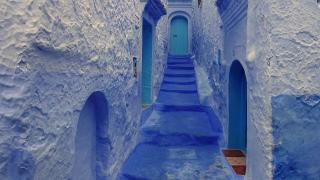
Start your day by wandering the narrow, labyrinthine streets of the Tetouan Medina. Admire the white-washed buildings, intricate tile work, and the blend of Moroccan and Andalusian architecture.
-
10:30
Souk El Attarine
Visit the famous silk souk, known for its beautiful tiled stalls and traditional Andalusian silk products. A perfect spot for photography and observing local craftsmanship.
-
11:40
Dar Naji
Explore this historic riad, a prime example of traditional Andalusian-Moorish architecture within the medina. It offers a quiet retreat and insight into historic domestic life.
-
12:40
Museum of Art and Popular Traditions
Learn about the region's rich heritage through exhibits showcasing Andalusian heritage, Moroccan folk traditions, and traditional crafts.
-
14:00
Traditional Lunch in the Medina
Enjoy a traditional Moroccan lunch at a local restaurant within the medina, trying dishes like pastilla or tagine.
-
15:15
The Kasbah of Tetouan
Visit the historic Kasbah, a UNESCO site that served as the administrative and military center of the city. Explore its gates and surrounding structures.
-
16:30
Dar Said Palace
Visit this historic palace in the medina, known for its elegant architecture and historical significance as a residence for notable figures.
-
17:30
Mount Aux Miroirs (Mountain of Mirrors)
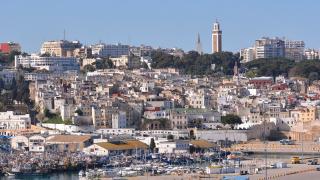
Take a short taxi or walk to this historic viewpoint for a breathtaking panoramic view of the Tetouan medina and the surrounding plains.
-
18:45
Place Sidi Bou Abib
End the day at this historic square, observing local life and the architectural details of the surrounding buildings.
Meals:
Lunch at Medina Local Restaurant
Where to stay: Stay in a traditional Riad within the Medina for an authentic experience, such as Dar Naji or similar boutique hotels.
Getting around: Walking is sufficient for most of the day. Use petit taxis for the trip to Mount Aux Miroirs.
Day 2: Gates, Gardens, and Local Culture
Discover the historic gates of the city, relax in central gardens, and explore the vibrant public squares. This day focuses on the social and architectural landmarks of Tetouan.
-
09:00
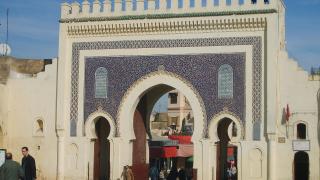
Bab el-Madine
Visit this historic Andalusian gate, one of the main entrances to the medina. Admire its intricate stonework and historical significance.
-
10:10
Jardin de la Place Mohammed V
Relax in this central public square garden, a green oasis in the heart of the city. It's a great spot for people-watching and enjoying the atmosphere.
-
11:30
Exploring the Outer Medina and Artisans
Wander through less crowded parts of the medina to find local artisans, pottery makers, and weavers. Engage with the local community and observe traditional crafts.
-
13:00
Lunch Near Place Mohammed V
Enjoy a light lunch or traditional snacks at a cafe near the central square.
-
14:30
Place Sidi Bou Abib Exploration
Return to Place Sidi Bou Abib to explore the surrounding historic buildings and shops in more detail, perhaps picking up souvenirs.
-
15:40
Dar Said Revisit or Nearby Exploration
If not visited on Day 1, explore Dar Said here. Alternatively, use this time to browse local shops and cafes in the vicinity.
-
16:55
Afternoon Tea and Relaxation
Spend the late afternoon enjoying mint tea at a traditional cafe, reflecting on the cultural experiences of the trip.
-
18:15
Cultural Context and Evening Stroll
While the festival is annual, visit the venues or cultural centers associated with the Tetouan International Festival of World Cultures to understand the city's role as a cultural hub. End with an evening stroll through the illuminated medina.
Meals:
Lunch at Cafe near Place Mohammed V
Where to stay: Continue staying in the Medina or consider a hotel in the Ville Nouvelle for a different perspective.
Getting around: Walking is the primary mode of transport. Taxis are available for longer distances if needed.
Practical Information
The optimal time to visit Tetouan is during spring (March to May) or autumn (September to November), when temperatures are mild and ideal for walking through the medina. Summer months can be excessively hot, while winter brings cooler temperatures and occasional rain. For transportation, Tetouan is accessible by train from Tangier or Rabat, with frequent bus services connecting it to major cities like Fes and Tangier. Once in the city, the medina is best explored on foot due to its narrow, pedestrian-only streets. For longer distances, petit taxis are affordable and widely available, though it is advisable to agree on a fare beforehand or ensure the meter is used.
Accommodation ranges from budget-friendly hostels to luxury riads. Staying within the medina offers an immersive cultural experience, allowing easy access to souks and historical sites, while areas outside the walls provide more modern amenities and easier vehicle access. When budgeting, expect moderate costs for lodging and food. Entry fees for museums and the Royal Palace are relatively low, but guided tours and private transportation will increase expenses. Meals at local eateries are inexpensive, whereas upscale restaurants in the city center command higher prices. Always carry local currency, as smaller vendors and markets may not accept credit cards.
Pack lightweight, breathable clothing for daytime exploration, along with a light jacket for cooler evenings. Comfortable, closed-toe walking shoes are essential for navigating the uneven, cobblestone streets of the medina. Bring a scarf for modesty when visiting religious sites and a hat for sun protection. A reusable water bottle is recommended to stay hydrated, though ensure the water is bottled.
Important tips include respecting local customs by dressing modestly, especially in the medina and near religious sites. Always ask permission before photographing people, particularly artisans and vendors. Bargaining is expected in souks; start at roughly half the asking price and negotiate politely. Be cautious of pickpockets in crowded areas. Finally, learn a few basic Arabic or French phrases, as English proficiency varies among locals, which will enhance your interactions and overall experience.