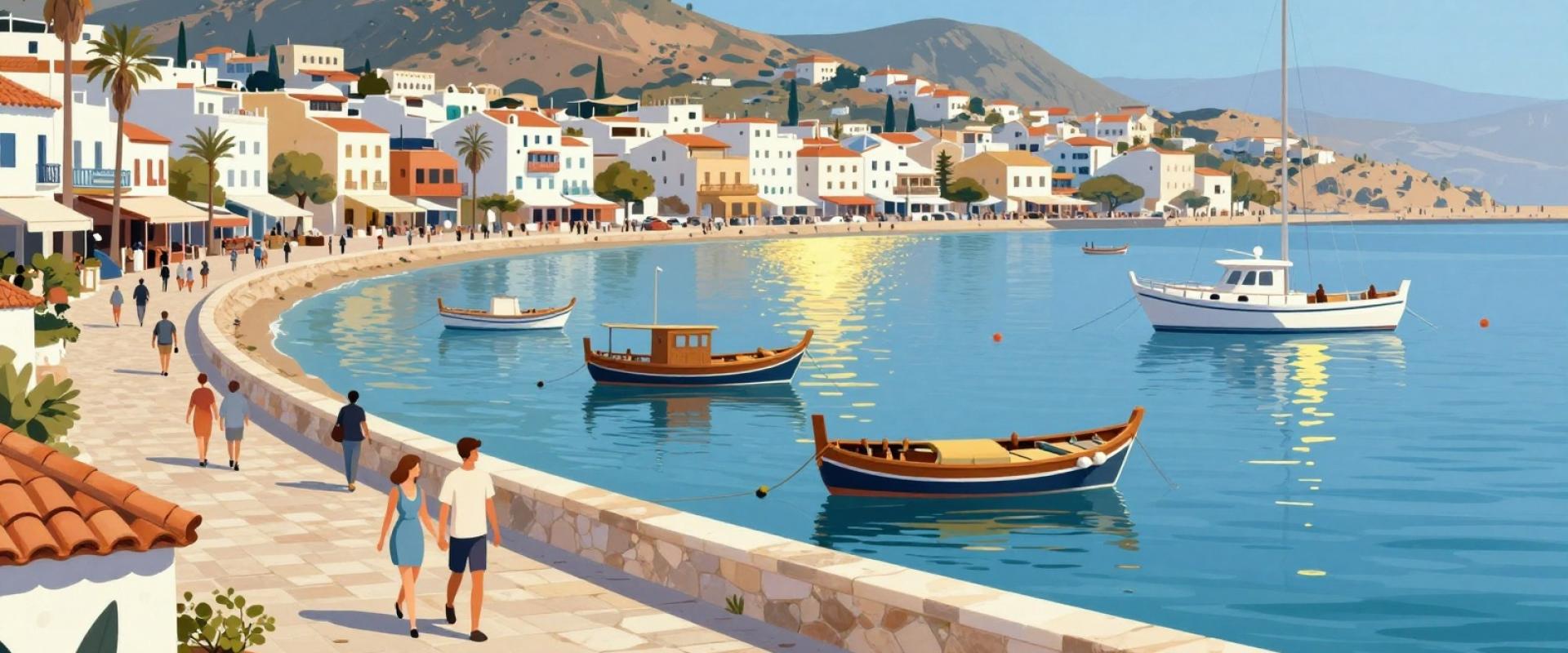
AI-generated illustration
Rabat-Salé-Kénitra Highlights Tour
7-day capital region tour from Rabat to Kénitra
7 days
•
Moderate difficulty
•
Est. MAD 200
Day 1: Arrival & The Kasbah of the Udayas
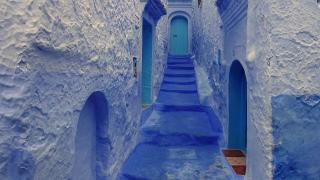
Settle into Rabat and explore the iconic blue-and-white Kasbah des Oudaias, enjoying views of the Bouregreg River and the Atlantic Ocean.
-
10:00
Check-in and Refresh
Arrive at your hotel in the Ville Nouvelle or near the Kasbah. Drop off luggage and freshen up.
-
11:00
Kasbah des Oudaias
Explore the 12th-century UNESCO citadel. Wander the blue-painted alleys, visit the Andalusian Gardens, and enjoy panoramic views of the river mouth.
-
13:00
Lunch at a Kasbah Terrace
Enjoy a traditional Moroccan lunch with a view overlooking the Bouregreg River.
-
15:00
Rabat Beach & Promenade
Walk along the Plage de Rabat at the mouth of the river. Relax by the Atlantic breeze.
-
17:00
Evening Tea at Café Maure
Traditional mint tea with a view of the sunset over the river.
Meals:
Lunch at Kasbah Area
Where to stay: Stay in the Ville Nouvelle for easy access to amenities or near the Medina for a historic feel.
Getting around: Walking is sufficient for the Kasbah and Beach area.
Day 2: Imperial History: Hassan Tower & Chellah
Discover Rabat's Almohad heritage at the Hassan Tower and explore the Roman ruins and Merinid mausoleums at Chellah.
-
09:00
Hassan Tower
Visit the 44m unfinished Almohad minaret, a striking remnant of a grand 12th-century mosque.
-
10:30
Moulay Hassan Mosque
View the exterior of the massive unfinished mosque adjacent to the tower.
-
12:00
Lunch in Agdal
Light lunch near the Agdal Gardens.
-
14:00
Chellah Necropolis
Explore the Roman ruins of Salae and the Merinid tombs set in a beautiful garden with wild peacocks.
-
17:00
Archaeological Museum of Rabat
Visit the 1932 museum housing rare Roman bronzes and artifacts from the Chellah site.
Meals:
Lunch at Agdal District
Where to stay: Same accommodation as Day 1.
Getting around: Taxi or bus required to reach Chellah from the city center.
Day 3: Salé: The Sister City
Cross the Bouregreg River to Salé to explore the 16th-century fortified medina, the Grand Mosque, and local museums.
-
09:30
Cross to Salé
Take a short taxi or walk across the bridge from Rabat to Salé.
-
10:00
Medina of Salé
Wander the authentic, less-touristy medina. Experience the daily life and architecture.
-
12:00
Grand Mosque of Salé (Jamaa Kebira)
View the 12th-century Almohad mosque, one of Morocco's largest.
-
13:00
Lunch in Salé Medina
Try local tagine and couscous in a traditional restaurant.
-
15:00
Salé Museum (Musée de Salé)
Visit the museum housed in a historic 17th-century medersa, showcasing local history and crafts.
-
17:00
Place Sidi Bouabid
Visit the historic mosque and square, a spiritual center for the city.
Meals:
Lunch at Salé Medina
Where to stay: Same accommodation as Day 1.
Getting around: Walking within Salé medina; taxi to cross back to Rabat.
Day 4: Art & Culture in Rabat
Focus on Rabat's modern cultural scene, including the Museum of Modern Art and local galleries.
-
10:00
Museum of Modern and Contemporary Art
Explore Morocco’s first modern art museum, founded by King Mohammed VI, featuring diverse collections.
-
12:30
Lunch in Hassan District
Dine in the upscale Hassan district near the Mausoleum of Mohammed V.
-
14:30
Chellah-like Ruins (Local Sites)
Visit smaller archaeological sites or ruins in the Rabat area, offering a quieter look at ancient history.
-
16:30
Shopping in Avenue Mohammed V
Stroll down the main avenue for souvenirs and modern Moroccan crafts.
Meals:
Lunch at Hassan District
Where to stay: Same accommodation as Day 1.
Getting around: Walking or short taxi rides within Rabat.
Day 5: Day Trip: Moulay Bousselham Lagoon
Travel north to the Atlantic coast to visit the Moulay Bousselham lagoon, a haven for migratory birds.
-
08:00
Travel to Moulay Bousselham
Take a train or bus from Rabat to Moulay Bousselham (approx. 1.5 hours).
-
10:00
Moulay Bousselham Lagoon
Explore the wetlands, spot migratory birds, and enjoy the coastal atmosphere.
-
13:00
Seafood Lunch
Fresh seafood lunch in the coastal town.
-
15:00
Coastal Walk
Relax on the beach or walk along the shore before heading back.
-
17:00
Return to Rabat
Train or bus back to Rabat.
Meals:
Lunch at Moulay Bousselham
Where to stay: Same accommodation as Day 1.
Getting around: Public transport (train/bus) is recommended for this day trip.
Day 6: Day Trip: Moulay Brahim & Atlas Foothills
Visit the pilgrimage town of Moulay Brahim in the Atlas foothills for spiritual history and mountain views.
-
08:30
Travel to Moulay Brahim
Drive or take a shared taxi to Moulay Brahim, located in the foothills.
-
10:30
Moulay Brahim Pilgrimage Town
Explore the shrine and the surrounding village, known for its spiritual significance and mountain setting.
-
12:30
Mountain Lunch
Traditional meal in a local guesthouse or restaurant.
-
14:00
Hiking/Scenic Views
Short hike or walk to enjoy the panoramic views of the surrounding valleys.
-
16:00
Return to Rabat
Return to Rabat for the evening.
Meals:
Lunch at Moulay Brahim
Where to stay: Same accommodation as Day 1.
Getting around: Car or shared taxi required for this trip.
Day 7: Kénitra & Departure
A brief visit to Kénitra, the northern anchor of the region, before departure.
-
09:00
Travel to Kénitra
Take a train from Rabat to Kénitra (approx. 1 hour).
-
10:00
Kénitra City Center
Explore the colonial architecture and the main square of Kénitra.
-
12:00
Lunch in Kénitra
Local lunch before heading back.
-
14:00
Kénitra Beach
Quick visit to the Atlantic beach in Kénitra.
-
16:00
Return to Rabat for Departure
Train back to Rabat for final departure or extended stay.
Meals:
Lunch at Kénitra
Where to stay: Check out of hotel.
Getting around: Train is the most efficient way to reach Kénitra from Rabat.
Practical Information
The Rabat-Salé-Kénitra region offers a manageable base for exploring northern Morocco, with spring (March to May) and autumn (September to November) providing the most pleasant weather for sightseeing. During these months, temperatures are mild, making it ideal for walking through the Kasbah of the Udayas or exploring the Chellah necropolis. Summer can be hot and humid, particularly along the Atlantic coast, while winter brings cooler temperatures and occasional rain. As Rabat serves as the national capital, it maintains a calmer, more administrative atmosphere than Marrakech or Fez, which appeals to travelers seeking a less intense experience.
Transportation within the region is efficient and well-connected. Rabat is a major hub with frequent train services to Casablanca, Meknès, Fes, and Tangier, facilitating easy day trips. The ONCF train network is reliable and affordable for inter-city travel. Locally, the tramway in Rabat and Salé provides convenient access to key sites, while taxis are plentiful for shorter distances. For exploring the wider region, including the coastal town of Kénitra or the ruins of Volubilis, renting a car or joining organized tours offers greater flexibility. The proximity of Salé to Rabat allows for easy pedestrian or taxi crossings over the Bouregreg River.
Accommodation options are diverse, ranging from luxury hotels in the modern city center to traditional riads in the medina. Staying in Rabat is recommended due to its central location and superior infrastructure. Salé offers a more authentic, local vibe with fewer tourist crowds, while Kénitra provides beachfront stays for those prioritizing coastal relaxation. Budget considerations should account for Rabat being moderately priced compared to major tourist hubs. Costs typically include accommodation, local transport, and meals, but entry fees to historic sites like the Hassan Tower or Chellah are usually extra.
Pack lightweight clothing for spring and autumn, along with a light jacket for cooler evenings. Comfortable walking shoes are essential for navigating the cobblestone streets of the medinas and the uneven terrain of archaeological sites. Bring sunscreen and a hat, as the Atlantic sun can be strong. Important tips include learning basic French or Arabic phrases, as English proficiency varies outside major hotels, and respecting local customs by dressing modestly when visiting religious sites. Always carry small change for tips and minor purchases, and verify train schedules in advance as they can change seasonally.
Book your stay
More Itineraries
2 days
Asilah Cultural Heritage
2-day Asilah cultural heritage and coastal exploration
View Itinerary →