







- Where
- Agadir, Souss-Massa
- Directions
- Directions
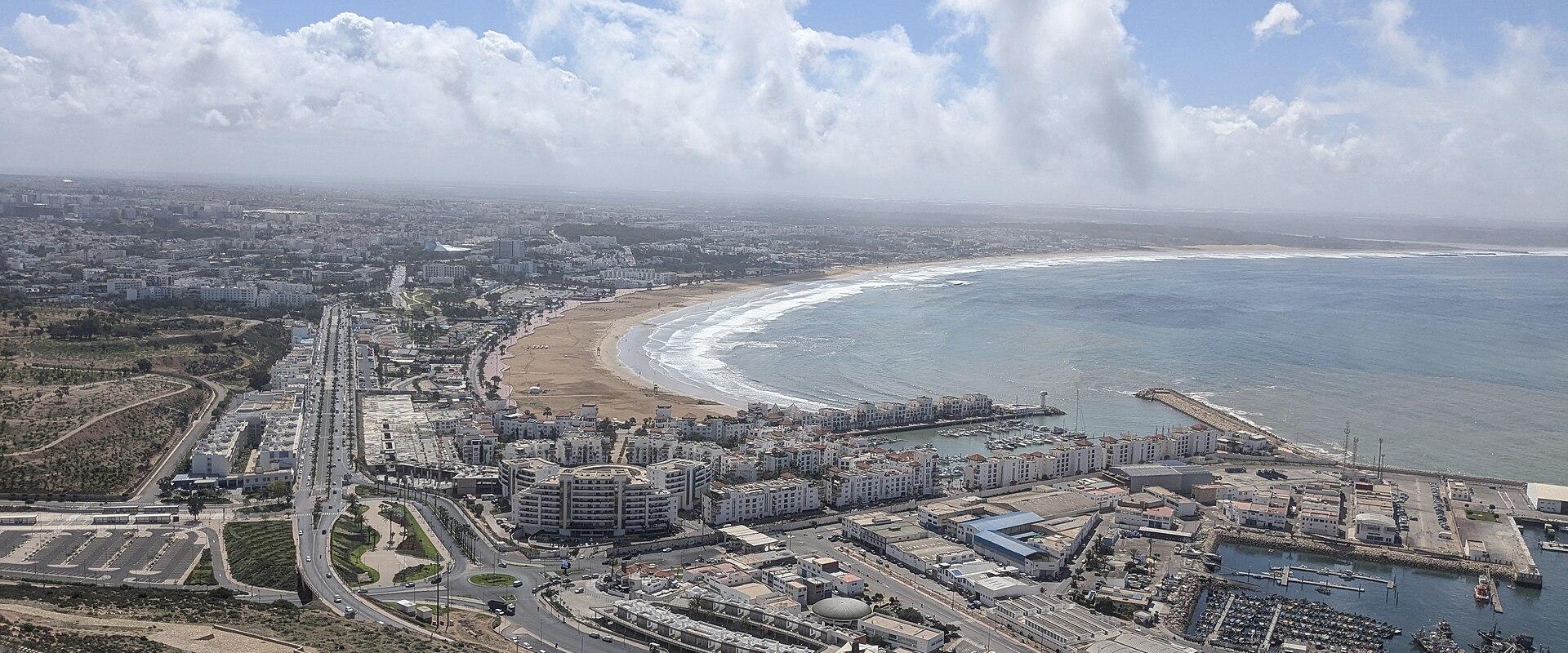
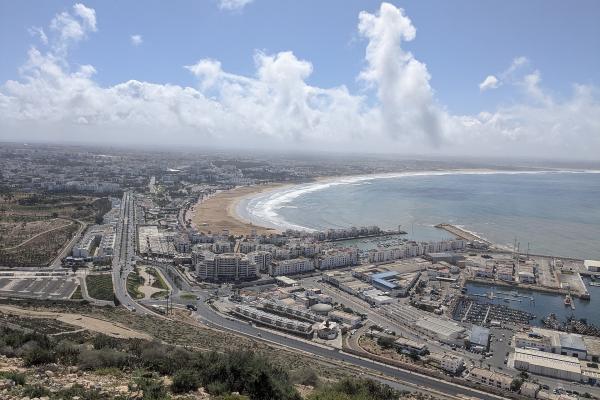
Agadir Beach is the long crescent of golden sand that curves around the bay of Agadir, on the Atlantic coast of southern Morocco, and it is the reason the city became a resort, and Agadir’s image rests on it. The bay is about ten kilometres from end to end, backed by a wide seafront promenade, palm trees and a line of hotels, cafés and restaurants, and the sand is broad enough that even on busy days there is room to spread out. The climate is mild and sunny for much of the year, with little rain and a pleasant sea breeze, which is why Agadir draws visitors in winter as well as summer.
The beach is also a good place to understand the modern city. Agadir was largely destroyed by the earthquake of 1960 and rebuilt in a modern style, with wide avenues, low buildings and generous open spaces, and the seafront is the centrepiece of that plan. The promenade is clean, flat and well lit, so it is easy to walk, cycle or jog along it, and at sunset the walkway fills with families and groups of friends. Cafés and restaurants serve grilled fish, tagines, fresh juice and pastries, and some have tables right at the edge of the sand. Beach activities include swimming, jet skis, camel rides and horse riding, and loungers and umbrellas can be rented in front of the hotels.
Swimming is generally pleasant, though the Atlantic can be cold early in the year and waves can be strong, so look for the flags and listen to lifeguards where they are posted. Surfers tend to head north to the breaks around Taghazout rather than use the main bay. The southern end of the beach, near the marina, is quieter, and the northern end near the port is more working. A walk to the marina, with its cafés and boats, makes a pleasant afternoon, and the Kasbah on its hill looks down on the whole scene.
Beyond the beach, the city has other attractions. The large market known as Souk El Had, rebuilt after the earthquake, sells spices, clothes, argan products and household goods, and the Timitar festival, which celebrates Amazigh and world music, has become a major summer event. The Souss-Massa region around Agadir also has the argan forests, the Atlas foothills and the villages of the coast, so the beach can be a base for exploring.
Visitors should dress modestly away from the sand, keep valuables safe and use sun protection. In July and August the beach is crowded with Moroccan families, and mornings and late afternoons are calmer. It suits families, sun seekers and travellers who want an easy beach holiday with a few cultural outings, and it provides a gentle introduction to Morocco’s Atlantic south.
Categories
More photos coming soon
Nearby Attractions
Other places to visit in Agadir
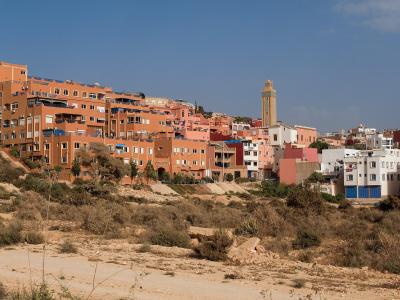
Tamraght Village
Relaxed Atlantic village with authentic culture and surf
Activities & Adventure · Coastal & Maritime
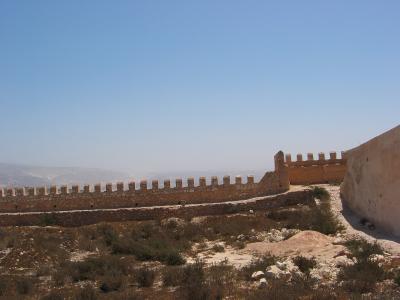
Kasbah of Agadir
16th-century fortress with panoramic city views
History & Heritage · Traditional Culture
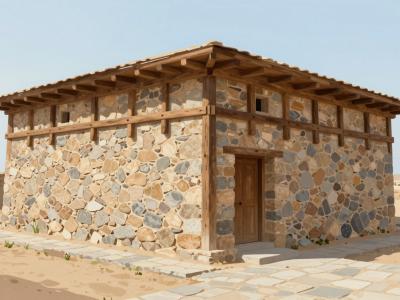
Agadir Museum
Museum dedicated to the 1960 Agadir earthquake
Cultural Experiences · History & Heritage
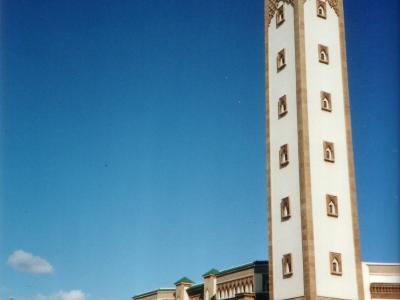
Mosque of Agadir
Largest mosque in Agadir, built in 1960
Architecture · Religious Sites
Questions people ask
Quick Facts
Best Time to Visit
All year for sun: January highs average about 21 °C and August about 27 °C. Most of the little rain falls from November to March; the sea is warmest (about 23 °C) in September and October.