







- Where
- Agadir, Souss-Massa
- Directions
- Directions
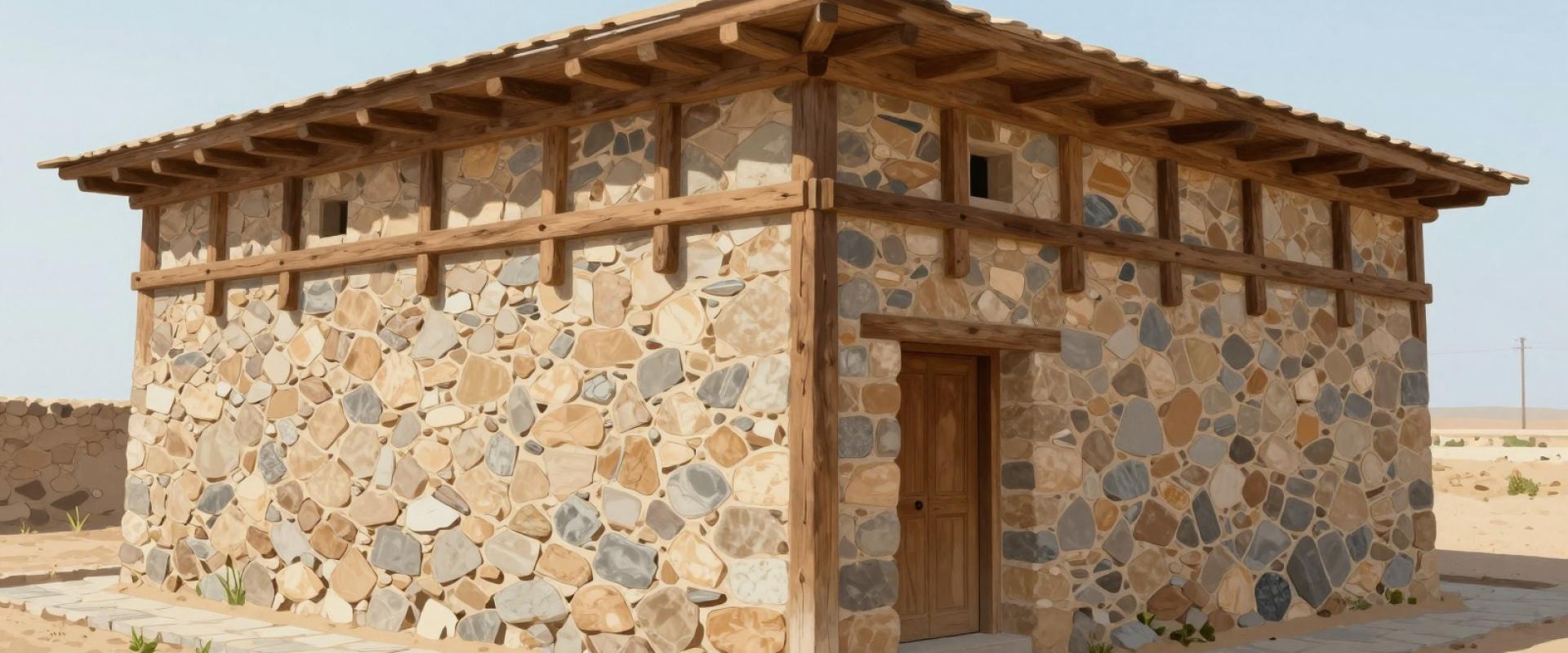
The Agadir Museum, sometimes presented under the name Memory of Agadir, is a small museum dedicated to the history of the city and above all to the earthquake that destroyed it on the night of 29 February 1960. Agadir today is a modern resort city of wide avenues and low buildings, and it can be hard to guess that nearly everything dates from after that event. The museum helps fill the gap by showing what the old city was like and how it was lost, using photographs, documents, maps and testimonies from survivors.
The earthquake struck shortly before midnight and lasted only seconds, but it brought down most of the buildings in the city and killed a large part of the population, with the toll usually put in the thousands. The disaster led to a national effort of rebuilding. The authorities chose a new site for the city, south of the old centre, and architects and planners laid out a modern grid with seismic building rules, wide streets and open spaces. The old hilltop kasbah was left as a ruin and the original lower town was not rebuilt, so the museum offers a way to understand what stood where.
The museum also looks at the region's longer story. Agadir lies at the edge of the Souss, a land of Amazigh-speaking communities, and displays often draw on Amazigh crafts, including silver jewellery, textiles, pottery and household objects from the villages of the Anti-Atlas and High Atlas. Seeing these items in context, alongside images of old Agadir and its port, helps convey the identity of the area. Visitors with an interest in Berber culture will find the combination useful, because it ties the city to its hinterland.
Exhibits are quietly presented and invite reading and reflection, so it is worth giving the museum an hour. The tone is respectful, and several visitors have family stories connected with the disaster. Check the current opening hours and ticket arrangements before going, as they have varied.
For many people the museum is a good first stop before visiting the Kasbah of Agadir on its hill, which shows what survived, and walking along the seafront and marina, which show what was built afterwards. It suits those interested in disasters and recovery, urban planning, social history and regional culture, and it gives depth to a city often seen only as a beach resort. The museum also works well for families with older children who want a sense of what happened and how people responded in Morocco.
Categories
More photos coming soon
Nearby Attractions
Other places to visit in Agadir
Tamraght Village
Relaxed Atlantic village with authentic culture and surf
Activities & Adventure · Coastal & Maritime
Kasbah of Agadir
16th-century fortress with panoramic city views
History & Heritage · Traditional Culture
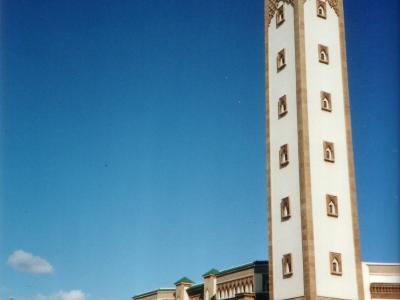
Mosque of Agadir
Largest mosque in Agadir, built in 1960
Architecture · Religious Sites
Limestone Canyons
Limestone canyons in Ida-Ou-Tanane, Morocco
Activities & Adventure · Natural Wonders
Questions people ask
Quick Facts
Best Time to Visit
All year for sun: January highs average about 21 °C and August about 27 °C. Most of the little rain falls from November to March; the sea is warmest (about 23 °C) in September and October.