







- Where
- Agadir, Souss-Massa
- Directions
- Directions
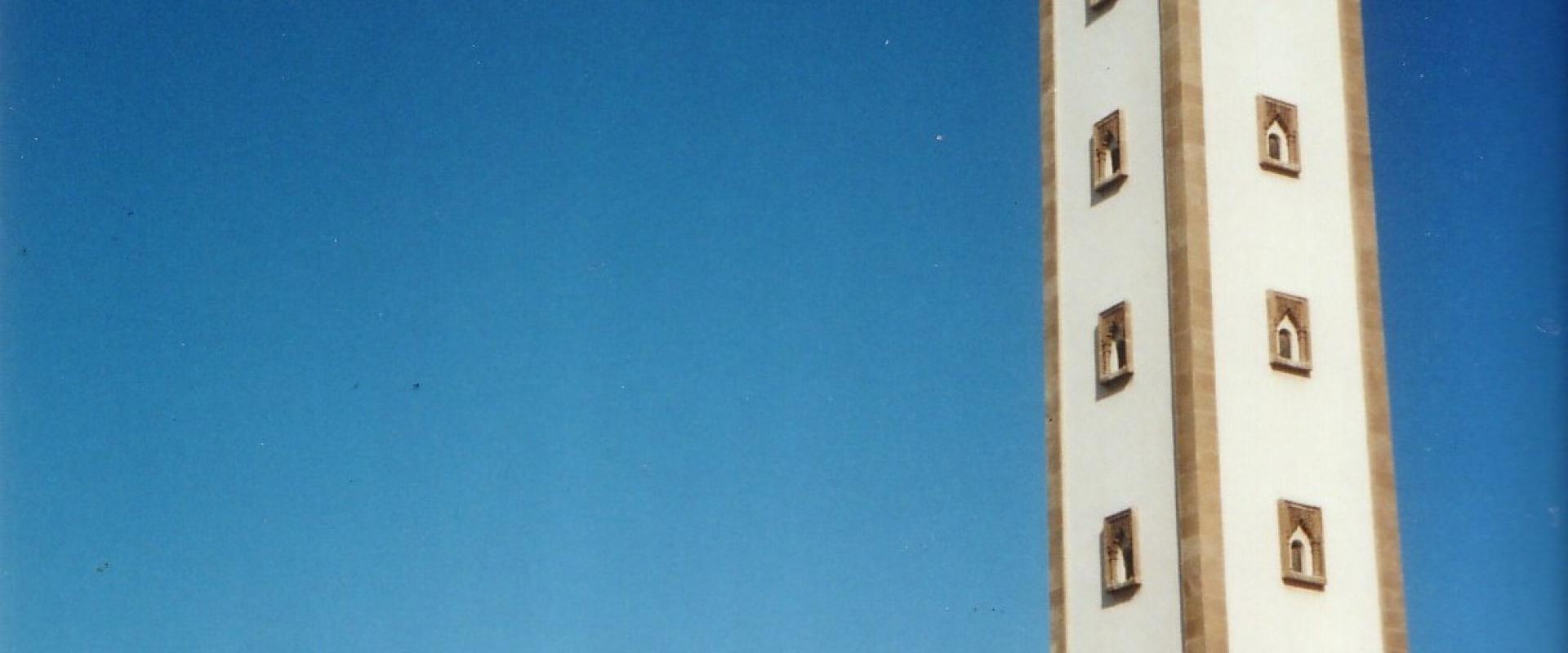
The Mohammed V Mosque is one of the principal mosques of Agadir, located in the Talborjt district, and it belongs to the rebuilt city that rose after the earthquake of 29 February 1960. Almost nothing in central Agadir predates that event, so mosques like this one were designed afresh in the years of reconstruction, in the early 1960s and after, and they reflect the confidence and the modern planning of the time. The building is a landmark in a city of low-rise concrete blocks, and its minaret is visible from several streets around.
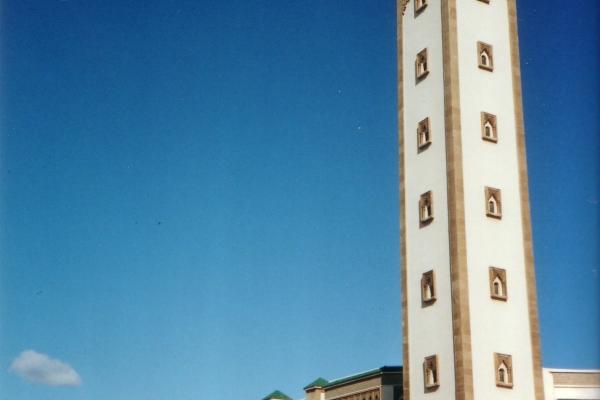
Architecturally, the mosque follows a conventional Moroccan pattern while using modern construction. A tall square minaret rises beside the prayer hall, there are horseshoe arches over doors and windows, and the decoration uses geometric ironwork and coloured details that recall Andalusian traditions. A broad double staircase leads up to the main entrance, giving the building a monumental presence at the top of the street. Inside, a spacious hall with white columns and carpets provides room for large Friday congregations, and light enters through high windows to give a calm atmosphere.
Located in a busy part of town, the mosque is surrounded by shops, cafés and daily commerce, which gives it a very different setting from the beach front. The call to prayer from its minaret sets the pace for the neighbourhood, and on Fridays the surrounding streets fill with worshippers. It is easy to see the building from the outside, and the pavement and steps offer a good vantage point.
The interior is reserved for Muslims, and visitors should not expect to enter the prayer hall. Unlike the Hassan II Mosque in Casablanca, which offers guided tours, Agadir’s mosques do not typically provide formal access for tourists. For most people the visit is therefore an exterior one, taking in the facade, the staircase and the minaret and noticing how the building anchors the surrounding streets. Dress modestly and keep a respectful distance during prayer times, and avoid photographing worshippers.
The mosque is a useful companion to the Agadir Museum, which explains the disaster, and the Kasbah, which shows what survived. Together they give a three-part picture of the old city, its destruction and its rebuilding. The mosque suits people interested in twentieth-century Islamic and Moroccan architecture and in the way a city reconstructs its religious and civic life.
Categories
More photos coming soon
Nearby Attractions
Other places to visit in Agadir
Tamraght Village
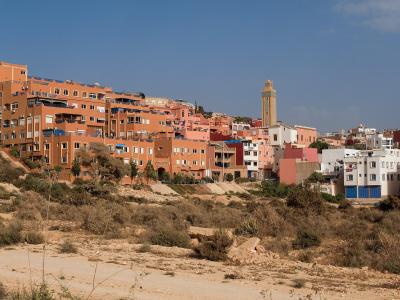
Relaxed Atlantic village with authentic culture and surf
Activities & Adventure · Coastal & Maritime
Kasbah of Agadir
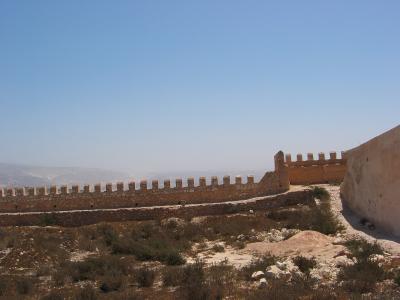
16th-century fortress with panoramic city views
History & Heritage · Traditional Culture
Agadir Museum
Museum dedicated to the 1960 Agadir earthquake
Cultural Experiences · History & Heritage
Limestone Canyons
Limestone canyons in Ida-Ou-Tanane, Morocco
Activities & Adventure · Natural Wonders
Questions people ask
Quick Facts
Best Time to Visit
All year for sun: January highs average about 21 °C and August about 27 °C. Most of the little rain falls from November to March; the sea is warmest (about 23 °C) in September and October.