







- Admission
- Varies by residency
- Free for 1960 earthquake
- Hours
- Daily 10am–7pm (10am–8pm summer, 10am–4:30pm Ramadan)
- Where
- Agadir, Souss-Massa
- Directions
- Directions
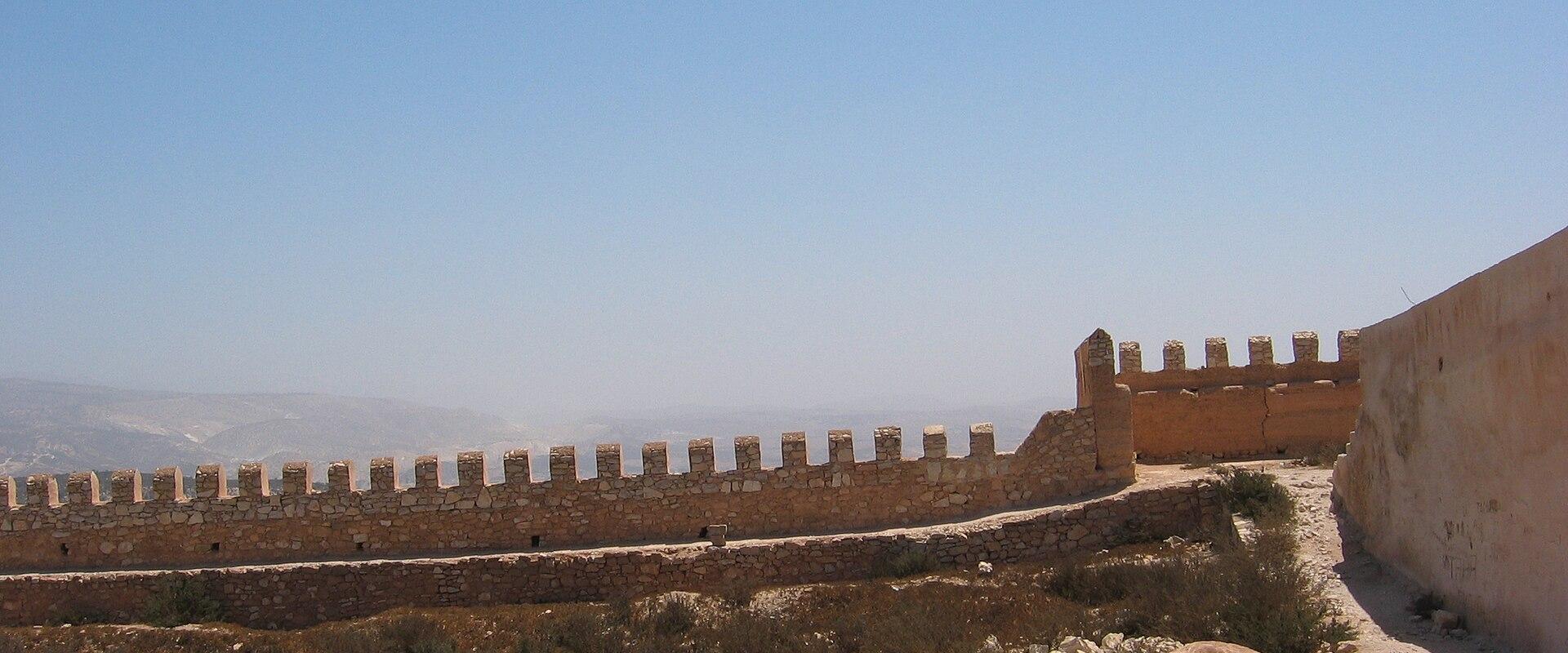
The Kasbah of Agadir, usually called Agadir Oufella, meaning upper Agadir, is the ruined fortress on the hill above the modern city, and it is the best place to see what Agadir looked like before the earthquake that changed it forever. The fortress is associated with the sixteenth century, when the Saadian sultans took the area from the Portuguese, who had occupied the coast and built a fort here in the early years of the century. The hill was then fortified and a walled settlement grew up inside, with a garrison, a mosque and houses. For a long time it guarded the port and the route to the Souss valley, and it was the nucleus of the old town.
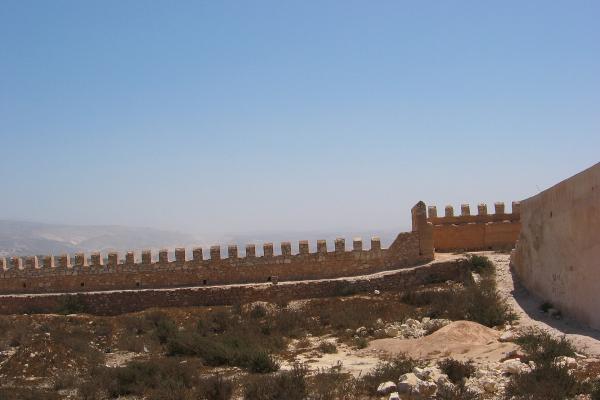
On 29 February 1960 an earthquake destroyed most of Agadir in a matter of seconds, killing thousands of people and levelling the kasbah's interior. What remains today are the thick outer walls, gates and ramparts, which were built to resist attack and survived better than the buildings they enclosed. The city below was rebuilt in a modern style on a new grid, further from the hill, and the old settlement was never reconstructed. In that sense the ruin is also a memorial, and the earthquake is the central part of the site's story.
A visit combines a climb with a view. A road and a path lead up the hill, and from the top the panorama takes in the Atlantic Ocean, the bay, the port and marina, the long arc of the beach and the city's blocks stretching toward the plain. On the slope below the walls, large Arabic letters spell out the national motto, God, Country, King, and are lit at night. The setting is especially fine at sunset, when the light turns the stone gold and the city lights come on below.
Visitors should wear sturdy shoes because paths are uneven, bring water and a hat, and be prepared for wind at the top. A guide or audio information is useful to understand what once stood inside the walls, since very little is visible. Opening times, ticket arrangements and concessions have been changed more than once, so check locally before going.
Because the kasbah is outside the centre, a taxi is the simplest way to get there, and many people combine it with a walk along the seafront and a visit to the Agadir Museum and the marina. It suits history enthusiasts, photographers and anyone who wants to understand Agadir’s story in one place, and the view from the walls is worth the effort alone.
Categories
More photos coming soon
Hours & Fees
- Open
- Daily 10am–7pm (10am–8pm summer, 10am–4:30pm Ramadan)
- Admission
- Varies by residency; free for 1960 earthquake
Hours and prices change, especially out of season. Check with the venue before you go.
Nearby Attractions
Other places to visit in Agadir
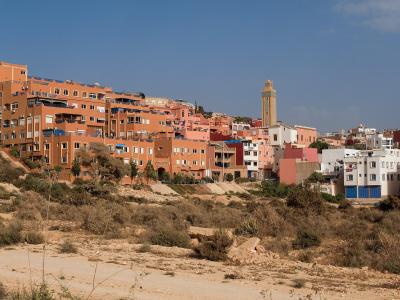
Tamraght Village
Relaxed Atlantic village with authentic culture and surf
Activities & Adventure · Coastal & Maritime
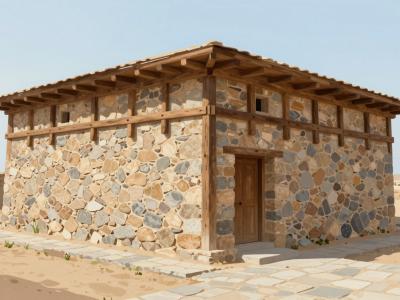
Agadir Museum
Museum dedicated to the 1960 Agadir earthquake
Cultural Experiences · History & Heritage
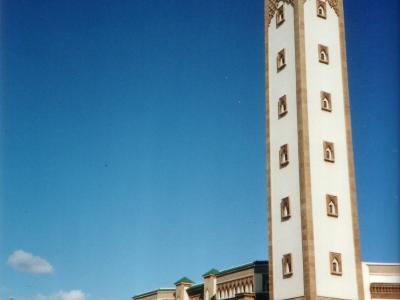
Mosque of Agadir
Largest mosque in Agadir, built in 1960
Architecture · Religious Sites
Limestone Canyons
Limestone canyons in Ida-Ou-Tanane, Morocco
Activities & Adventure · Natural Wonders
Questions people ask
Quick Facts
Best Time to Visit
All year for sun: January highs average about 21 °C and August about 27 °C. Most of the little rain falls from November to March; the sea is warmest (about 23 °C) in September and October.