







- Where
- Fez, Fes-Meknes
- Directions
- Directions
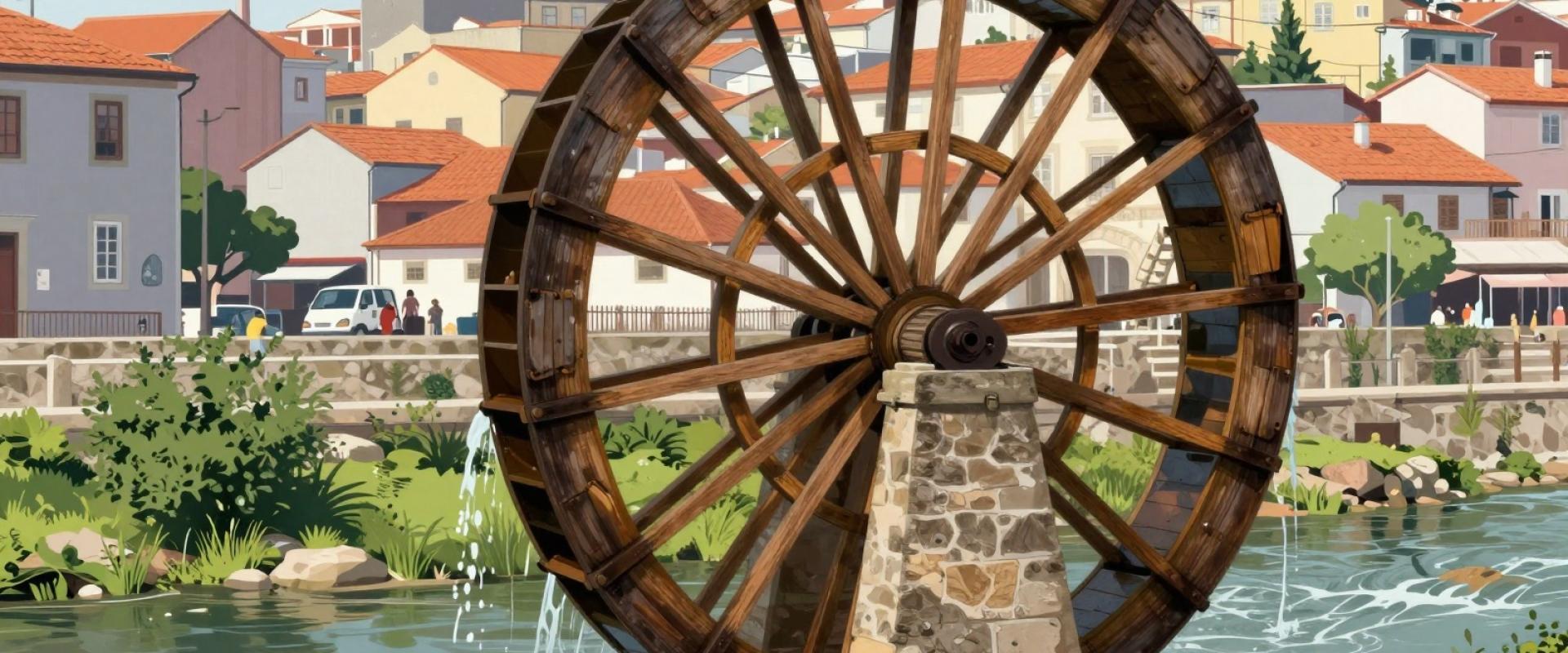
The Ain Azliten Water Wheel belongs to the old water system of Fes in Morocco, the city that grew along the Oued Fes, the river whose branches flow through the medina and which has been central to its life since the Middle Ages. Wooden water wheels, known in Arabic as norias, were once a common sight along this river, where they lifted water into channels and aqueducts that fed gardens, public fountains and the large houses on higher ground. The surviving wheel in this part of the city is a rare reminder of that technology, and it is worth knowing about because most of the others have been lost or have fallen out of use.
Water has always been the basis of Fes. The river divides into channels at the edge of the city and passes through the medina in stone-lined conduits, some of them hidden beneath streets and houses. Over the centuries this network supplied hammams, mosques, tanneries and thousands of homes, and the city's reputation for abundant fountains was part of its identity. The system was admired by travellers and reflects a long tradition of Islamic hydraulic engineering that spread across North Africa and Spain. A wheel such as this one turns slowly with the current, filling buckets or scoops and emptying them at the top into a trough.
Visitors should not expect a large visitor complex. Instead, it is an outdoor sight in a working neighbourhood, and the pleasure lies in seeing the wooden frame, hearing the creak of the turning wheel and noticing how it relates to the river and the surrounding walls. Originally the wheels would have been much more numerous, and imagining a river lined with them helps explain how the city developed. A short stop is enough, and photographs work best when the light falls across the wood in the morning or the late afternoon.
Because the area is part of everyday life, treat it respectfully. Local people use the paths beside the river for walking and meeting, and pedestrians, motorbikes and small vehicles share the lanes. While the site is free to see, it has little signage, so a guide or a map is useful to find it. Pair the visit with a walk along the river to the nearby gardens of Jnan Sbil and the gates of Fes el-Bali.
The wheel suits people with an interest in engineering, craft or urban history, and it fills a quiet half hour on a longer walk in the city. For anyone interested in the tanneries and the fountains, it shows how the infrastructure behind them worked. Dress modestly and ask before photographing people nearby.
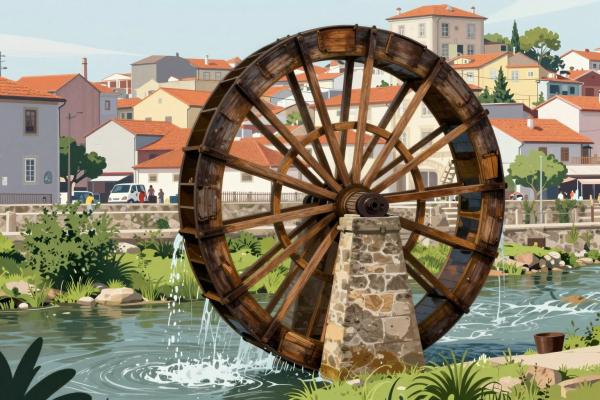
More photos coming soon
Nearby Attractions
Other places to visit in Fez
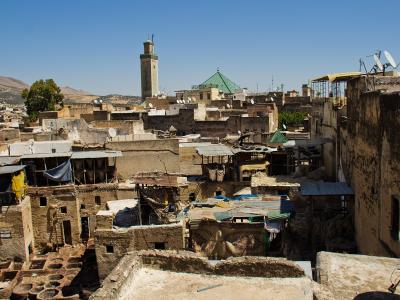
Medina of Fez el-Bali
Best-preserved medieval Arab city with 9,400 alleyways
Cultural Experiences · History & Heritage
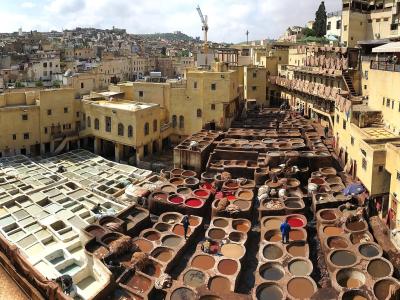
Chouara Tannery
Fes' oldest tannery with historic dye pits
Free Historic Towns · Local Crafts
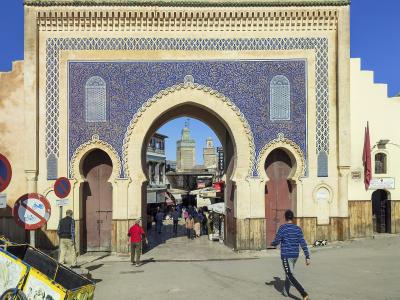
Bab Bou Jeloud
1913 French-built gate with blue mosaics
Cultural Experiences · History & Heritage
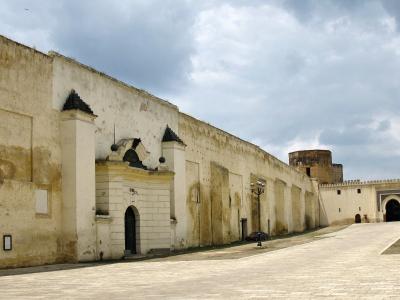
Bab Maqina
Historic military gate site in Fez Medina
Cultural Experiences · History & Heritage
Questions people ask
Quick Facts
Best Time to Visit
March to May and September to November. Summer afternoons average 35 °C in July; in January highs are about 16 °C and nights near 4 °C, and many riads are poorly heated.