
Dar Batha Museum
19th-century palace, reopened in 2025 as the Museum of Islamic Arts
- Admission
- 60 MAD for foreign visitors, 30 MAD for Moroccans, 15 MAD for children (2026). Tickets can also be bought online.
- Hours
- Daily except Tuesday, 10:00–18:00.
- Where
- Fez, Fes-Meknes
- Directions
- Directions
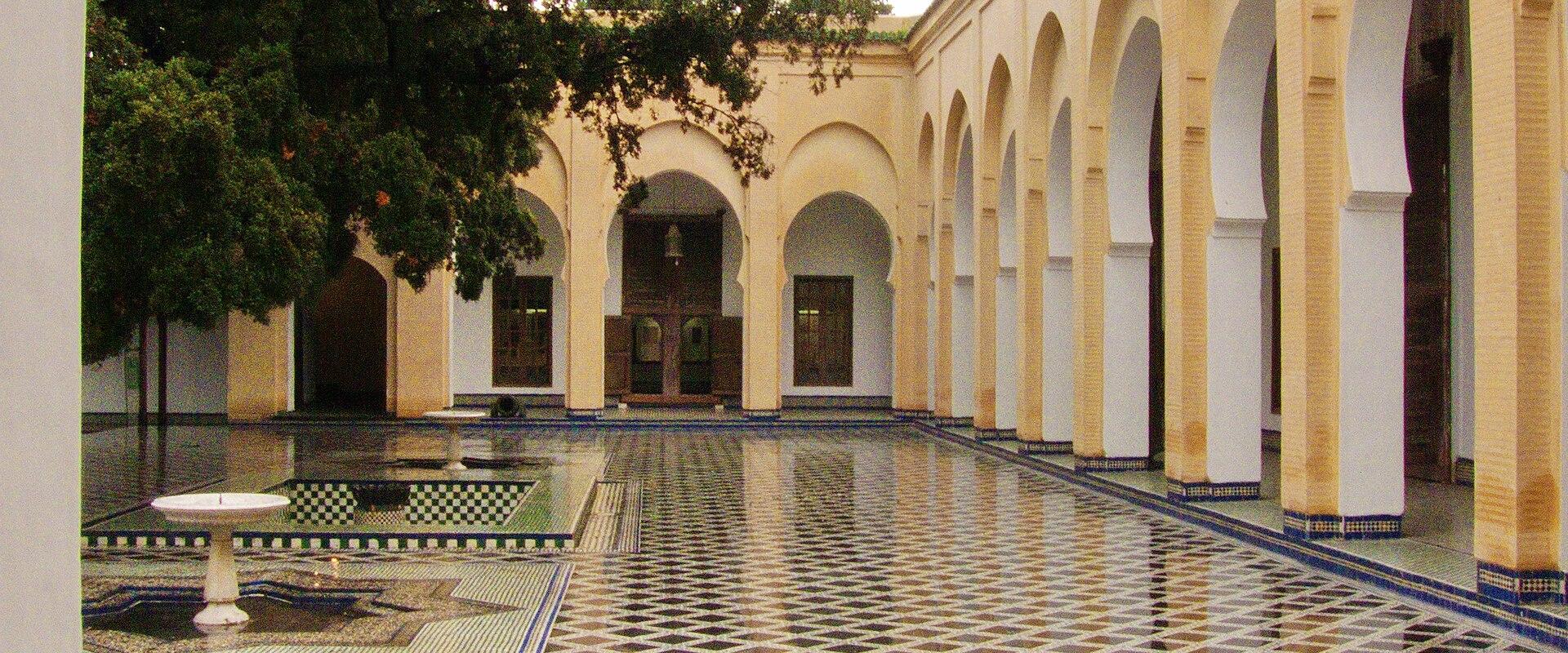
On the edge of Fez's medina, the Dar Batha Museum offers a compelling glimpse into Morocco's artistic heritage. Situated near Bab Bou Jeloud, this cultural landmark is housed in a former royal palace that was originally built in the late 19th century. The building itself is a work of art, featuring traditional architecture with carved cedar, sculpted plaster, and intricate zellige tile work that complements the internal Andalusian garden, complete with citrus trees and tranquil fountains.
The palace was begun under Sultan Moulay Hassan I and completed under his successor, Moulay Abdelaziz. After a renovation that began in 2019, it reopened on 26 February 2025 as the Musée Al Batha des Arts de l'Islam (Museum of Islamic Arts), run by Morocco's National Museums Foundation. It holds more than 6,500 objects, including the minbar (pulpit) of the Bou Inania Madrasa. The collection is particularly renowned for its ceramics, especially the famous "Fez blue" pottery. These white-enameled pieces, decorated with cobalt blue, highlight the unique clay found locally and the skill of local artisans. Visitors can also see carved wood and other crafts of the region.
This setting provides a serene environment to appreciate the intricate details of Moroccan artisanal heritage. The layout allows visitors to explore the material history of the region, from the craftsmanship of traditional guilds to the broader cultural influences that have shaped the area. It is a significant stop for those interested in the intersection of art, history, and traditional Moroccan craftsmanship, offering a quiet retreat within the bustling medina.
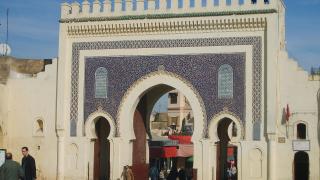
Fez el-Bali, the old medina, is one of the largest car-free urban areas in the world and has been a UNESCO World Heritage site since 1981. The museum stands at its western edge, near Bab Bou Jeloud, the ornate gate covered in blue tiles on its outer face and green on the inner, which is the main entrance for most visitors. Just inside the gate, the Bou Inania Madrasa, a fourteenth-century religious school whose original minbar is now in the museum, is one of the finest buildings in Morocco.
From the museum, the main streets of the medina, Talaa Kebira and Talaa Seghira, lead downhill past markets, workshops and mosques towards the Qaraouiyine and the famous Chouara tannery. Visiting the museum first gives a useful introduction to the crafts you will see being made in the medina's workshops.
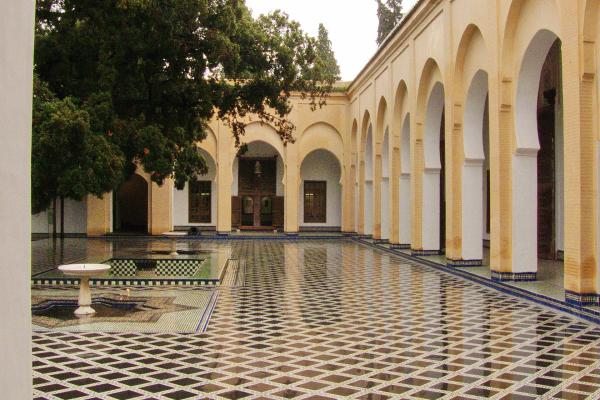
More photos coming soon
Hours & Fees
- Open
- Daily except Tuesday, 10:00–18:00.
- Admission
- 60 MAD for foreign visitors, 30 MAD for Moroccans, 15 MAD for children (2026). Tickets can also be bought online.
Hours and prices change, especially out of season. Check with the venue before you go.
Nearby Attractions
Other places to visit in Fez
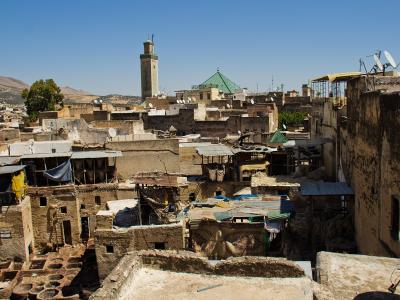
Medina of Fez el-Bali
Best-preserved medieval Arab city with 9,400 alleyways
Cultural Experiences · History & Heritage
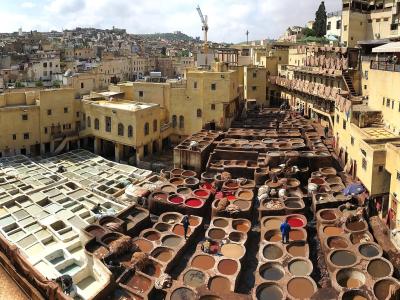
Chouara Tannery
Fes' oldest tannery with historic dye pits
Free Historic Towns · Local Crafts
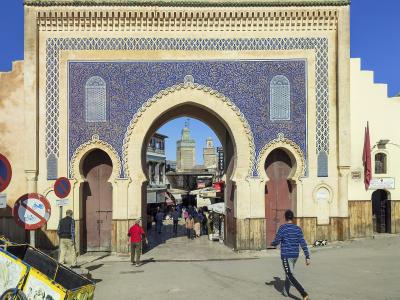
Bab Bou Jeloud
1913 French-built gate with blue mosaics
Cultural Experiences · History & Heritage
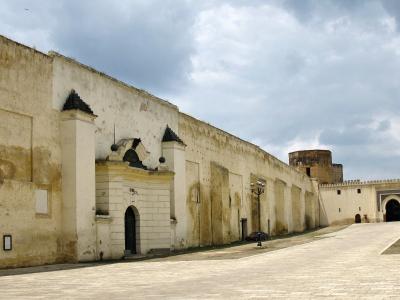
Bab Maqina
Historic military gate site in Fez Medina
Cultural Experiences · History & Heritage
Questions people ask
Quick Facts
60 MAD for foreign visitors, 30 MAD for Moroccans, 15 MAD for children (2026). Tickets can also be bought online.
Best Time to Visit
March to May and September to November. Summer afternoons average 35 °C in July; in January highs are about 16 °C and nights near 4 °C, and many riads are poorly heated.