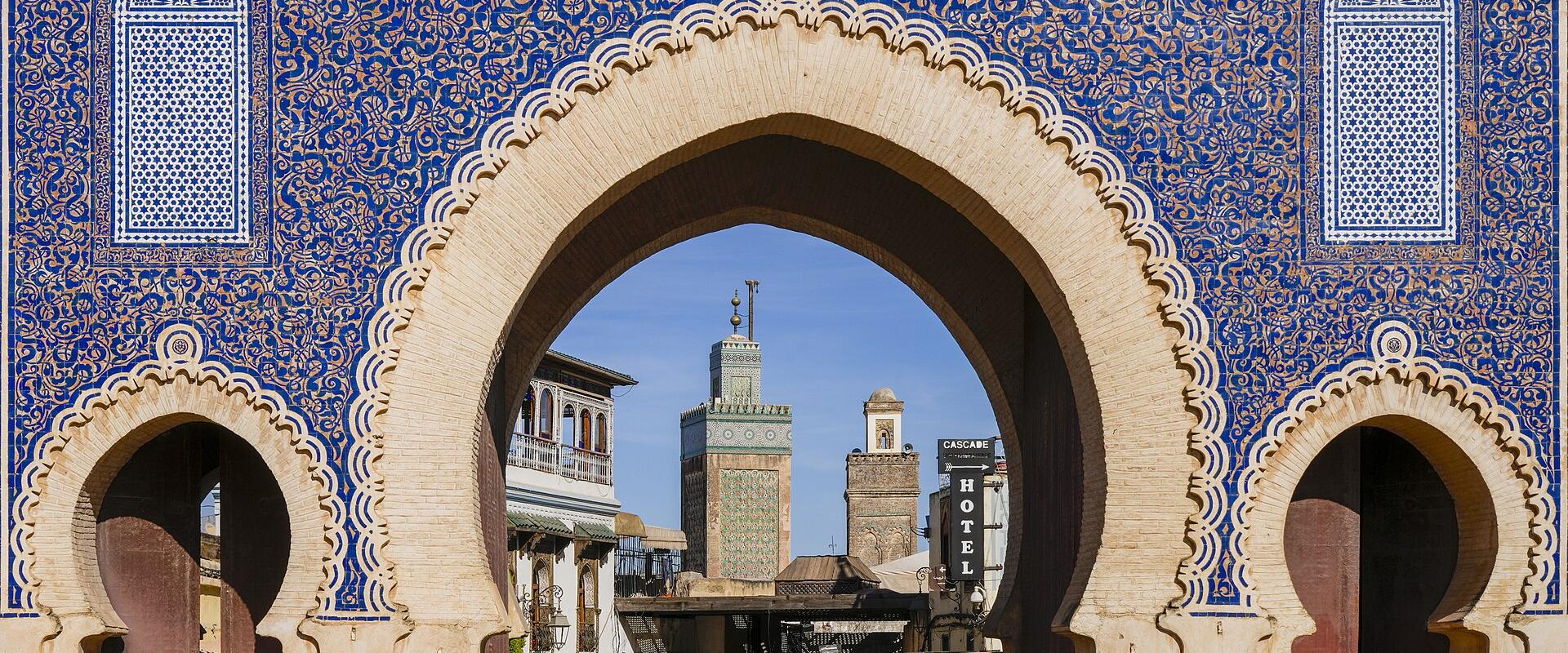
Fes
Ancient imperial city with the world's oldest university and vast medina
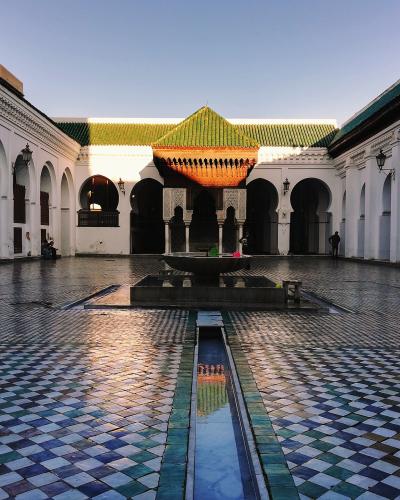
Fes, also spelled Fez, is widely regarded as the cultural and spiritual capital of Morocco, with a history that spans more than a millennium. Founded in the late 8th century by Idris I and expanded by his son Idris II, the city grew into a major centre of learning and trade. The University of al-Qarawiyyin, founded in 859 AD, is recognised by UNESCO and Guinness World Records as the oldest existing, continually operating educational institution in the world. Fatima al-Fihri, who founded the mosque and school, remains a celebrated figure in the city's story, and the complex still stands in the middle of the medina, with a library of old manuscripts.
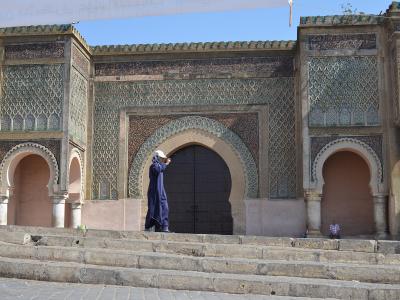
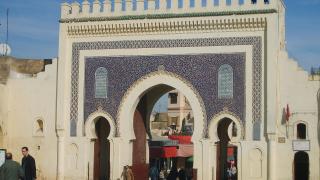
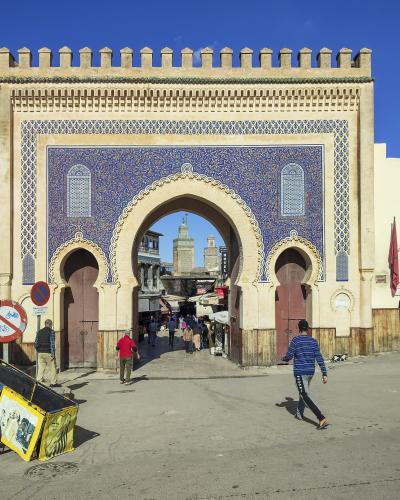
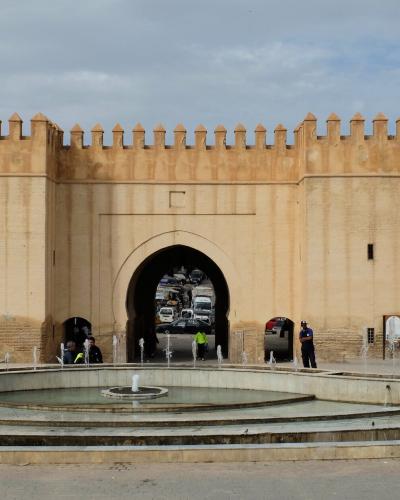
The city's layout reflects its medieval origins, and Fes el-Bali is a well-preserved example of a traditional Islamic city. The medina is divided into two main quarters, each historically associated with immigrants from Kairouan, Tunisia, and from Andalusia, in Spain. Walking through its streets is the main activity, and the best way to begin is from Bab Bou Jeloud, the gate where the main street starts, and from the nearby Bab Ftouh at the southeastern edge of the old town. Most visitors hire a licensed guide for the first day.
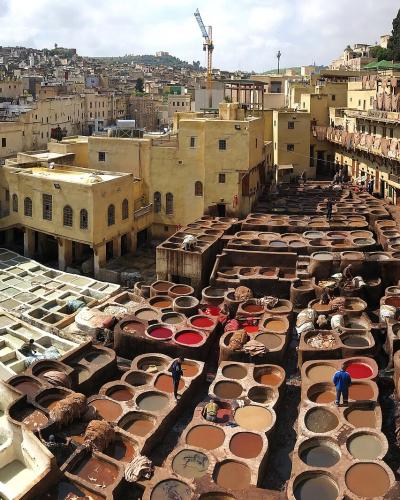
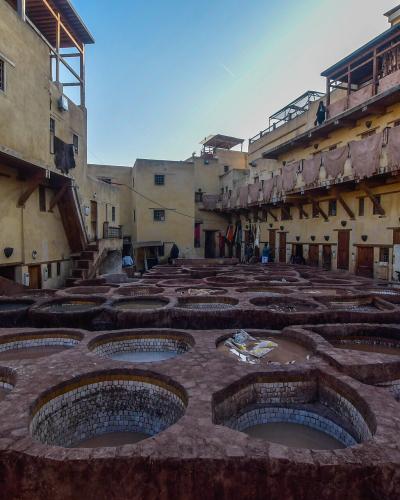
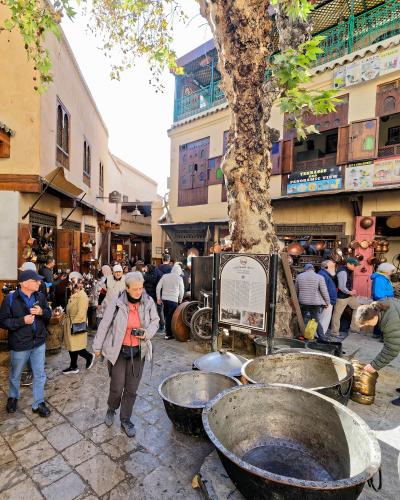
Crafts define the city. The Chouara Tannery is another major highlight, where visitors can observe the traditional leather-tanning process using natural dyes and pigeon droppings from a balcony to avoid the strong odours. The tanneries have operated since the Middle Ages, and workers still stand waist-deep in the vats. Nearby, Place Seffarine is the traditional centre for copper and brass craft, where metalworkers beat large pots and trays. The zellige workshops of Derb Zouak show how geometric tile mosaics are made, with craftsmen chipping glazed tiles into shapes that fit patterns of great precision. Carpenters work cedar in the Nejjarine quarter, where the Nejjarine Museum of Wooden Arts and Crafts occupies a restored 18th-century fondouk with a fine rooftop view.
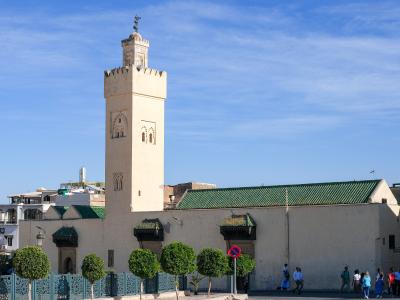
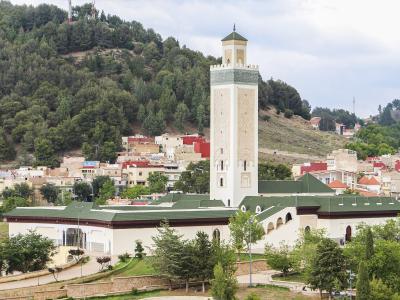
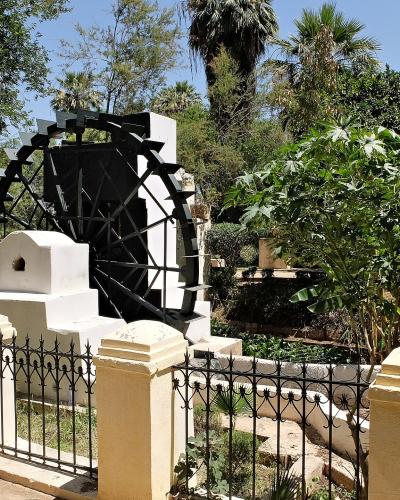
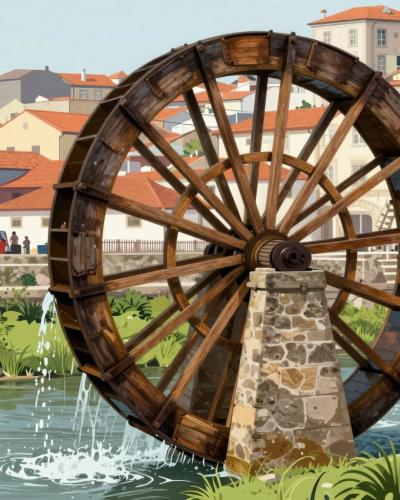
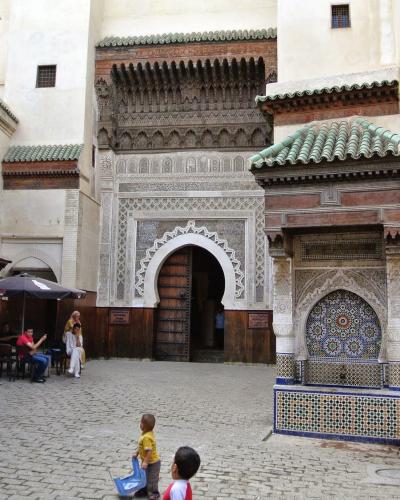
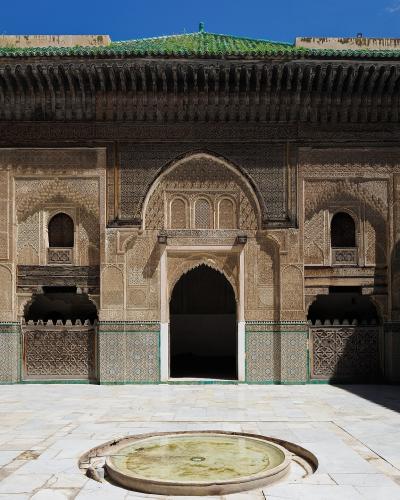
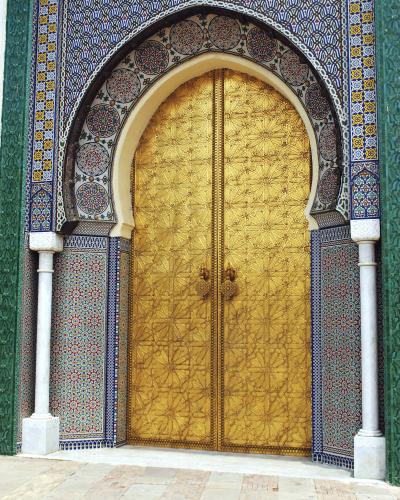
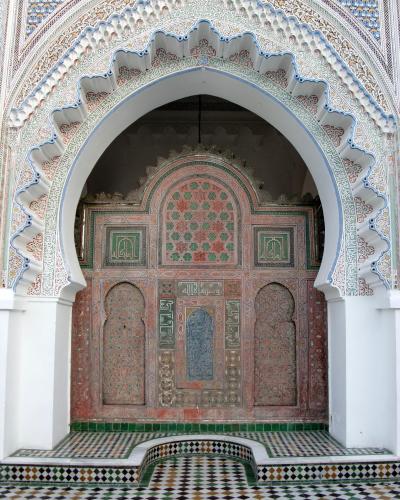
Architecture ties the crafts together. The Bou Inania Madrasa, a 14th-century theological college, is known for its intricate cedar wood and stucco work, and the Medersa Bou Inania is one of the few religious buildings in the city where non-Muslims can enter the courtyard and prayer hall area outside prayer times. The Royal Palace, Dar al-Makhzen, is a massive structure that offers glimpses of traditional Moroccan architecture through its monumental brass doors, although access to the interior is limited. The Great Mosque of al-Qarawiyyin is closed to non-Muslims, and visitors can only look through the open gateways. Ain Azliten's wooden water wheel, a reminder of the old network of channels that served the city, is one more curiosity.
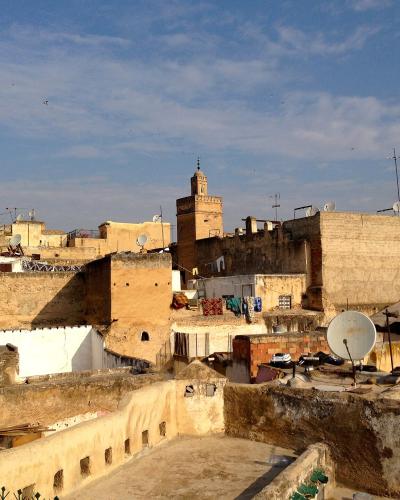
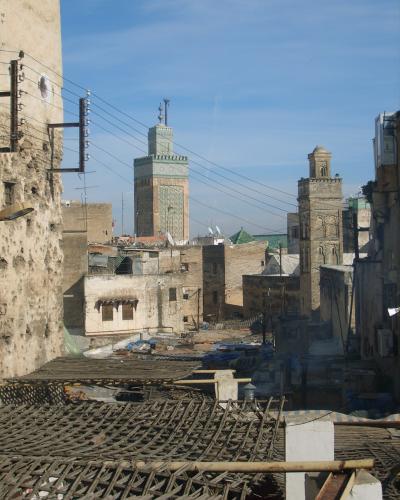
For a break from the crowds, the Jnan Sbil Garden, a royal garden beside the gate of Bab Bou Jeloud, gives shade, ponds and palm trees. Many riads also hide courtyards and gardens, and cafés on rooftops allow views over the minarets and domes. Evenings are best spent over a traditional Moroccan meal in a riad, with pastilla, tagines and mint tea.
Activities in Fes include guided walking tours through the medina to navigate its complex alleyways, visiting local cooperatives to see traditional crafts like pottery and weaving, and taking cooking classes. The city is well connected by rail and air, with Fes-Saïss Airport serving domestic and international flights. The best time to visit is during the spring (March to May) or autumn (September to November) when the weather is mild and pleasant for exploring the outdoor markets and historical sites. Summer can be extremely hot, while winter may bring cold temperatures and rain. Accommodation ranges from luxury riads in the medina to modern hotels in the Ville Nouvelle, offering a variety of experiences for visitors.
Best Time to Visit
Visit in spring or autumn for mild temperatures ideal for exploring the medina and historical sites comfortably.
Did you know?
Interesting, verified facts about Fes
World's oldest university located in Fez
RecordThe University of al-Qarawiyyin, founded in 859 by Fatima al-Fihri, is recognized by UNESCO and the Guinness Book of World Records as the oldest existing, continually operating educational institution in the world.
Source: external sourceLargest Car-Free Urban Area
RecordFes el-Bali, the ancient medina of Fes, is often cited as the world's largest car-free urban area, containing over 9,000 narrow alleyways and no roads for motor vehicles.
Source: external sourcePlan Your Visit to Fes
Essential travel tips and information for your trip to Fes.
Suggested Itineraries
Fes Cultural Heritage
2 days2-day cultural heritage tour of Morocco's oldest imperial city
View ItineraryExtended Fes Experience
3 days3-day Fes itinerary covering medinas, tanneries, and day trips
View ItineraryTravel Tips
Currency
MAD • Cards widely accepted
Language
Moroccan • English in tourist areas
WiFi
Free WiFi in cafes and hotels
Explore Fes by Interest
Discover attractions and experiences in Fes organized by your interests and travel preferences.
All attractions in Fes
Sorted by our recommendation score
Quick Facts
Book your stay
Frequently Asked Questions
More destinations in Fes-Meknes
Explore other amazing places in the Fes-Meknes region