







Al-Qarawiyyin Mosque and University
Mosque founded in the 9th century, still a seat of learning
- Where
- Fez, Fes-Meknes
- Directions
- Directions
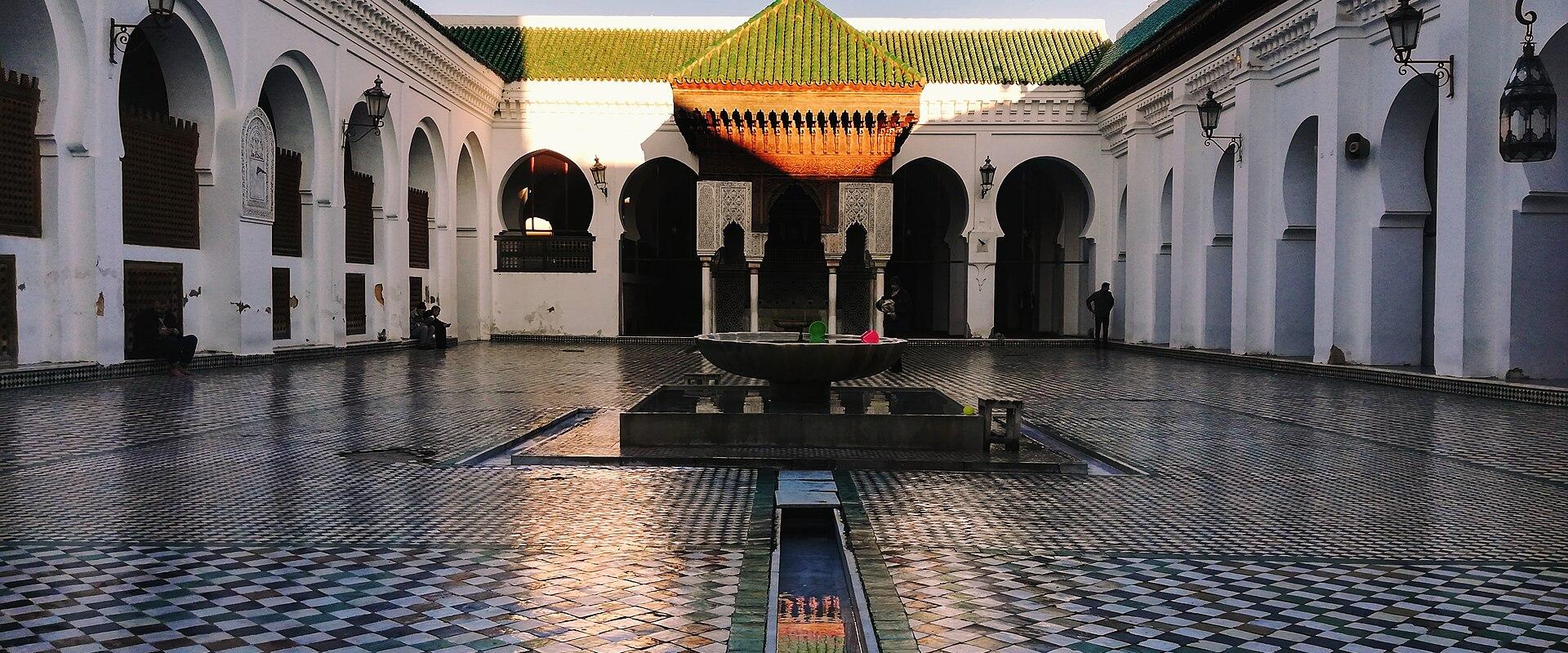
Al-Qarawiyyin, also written Quaraouiyine, is the historic Mosque and University complex, a mosque and former university at the centre of Fes el Bali that is widely regarded as the oldest continuously operating educational institution in the world. It was founded as a mosque in the mid-ninth century (sources give 857–859), traditionally by Fatima al-Fihri, a woman from a wealthy family that had migrated to Fez from Kairouan in Tunisia, who used her inheritance to build a mosque for the community. Over the following centuries it grew into a centre of learning in which students studied the Quran, Arabic grammar, law, theology and also astronomy, mathematics and medicine. Guinness World Records lists it as the oldest existing and continually operating educational institution in the world, although some historians question parts of the founding story and it became a state university only in 1963, and its role as a bridge between the Islamic world and Europe in the Golden Age of Islamic science is often noted.
The institution evolved with time. For much of its history it operated through circles of teaching around the pillars of the mosque, led by scholars whose authority came from their knowledge, and students travelled from across the Maghreb, Andalusia and beyond. In the twentieth century, reforms brought a more modern structure, and in 1963 it was integrated into the Moroccan state university system. It continues to teach religious studies, and the old tradition lives on in classes held within the mosque and in the surrounding madrasas.
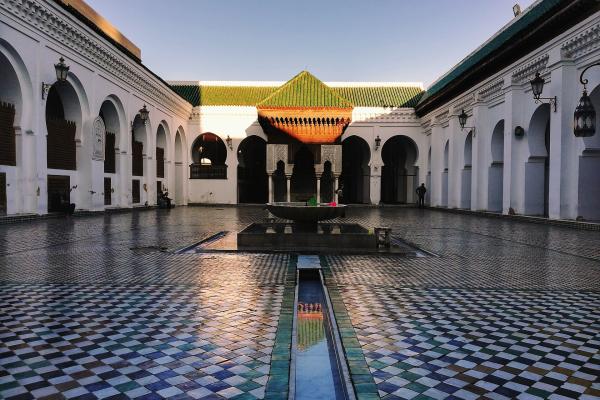
The building itself is a complex of courtyards, prayer halls and fountains that grew by additions over a thousand years. The mosque has a large prayer hall with many aisles supported by columns and horseshoe arches, a central courtyard with a fountain and green tiled roofs that appear over the medina skyline, while the minaret and carved doors show the work of different dynasties, including the Almoravids and Marinids. Its library, one of the oldest in the world, holds rare manuscripts and reopened in 2016 after a restoration led by the architect Aziza Chaouni; its entrance is on Place Seffarine, and whether visitors can go in on a given day is not published.
Visiting practicalities are straightforward. As an active place of worship, the interior is reserved for Muslim worshippers, and non-Muslim visitors are not allowed inside the prayer halls, though glimpses through open doors are often possible. The exterior, gates and surrounding lanes can be seen freely, and the nearby Bou Inania Madrasa, the Attarine Madrasa and the Place Seffarine give more of the district's atmosphere. Dress modestly, speak quietly and avoid photographing worshippers. Respect the call to prayer, when the neighbourhood becomes quiet.
For many people the pleasure is in the setting: the sound of the call from several minarets, the stalls selling books, perfumes and spices nearby, and the sense that scholarship and trade have been neighbours here for centuries. The site suits history readers, students of Islamic culture and travellers who want to understand why Fez is called Morocco's intellectual and spiritual capital. A local guide can explain the history and point out the details that are easy to miss. It is a place to appreciate quietly, even without going inside, and it is central to Morocco’s sense of its own history.
More photos coming soon
Nearby Attractions
Other places to visit in Fez
Medina of Fez el-Bali
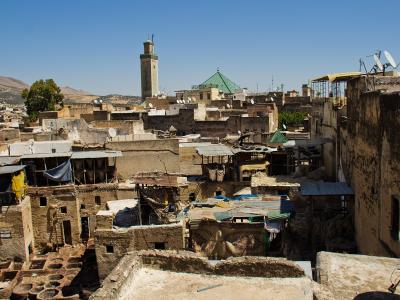
Best-preserved medieval Arab city with 9,400 alleyways
Cultural Experiences · History & Heritage
Chouara Tannery
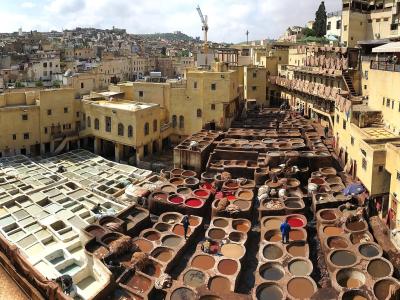
Fes' oldest tannery with historic dye pits
Free Historic Towns · Local Crafts
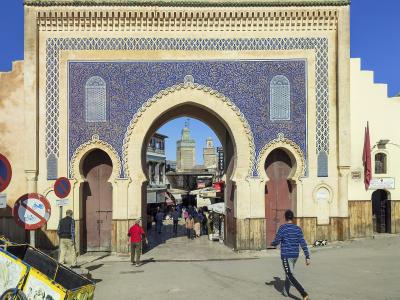
Bab Bou Jeloud
1913 French-built gate with blue mosaics
Cultural Experiences · History & Heritage
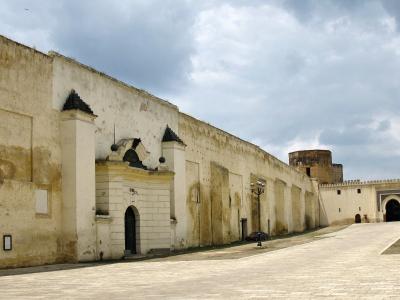
Bab Maqina
Historic military gate site in Fez Medina
Cultural Experiences · History & Heritage
Questions people ask
Quick Facts
Best Time to Visit
March to May and September to November. Summer afternoons average 35 °C in July; in January highs are about 16 °C and nights near 4 °C, and many riads are poorly heated.