- Where
- Fez, Fes-Meknes
- Directions
- Directions
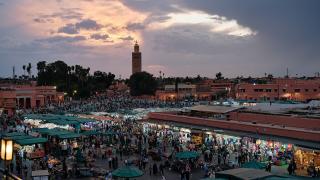
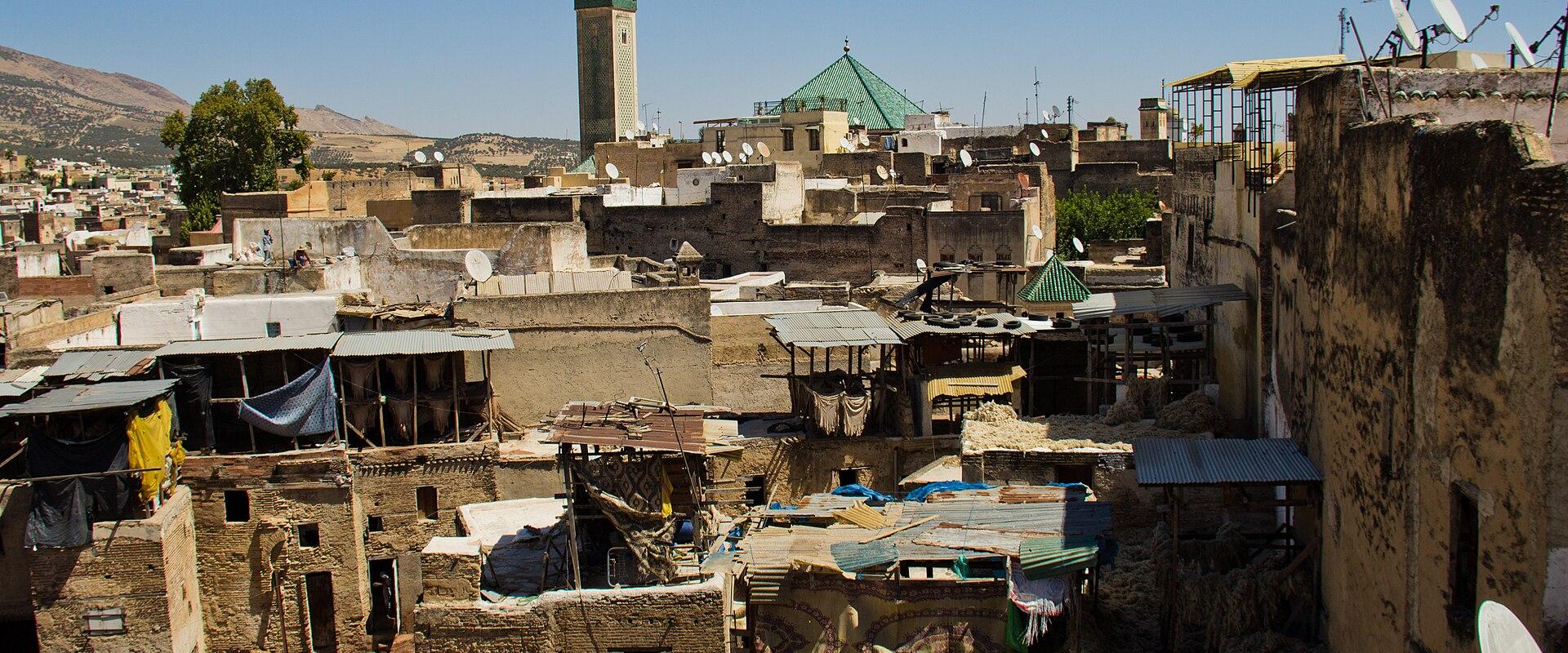
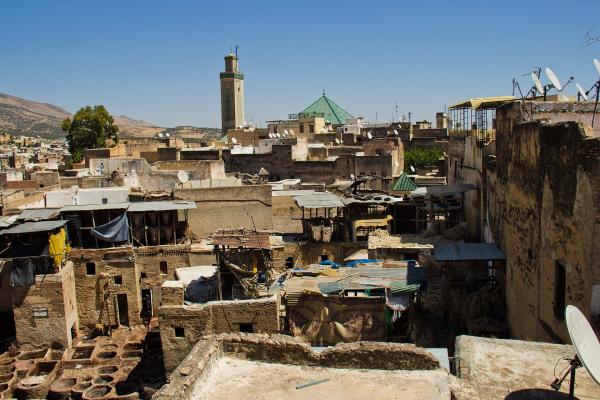
Fes el-Bali is the old walled core of Fez, founded at the end of the eighth century by Idris I and then expanded by his son Idris II. Unlike many historic quarters, it is a living city. It is often described as the best-preserved medieval city in the Arab world, and in 1981 it was inscribed on the UNESCO World Heritage list. Today it is a dense, working city of thousands of alleys, hundreds of workshops, fountains, mosques, madrasas and homes, and one of the largest car-free urban areas anywhere.
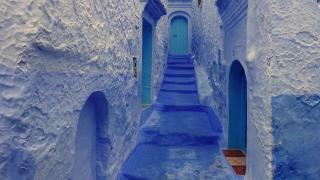
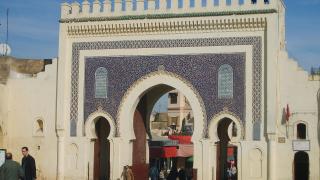
Its layout is the first thing a visitor has to accept. The lanes twist, branch and double back, and many are barely wide enough for a loaded donkey. Getting lost is almost guaranteed, and many people stop trying to follow a plan after the first hour and simply walk. Landmarks help: the blue gate of Bab Boujloud marks a classic entrance, while the long main thoroughfare known as Talaa Kebira runs downhill past stalls and fondouks toward the centre of the medina. Others pick up the pace with a guide, who can open doors that are otherwise easy to miss.
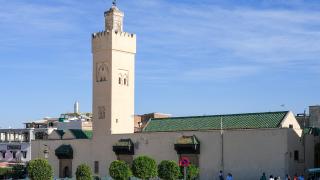
The district is also a centre of Islamic learning. The Qarawiyyin mosque and University, founded in the ninth century by Fatima al-Fihri, is often cited as one of the oldest continuously operating educational institutions in the world, and the surrounding area is full of madrasas such as Bou Inania, with carved cedar, plaster and zellij tile. Nearby, the Fondouk El-Najjarine, a restored caravanserai now housing a museum of woodwork, shows the craft traditions that define the quarter.
Trades are arranged by street. Coppersmiths hammer in Place Seffarine, dyers hang colourful skeins to dry, carpenters, brass workers and leather artisans fill their own corners, and the tanneries of Chouara, whose Berber and Arab workers keep old methods alive,, with their open pits of dye and hide, remain the best-known view in town. Smells, sounds and the calls of porters shouting "balak" make it a deeply sensory experience.
For Fez’s families this is not a heritage site but a home, so visitors should dress modestly, step aside when mules and carts come through and ask before photographing people. Expect persistent touts at entrances; a firm, polite refusal works. Key advice: spend at least a full day here, preferably two, and use the Souks of Fez, Bab Maqina and the viewpoints above the city to understand how the whole quarter fits together. It suits history lovers, craft enthusiasts and travellers who enjoy immersion over comfort.
More photos coming soon
Nearby Attractions
Other places to visit in Fez
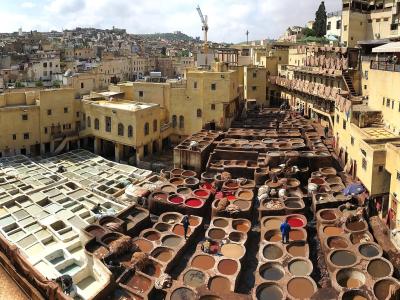
Chouara Tannery
Fes' oldest tannery with historic dye pits
Free Historic Towns · Local Crafts
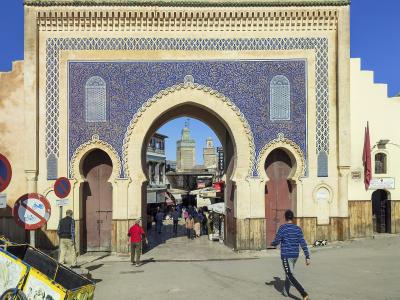
Bab Bou Jeloud
1913 French-built gate with blue mosaics
Cultural Experiences · History & Heritage
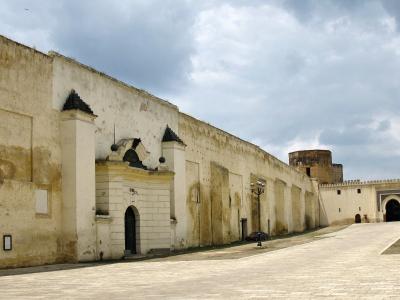
Bab Maqina
Historic military gate site in Fez Medina
Cultural Experiences · History & Heritage
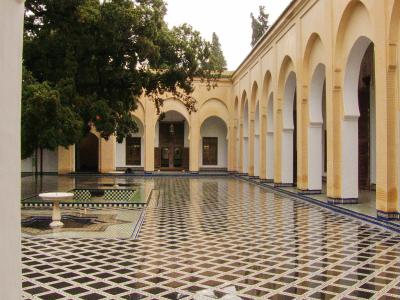
Dar Batha Museum
19th-century palace, reopened in 2025 as the Museum of Islamic Arts
From MAD 15 Cultural Experiences · History & Heritage
Questions people ask
Quick Facts
Best Time to Visit
March to May and September to November. Summer afternoons average 35 °C in July; in January highs are about 16 °C and nights near 4 °C, and many riads are poorly heated.