







- Admission
- 10 Dirhams
- Where
- Rabat, Rabat-Salé-Kénitra
- Directions
- Directions
The Archaeological Museum of Rabat, the Musée Archéologique, is the principal museum of Morocco’s antiquities, and it holds the finest objects from the Roman and pre-Roman sites of Morocco. It stands at Rue El Brihi in the centre of the capital, in a building opened in the early 1930s during the French protectorate, and its collections were gathered mainly by archaeologists working at sites across the country. The museum rewards Moroccan and foreign visitors who like to see ancient objects at close range, and it is much more compact than the national museums of larger countries, which is part of its appeal.
The ground-floor galleries are arranged chronologically, beginning with prehistory, including stone tools and remains that testify to the long human presence in the region, and moving through the Phoenician and Mauretanian periods to Roman Morocco and the Islamic period. Many objects come from the Roman towns of Volubilis, Banasa and Thamusida, along with other sites on the Atlantic coast and in the northwest. These include mosaics, inscriptions, pottery, glass, jewellery, coins and architectural fragments, which together show how the Roman province of Mauretania Tingitana lived and traded. The patio displays carved inscriptions that give names, dates and dedications, a good way to connect with individual people from the past.
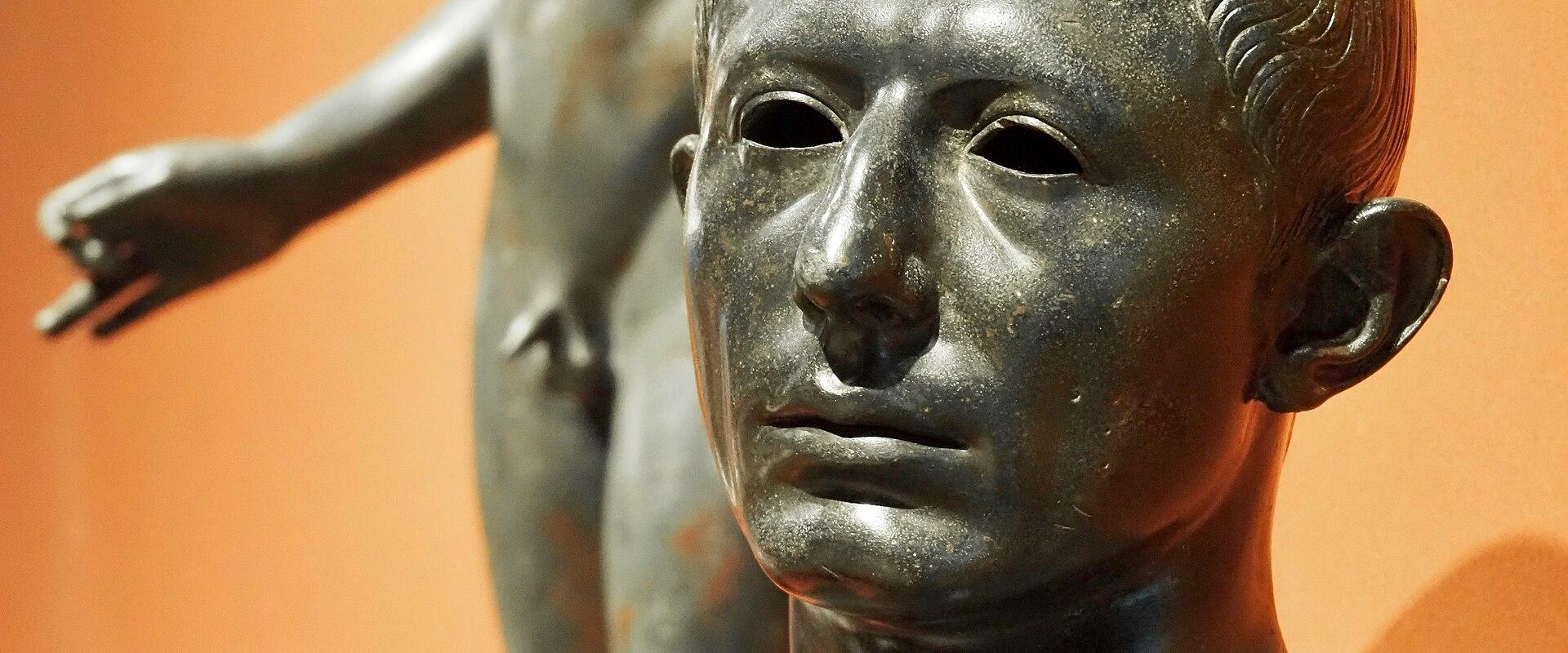
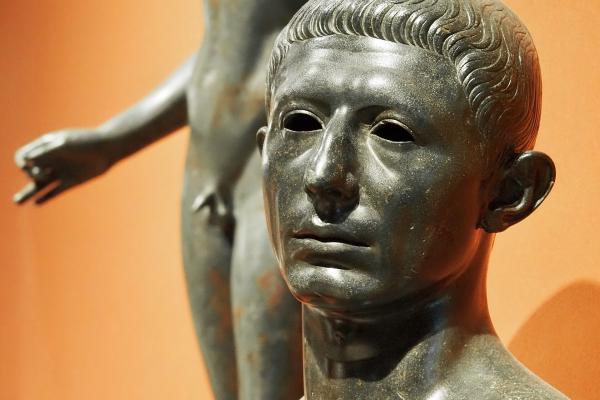
The highlight is the oval Bronzes room. Bronze sculpture rarely survives from antiquity, because metal was usually melted down and reused, so the pieces found in Morocco, many of them from Volubilis, are of exceptional interest. They include figures of young men, animals and portrait heads, among them busts connected with the Mauretanian court of Juba II, a Berber king who ruled as a client of Rome and married the daughter of Cleopatra. The bronzes are shown in an oval room that gives them room and light, and they are among the best-preserved examples from the western Roman world.
Beyond the permanent displays, the museum hosts temporary exhibitions that range from photography and painting to models and sculpture, so the offering changes. Labels are in several languages, though not always in depth, and the staff are usually helpful. Visitors should check the current opening hours and entry fee locally, as they are modest and have varied over time.
A visit takes about an hour and a half. The museum suits history readers, those planning to visit Volubilis, who will find it an excellent way to see the finds from the site, and anyone looking for a quiet interior on a hot day. It is easy to combine with a walk to the Kasbah des Oudaias and the Hassan Tower. It offers a tangible picture of Roman and earlier Morocco, and also helps visitors understand how Rabat itself has ancient roots.
Categories
More photos coming soon
Admission Fees
- Admission
- 10 Dirhams
Hours and prices change, especially out of season. Check with the venue before you go.
Nearby Attractions
Other places to visit in Rabat
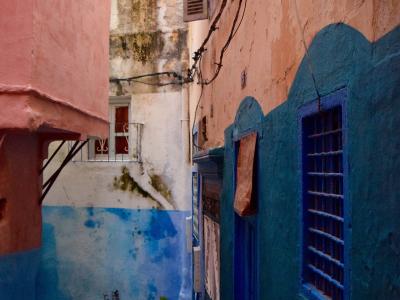
Oudaias Craft Museum
Ethnographic museum in Andalusian Kasbah
Local Crafts · Museums
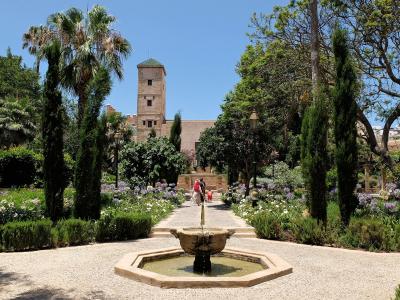
Andalusian Gardens
Terraced Spanish-Moorish garden in the 17th-century Kasbah
Architecture · Gardens
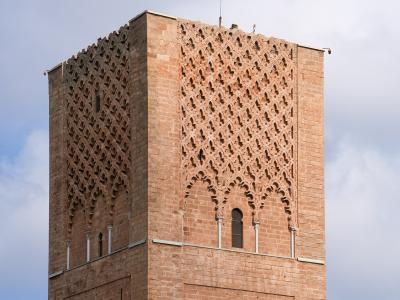
Hassan Tower
44m Almohad minaret, sole remnant of an unfinished 12th-c...
History & Heritage · Urban Exploration
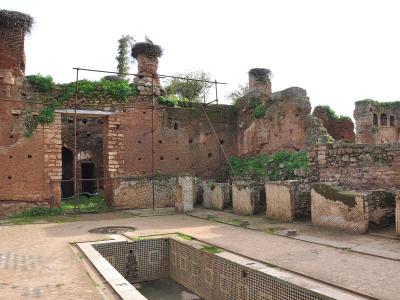
Chellah Necropolis
Roman ruins and Merinid tombs in Rabat
Cultural Experiences · History & Heritage
Questions people ask
Quick Facts
Best Time to Visit
Visit in spring or autumn for mild temperatures ideal for exploring historic sites and coastal areas comfortably.