







- Hours
- Open 9:00 AM to 6:00 PM (winter) or 8:00 PM (summer); 9:00 AM to 4:00 PM during Ramadan.
- Where
- Rabat, Rabat-Salé-Kénitra
- Directions
- Directions
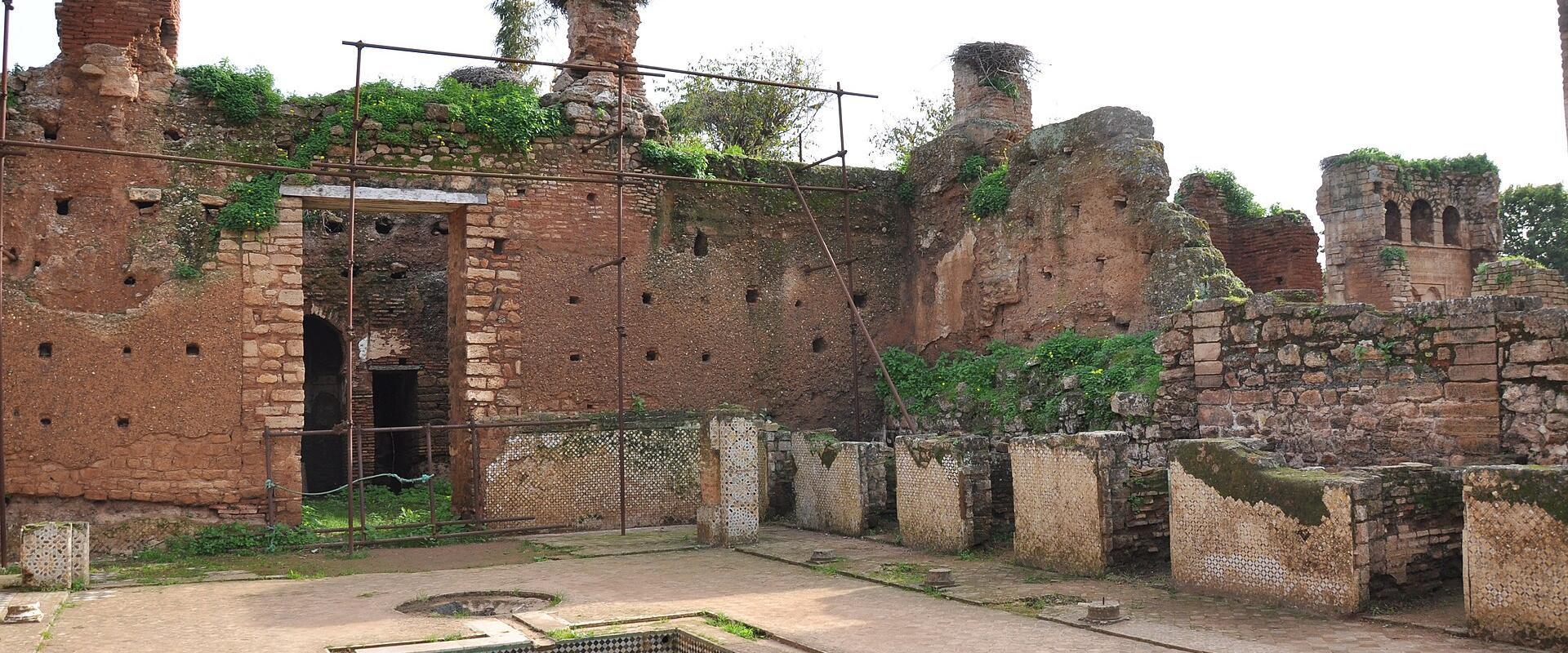
The Chellah Necropolis is a walled site of Roman ruins and medieval tombs on the edge of Rabat, overlooking the Bou Regreg River, across the river from Salé. It stands on the Rabat side, close to the old Kasbah and the southern end of the city, and it forms part of the Rabat ensemble inscribed by UNESCO in 2012. The site tells two stories at once, one Roman and one from the Merinid dynasty, and it is among the most atmospheric historical places in Morocco’s capital region, and Moroccan families come for picnics and walks.
The Roman layer is the older. A Roman town called Sala Colonia stood here, an outpost on the Atlantic edge of the province of Mauretania Tingitana, and its remains include a paved main street, the base of a forum, a triumphal arch and the footings of shops and temples. The Romans left in the third century, but the site continued to be used, and in the thirteenth and fourteenth centuries the Merinid sultans turned it into a royal necropolis. Sultan Abu al-Hasan had the monumental gate and the walls built in 1339, and the gate, with its pair of towers and delicate geometric decoration, is the most photographed element.
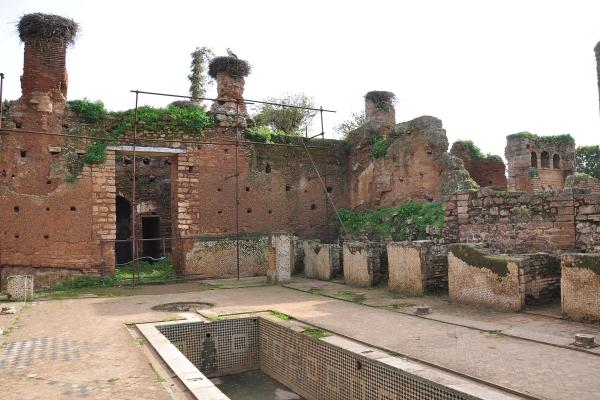
Inside, paths run through a garden of fruit trees, flowering shrubs and wild plants, and the effect is of a ruin gently reclaimed by nature. The remains of a zawiya, a religious complex with a mosque and a minaret, stand in the centre, and white storks nest on the minaret and on the walls, adding to the atmosphere. Visitors can see the tombs of Merinid rulers and their families, many in a ruined state with carved stone and tilework still visible in places. A pool within the grounds is associated with local beliefs, and some visitors, especially women, have traditionally brought offerings to the eels that live there, in the hope of blessings or good fortune. It is a charming detail rather than a spectacle.
For many people the experience is quiet and contemplative. The ground is uneven, so wear comfortable shoes, and there is limited shade, so bring water and a hat in summer. Check the current opening times and ticket arrangements, which vary by season and have changed over time, and consider hiring a guide to explain the layers of history, as signage is limited.
The site suits history readers, photographers and anyone interested in Islamic and Roman archaeology, and it combines well with the Hassan Tower and the Kasbah des Oudaias in a day in Rabat. Spring is a good season, when the garden is green and flowers bloom.
More photos coming soon
Opening Hours
- Open
- Open 9:00 AM to 6:00 PM (winter) or 8:00 PM (summer); 9:00 AM to 4:00 PM during Ramadan.
Hours and prices change, especially out of season. Check with the venue before you go.
Nearby Attractions
Other places to visit in Rabat
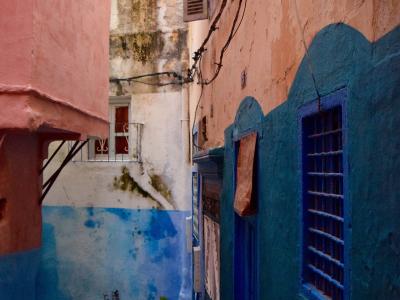
Oudaias Craft Museum
Ethnographic museum in Andalusian Kasbah
Local Crafts · Museums
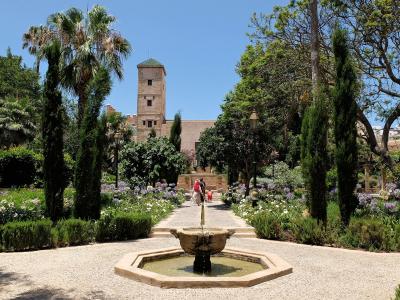
Andalusian Gardens
Terraced Spanish-Moorish garden in the 17th-century Kasbah
Architecture · Gardens
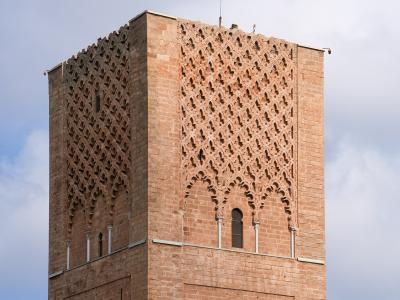
Hassan Tower
44m Almohad minaret, sole remnant of an unfinished 12th-c...
History & Heritage · Urban Exploration
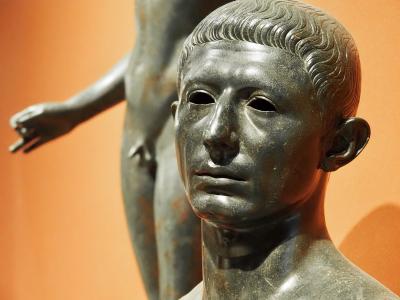
Archaeological Museum of Rabat
1932 museum housing rare Roman bronzes
Cultural Experiences · History & Heritage
Questions people ask
Quick Facts
Best Time to Visit
Visit in spring or autumn for mild temperatures ideal for exploring historic sites and coastal areas comfortably.