







- Hours
- Daily 9 a.m. to 6 p.m.
- Where
- Rabat, Rabat-Salé-Kénitra
- Directions
- Directions
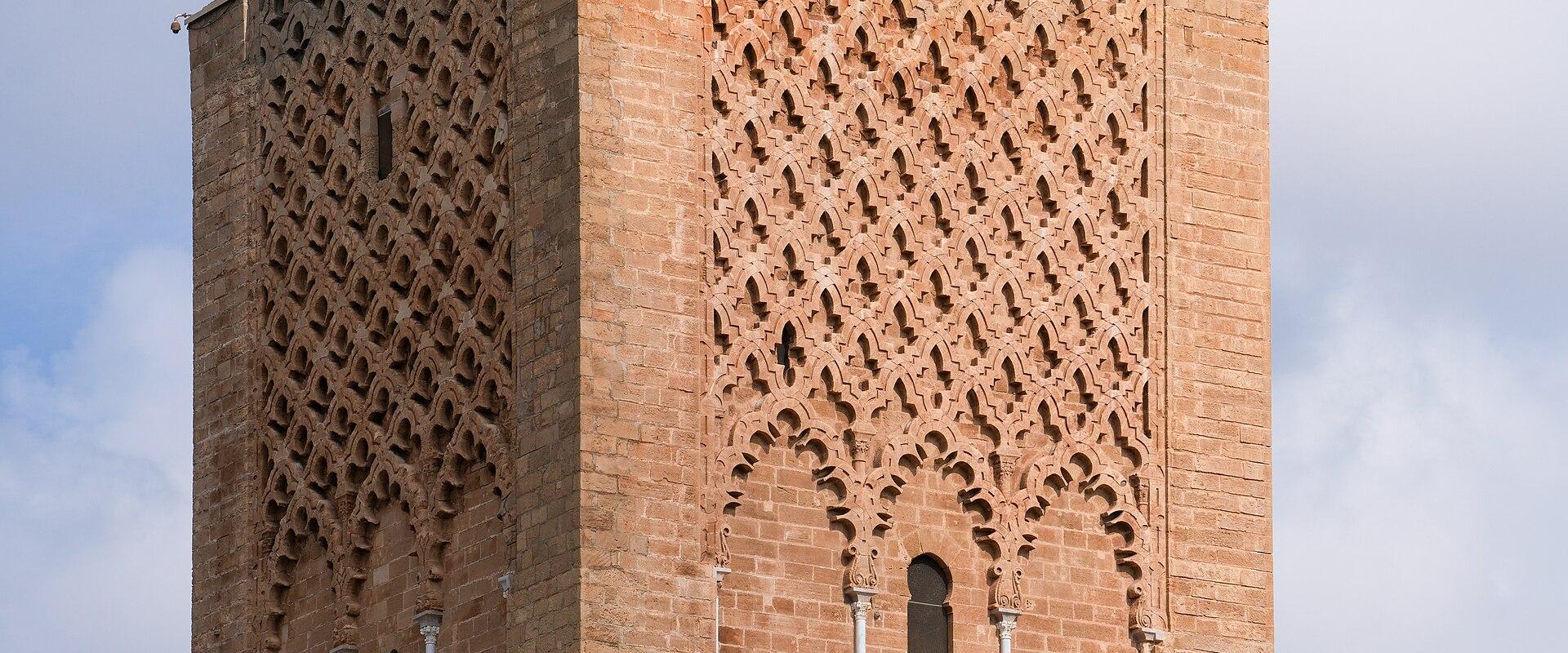
The Hassan Tower is the great unfinished minaret that stands on a low rise above the Bou Regreg river in Rabat, along Mohamed Lyazidi Boulevard. It was begun in 1195 by the Almohad Sultan Yacoub al-Mansour, the ruler who also oversaw major work in Seville and Marrakech, as part of a mosque meant to be one of the largest in the Islamic world. Work stopped after the sultan died in 1199, and the building was never completed. The minaret rose to about 44 metres, roughly half the planned height, and the mosque's prayer hall was left with forests of stumpy columns and bases of walls.
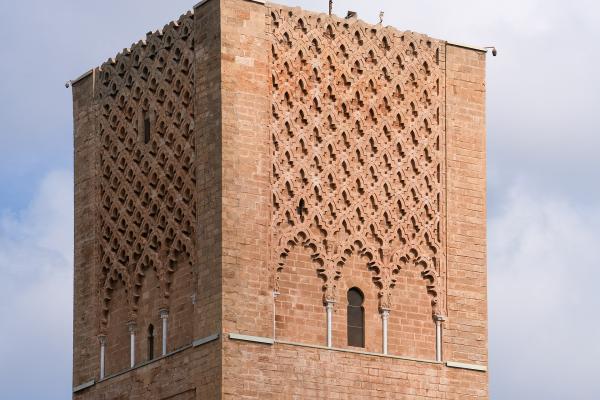
The tower is built of red sandstone and has a square plan, with each face decorated by different panels of interlaced arches and geometric designs. Inside, instead of stairs, a ramp winds upward, a feature of Almohad minarets that allowed the muezzin to ride a horse or mule to the top. The surviving shaft looks heavy and powerful, and the contrast between its warm colour and the sky makes it a favourite subject for photographs, especially in the evening. The unfinished top gives it a blunt silhouette that is unlike the finished minarets of the same dynasty.
Architecturally, the family resemblance is visible. The Koutoubia Mosque in Marrakech and the Giralda in Seville are products of the same Almohad building tradition and share proportions and decorative principles, and standing at the Hassan Tower is a way to understand what the three towers had in common. The Sultan’s ambitions extended across North Africa and Al-Andalus, and these great minarets were statements of that reach.
The site is more than the tower. Hundreds of columns of different heights stand on the esplanade, marking the layout of the prayer hall, and walking among them gives a sense of how vast the mosque would have been. The great earthquake of 1755, felt throughout the region after striking Lisbon, is generally blamed for part of the later damage to the structure. Across the esplanade stands the mausoleum of Mohammed V, built in the twentieth century in a traditional style with green tiled roof, and ceremonial guards in colourful uniforms often stand at its entrance.
Visit in the early morning or at sunset for the best light and the fewest crowds. The open esplanade has little shade, so bring water and a hat. Check current opening arrangements locally. The Tower suits history readers, photographers and anyone interested in Rabat’s identity and Morocco’s medieval past, and it combines naturally with the Kasbah des Oudaias and the Chellah in a day of sightseeing in the capital, a city whose skyline has long been defined by this single unfinished silhouette.
Categories
More photos coming soon
Opening Hours
- Open
- Daily 9 a.m. to 6 p.m.
Hours and prices change, especially out of season. Check with the venue before you go.
Nearby Attractions
Other places to visit in Rabat
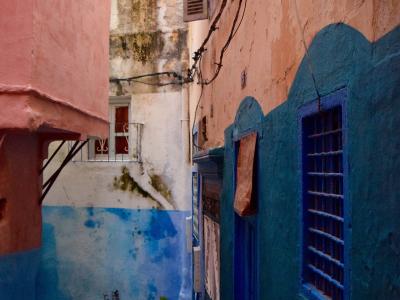
Oudaias Craft Museum
Ethnographic museum in Andalusian Kasbah
Local Crafts · Museums
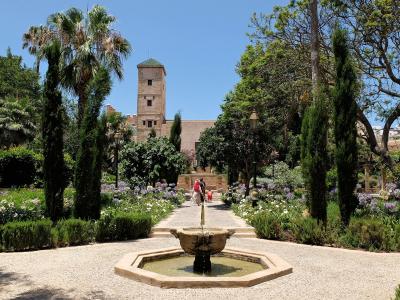
Andalusian Gardens
Terraced Spanish-Moorish garden in the 17th-century Kasbah
Architecture · Gardens
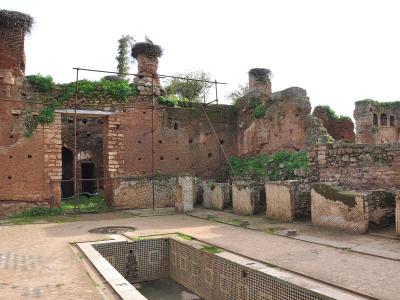
Chellah Necropolis
Roman ruins and Merinid tombs in Rabat
Cultural Experiences · History & Heritage
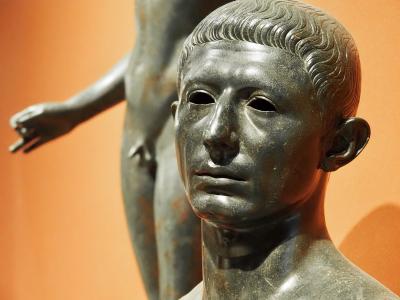
Archaeological Museum of Rabat
1932 museum housing rare Roman bronzes
Cultural Experiences · History & Heritage
Questions people ask
Quick Facts
Best Time to Visit
Visit in spring or autumn for mild temperatures ideal for exploring historic sites and coastal areas comfortably.