







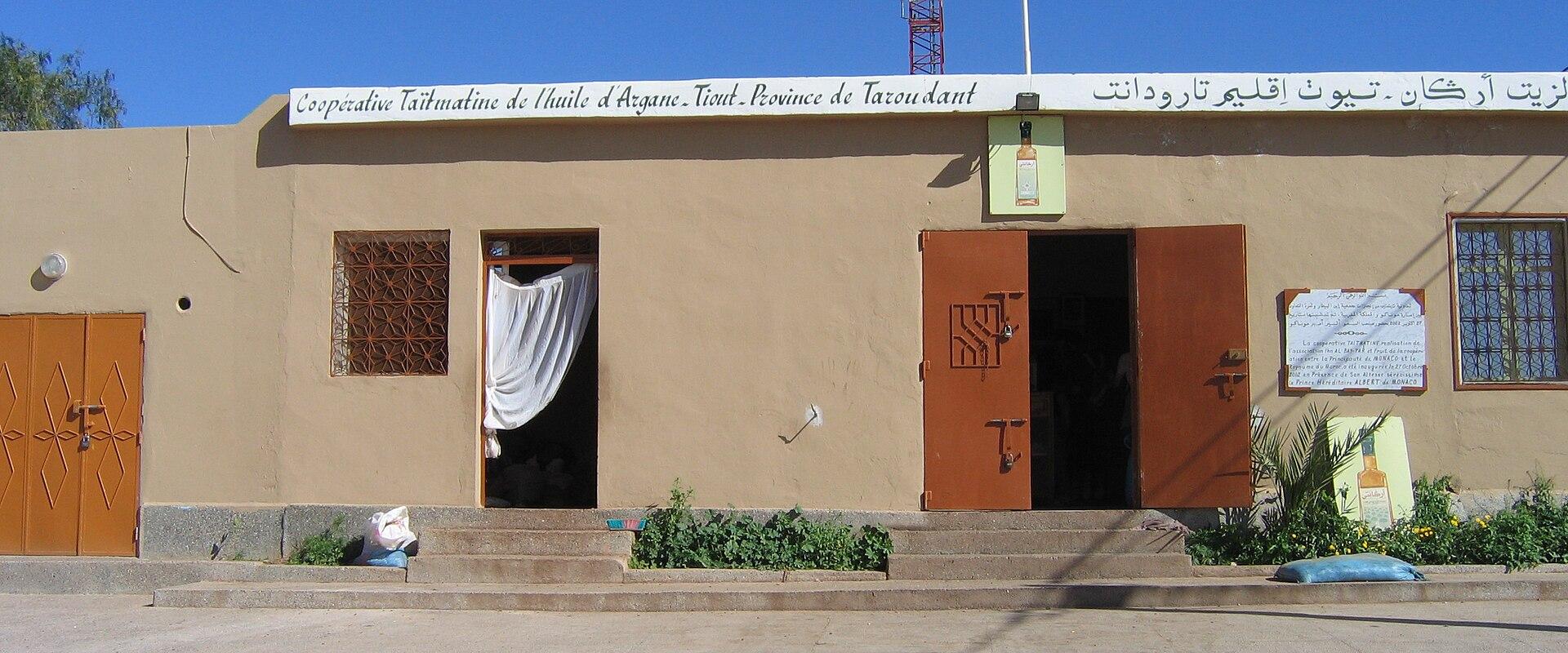
Argan Cooperatives
Women-run cooperative producing organic argan oil in Taro...
- Admission
- Free admission
- Where
- Taroudant, Souss-Massa
- Directions
- Directions
Argan cooperatives around Taroudant are small workshops, usually run by groups of local women, where argan oil is made by hand and sold directly to visitors. Taroudant sits at the centre of the Souss region, and the argan country that stretches across the triangle formed by Agadir, Essaouira and Taroudant is the only place in the world where the argan tree grows naturally. Visiting a cooperative is the easiest way to see what goes into a bottle of oil, and it puts money in the hands of the people who do the work, which is the reason the idea has grown so popular.
The cooperative movement took off in the 1990s, when researchers and development groups began to help rural women organise themselves to produce and market argan oil for export. Until then, the work was done at home for family use and local sale, and women had little control over the profits. A cooperative gives them a shared workshop, fair prices, training and a regular income, and many members have used the earnings to send children to school or to start small businesses. Moroccan argan oil carries a protected geographical indication, which sets standards for where and how it is made, and the label is a sign that the product comes from the traditional region.
A visit usually follows the stages of production. Fruit collected from the ground, since the tree is not shaken, is dried and the fleshy outer layer removed. Women then crack the hard nut by hand between two stones, a skill that takes years to master, to extract the small kernels, which are the source of the oil. For culinary oil, the kernels are lightly roasted, then ground into a paste and pressed or kneaded with a little water, while for cosmetic oil the kernels are pressed raw, and the result is paler and neutral in scent. You can watch each step, taste the nutty culinary oil on bread and sample the sweet spread called Amlou, made with ground almonds, honey and argan oil. The cooperatives also sell soaps, creams and hair products.
Practical advice is to distinguish true cooperatives from roadside shops that use the word to attract coaches, since some pay commissions to drivers and guides and charge inflated prices. Ask whether the women are members, whether the oil is pressed on site and what the label says. Prices vary, and they are higher for culinary oil because roasting and extra steps are involved, so compare and check that bottles are sealed. Visits are free and usually last half an hour or so, and buying something is expected but not obligatory.
Dress modestly, ask before photographing the women and keep a respectful distance from the work area. The visit suits families, cooks, shoppers and those interested in rural development, and it combines naturally with a day in Taroudant and the Souss Valley. A cooperative visit gives context for the argan forests that cover the hills.
Categories
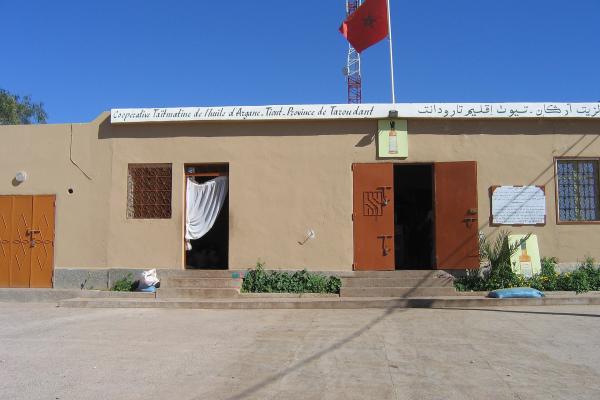
More photos coming soon
Admission Fees
- Admission
- Free admission
Hours and prices change, especially out of season. Check with the venue before you go.
Nearby Attractions
Other places to visit in Taroudant
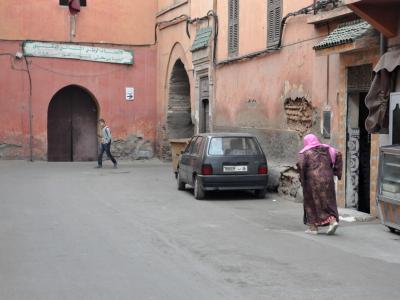
Mellah (Jewish Quarter)
Historic Jewish quarter within Taroudant's ramparts
Cultural Experiences · History & Heritage
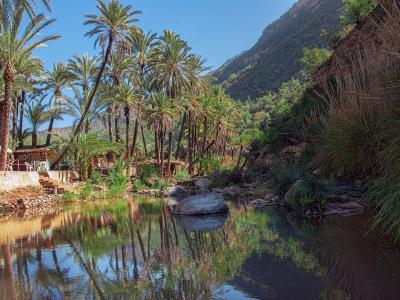
Souss Valley
Walled Berber city in the Souss Valley
Cultural Experiences · History & Heritage
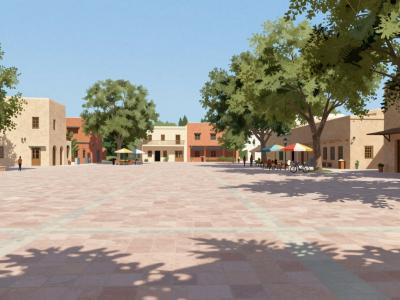
Place Assarag
Central square with cafes and occasional snake charmers
Free City Centers · Markets
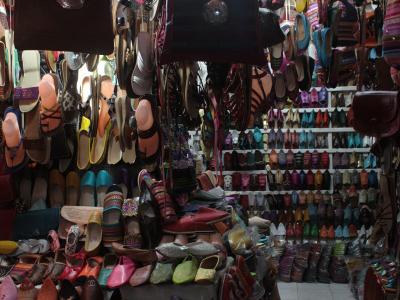
Souk El Had
Authentic local market for leather and spices
Free Local Crafts · Markets
Questions people ask
Quick Facts
Best Time to Visit
Visit between March and May or September and November for mild temperatures and comfortable conditions for exploring.