- Where
- Agadir, Souss-Massa
- Directions
- Directions
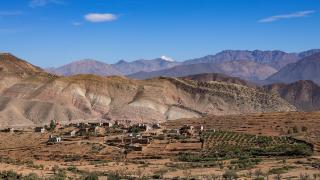
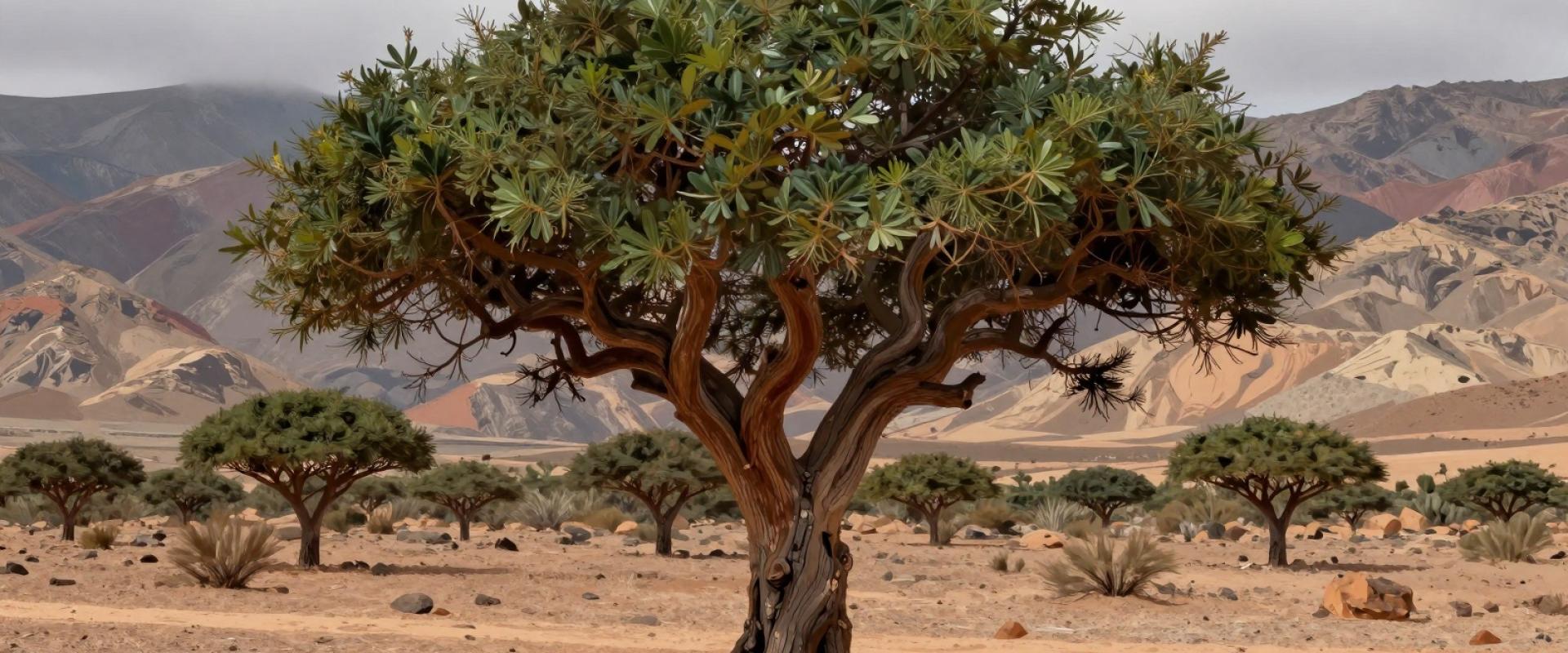
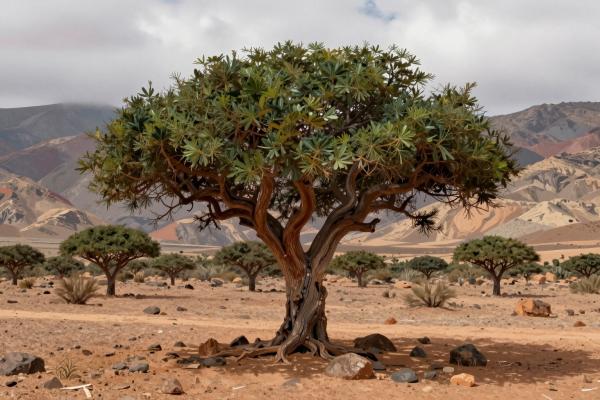
The Argan Forests of Ida-Ou-Tanane lie in the Western High Atlas Mountains of Morocco, inland from Agadir, and they are part of the only natural habitat of the argan tree in the world. Argan, Argania spinosa, is a tough, thorny tree that grows only in the semi-arid southwest of the country, in a belt that stretches from the Atlantic coast around Essaouira to the Souss valley and the foothills of the Anti-Atlas. It is an ancient survivor, adapted to heat and drought by long roots that tap deep groundwater, and it has been protected as part of a UNESCO biosphere reserve since 1998, in recognition of the unique relationship between the tree, the land and the people who depend on it.
The forests are not woods in the European sense. Argan trees grow scattered across the rocky hillsides, each separate from the next, with low, twisted trunks and dense crowns that cast pools of shade. They reach perhaps eight to ten metres, and some are several centuries old. In the dry season the landscape looks barren, but the trees stay green, and in spring they bear small yellow-green fruits. A famous sight is goats climbing the branches to eat the leaves and fruit, balanced among the twigs like birds. Locals say that the goats help spread the seeds, though the story is also a favourite for photographs, and some stunts for tourists are staged, so treat roadside displays with scepticism.
The tree supports an entire economy. Women in Amazigh (Berber) villages collect the fruit, dry it, crack the hard nuts between stones and extract the kernels by hand, a skill passed down through generations. The kernels are roasted and ground for culinary oil or pressed unroasted for cosmetic oil, and the paste left over is used to make amlou, a spread of argan, almonds and honey. Cooperatives, mostly run by women, have grown across the region, providing income and some independence, and many welcome visitors for a demonstration. Buying directly supports the families, but check that the cooperative is genuine, and be cautious of very cheap oil.
Visitors should respect the environment: stay on tracks, do not pick fruit or climb the trees and avoid disturbing livestock. The best time to visit is spring, when the countryside is green and the trees are in fruit, and mornings are best for light. A local guide from Imouzzer or a village can show the forest and explain how it works, and some arrange visits to cooperatives. Dress modestly and ask before photographing people.
The forests suit walkers, photographers, families and anyone interested in sustainable farming and local crafts. They combine well with the honey roads and waterfalls of Ida-Ou-Tanane and with the coast at Agadir, and they give a clear picture of a landscape shaped by one remarkable tree.
More photos coming soon
Nearby Attractions
Other places to visit in Agadir
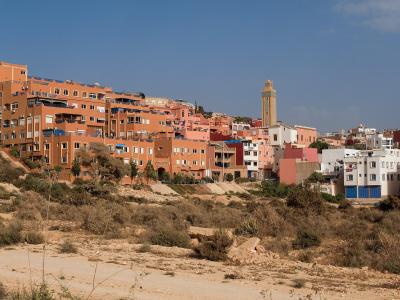
Tamraght Village
Relaxed Atlantic village with authentic culture and surf
Activities & Adventure · Coastal & Maritime
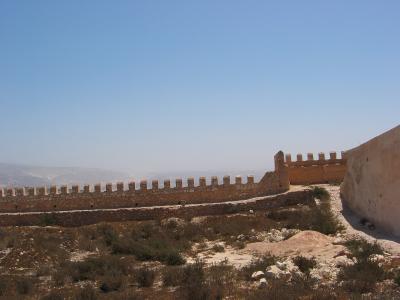
Kasbah of Agadir
16th-century fortress with panoramic city views
History & Heritage · Traditional Culture
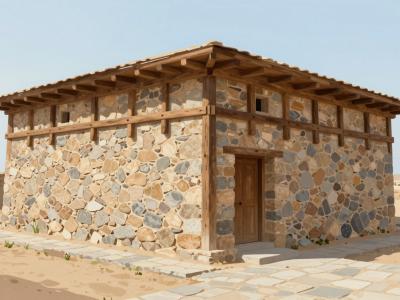
Agadir Museum
Museum dedicated to the 1960 Agadir earthquake
Cultural Experiences · History & Heritage
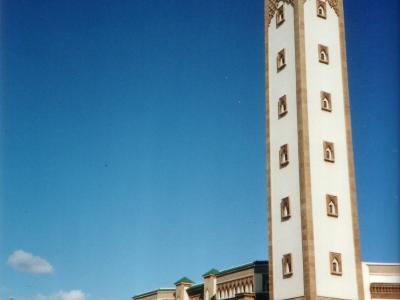
Mosque of Agadir
Largest mosque in Agadir, built in 1960
Architecture · Religious Sites
Questions people ask
Quick Facts
Best Time to Visit
All year for sun: January highs average about 21 °C and August about 27 °C. Most of the little rain falls from November to March; the sea is warmest (about 23 °C) in September and October.