







- Admission
- Free
- Hours
- Open all day
- Where
- Marrakech, Marrakech-Safi
- Directions
- Directions
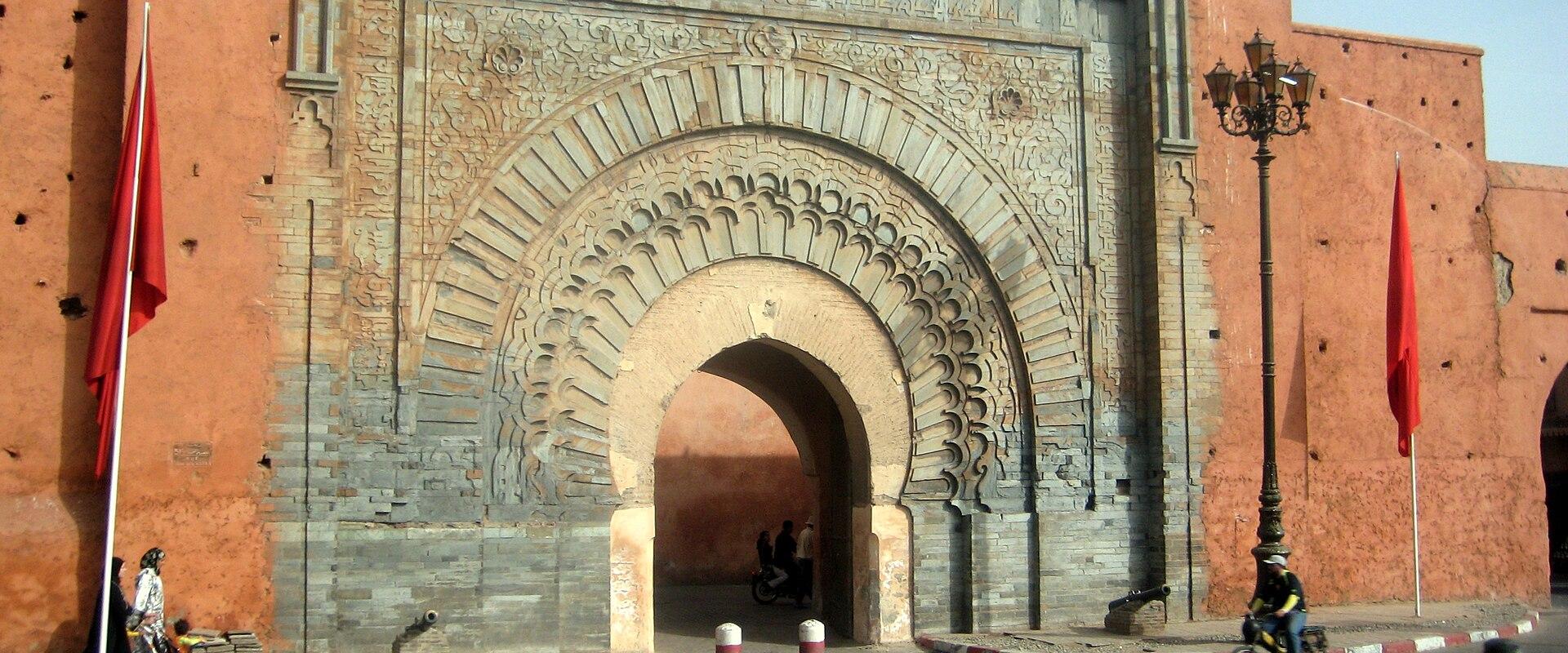
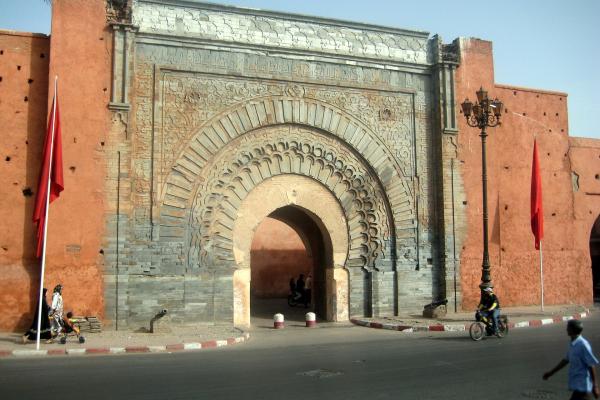
Bab Agnaou, often known as the "Gate of the Palace", is a significant historical landmark in Marrakech. Constructed between 1188 and 1190 during the reign of Abu Yusuf al-Mansur, this structure was built as the main entrance to the royal quarter. The gate is a notable example of Almohad architecture, characterized by intricate stone carvings and floral motifs that adorn its facade. The use of sandstone in its construction adds to its visual appeal, while the detailed inscriptions reflect the artistic sophistication of the era.
Visitors often pause to appreciate the gate's intricate details, taking time to photograph the structure and absorb the historical atmosphere. The gate is open daily, allowing access for those interested in its historical significance. Located within the medina, the site is easily accessible, with nearby attractions including the Saadian Tombs and the Kasbah Mosque. The gate's enduring presence offers a glimpse into Marrakech's rich history, providing a meaningful stop for visitors exploring the city. The combination of historical context and architectural beauty makes it a notable destination for those interested in the cultural heritage of the region.
Despite its name, the gate actually leads into the Kasbah, the walled royal quarter built by the Almohads in the south of the medina, which contained the palace, barracks and mosque of the rulers. Its carved stone arch, framed by bands of Kufic inscription and decorated with shell and plant motifs, stands out among the city's mostly earthen walls, which are built of red pisé, a rammed earth that gives Marrakech its nickname, the Red City.
Inside the Kasbah, the Kasbah Mosque, also built under the Almohads in the late twelfth century, has a minaret decorated with green tiles. Behind it lie the Saadian Tombs, the burial place of the sultans of the Saadian dynasty, which were sealed off for centuries and rediscovered in 1917; their Hall of the Twelve Columns is richly decorated with carved cedar and marble. The ruins of the El Badi Palace, built in the late sixteenth century and later stripped of its treasures, are a short walk away, and storks nest on its walls. The gate is especially beautiful in the late afternoon, when the low sun lights up the carved stone.
Categories
More photos coming soon
Hours & Fees
- Open
- Open all day
- Admission
- Free
Hours and prices change, especially out of season. Check with the venue before you go.
Nearby Attractions
Other places to visit in Marrakech
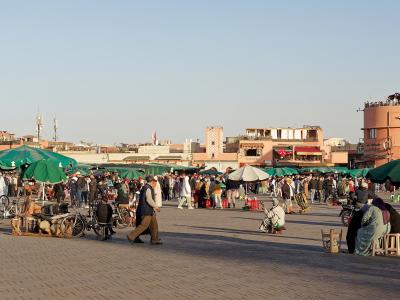
Jemaa el-Fnaa
Historic square and UNESCO intangible heritage site
City Centers · Town Squares
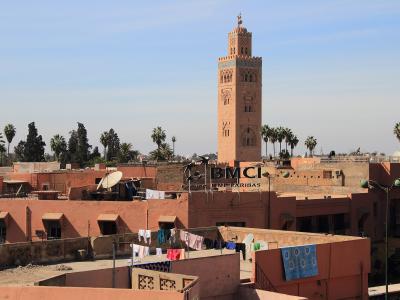
Koutoubia Mosque
12th-century Almohad minaret in Marrakech
Free Architecture · Historic Towns
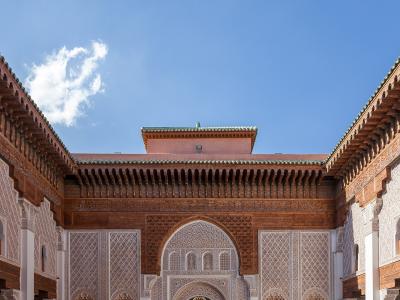
Ben Youssef Madrasa
16th-century Islamic school in Marrakech
Cultural Experiences · History & Heritage
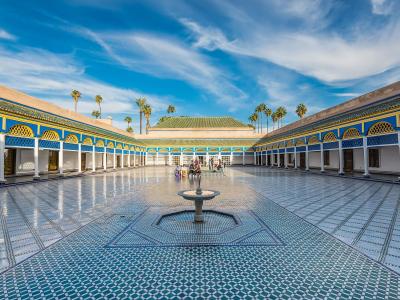
Bahia Palace
19th-century palace with stunning mosaics and gardens
Cultural Experiences · History & Heritage
Questions people ask
Quick Facts
Best Time to Visit
Visit in spring or autumn for mild temperatures ideal for exploring the medina and gardens.