

Bahia Palace
19th-century palace with stunning mosaics and gardens
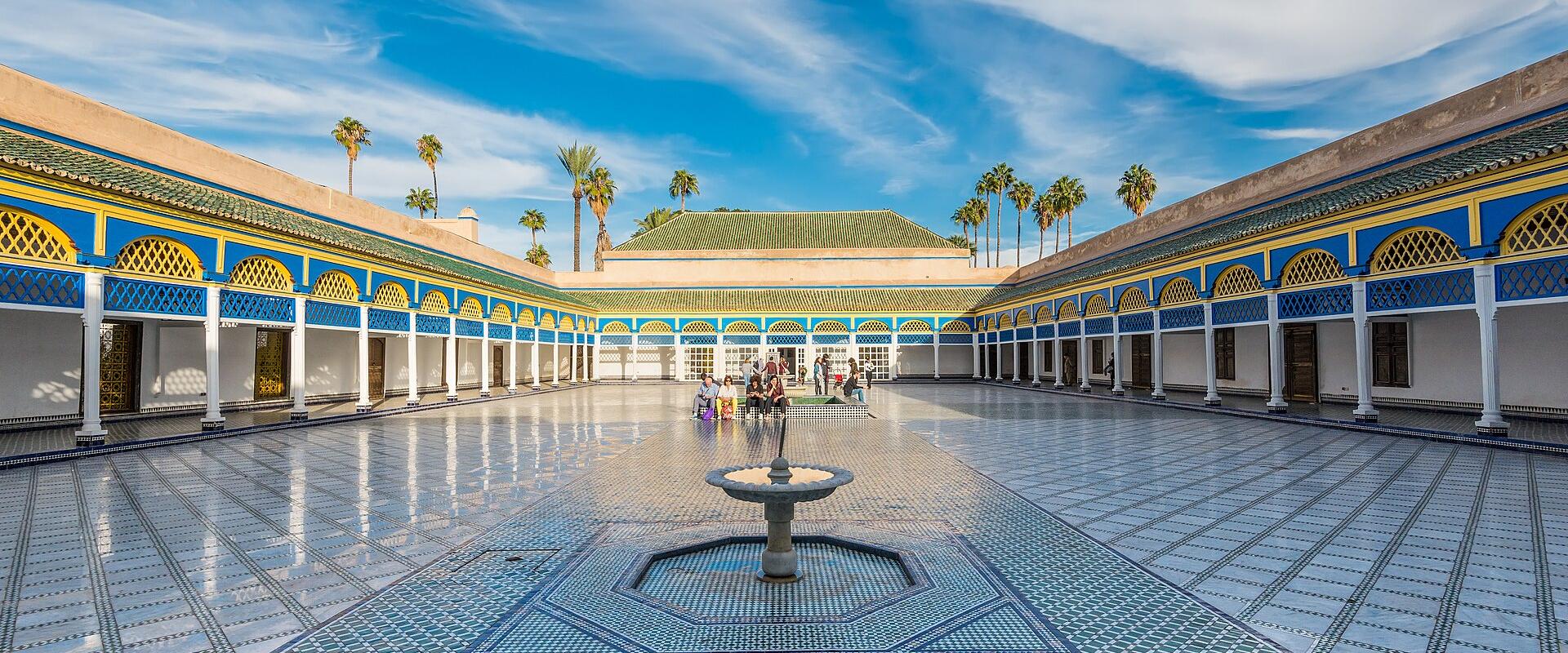
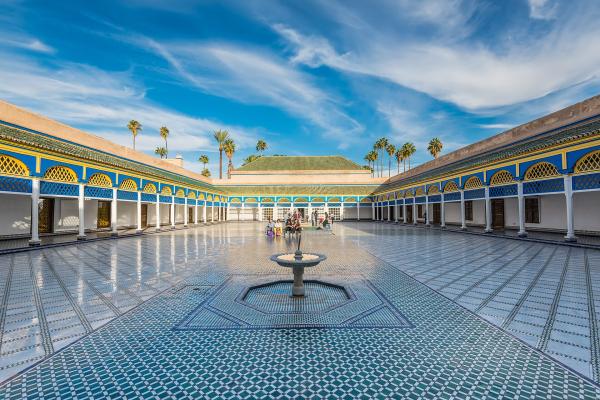
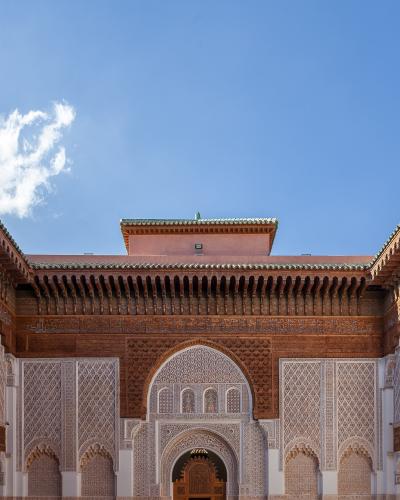
The Bahia Palace in Marrakech offers a fascinating glimpse into the opulent lifestyle of Morocco’s late 19th-century elite. Constructed at the end of the 1800s by Si Moussa, the grand vizier to the Sultan, and later expanded by his successor Abu Ahmed, the name "Bahia" translates to "brilliance" in Arabic. The palace was designed to be the greatest of its time, exemplifying Islamic and Moroccan architectural styles through stunning stuccos, paintings, mosaics, and intricate woodwork.
Visitors explore a complex layout that includes distinct sections for administrative purposes, private dining rooms, and quarters for four wives, who held equal status. The grounds also feature living quarters for 24 concubines, a school, and a harem area centered around a tranquil basin. A highlight of the visit is the 2-acre garden, which provides a serene contrast to the ornate interior spaces. The palace served as a royal residence until 1956, when Morocco gained independence. King Hassan II subsequently transferred the site to the Ministry of Culture, preserving it as a cultural icon and tourist attraction.
The visitor experience is characterized by wandering through a series of courtyards and rooms that showcase the precision of Moroccan craftsmanship. Timed ticket access is available to manage visitor flow, though specific opening hours and entrance fees vary and should be checked prior to arrival. The palace is located within the Medina, requiring some navigation through surrounding alleys. This destination appeals to those interested in royal history, architectural detail, and the social structures of historical Morocco, offering a peaceful retreat from the bustling souks nearby.
More photos coming soon
Nearby Attractions
Other places to visit in Marrakech
Frequently Asked Questions
Quick Facts
Best Time to Visit
Visit in spring or autumn for mild temperatures ideal for exploring the medina and gardens.