







- Where
- Imlil, Marrakech-Safi
- Directions
- Directions
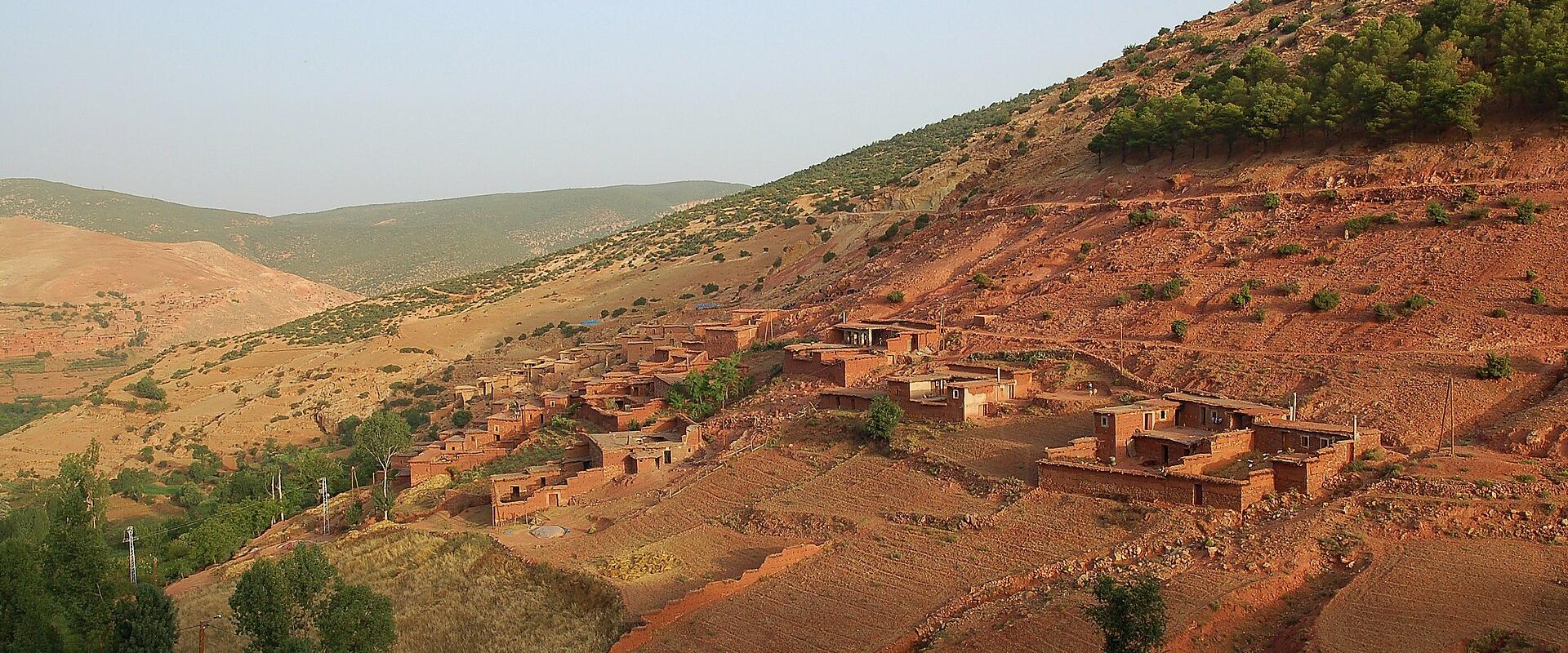
The Berber Villages of the High Atlas are scattered through the valleys of the mountain range of Morocco, south of Marrakech, and they are best understood as a way of life rather than a single place. The Amazigh communities who live here have farmed terraced slopes, grazed flocks on high pastures and shared water through carefully managed channels for many centuries. The Toubkal region, bounded by the Tizi n’Test pass to the west and the Tizi N'tichka pass, also called the Tichka pass, to the east, is the best-known area for visitors, and it contains a web of hamlets linked by mule tracks. Here you can see a way of living that has adapted to altitude, snow and steep terrain without losing its coherence.
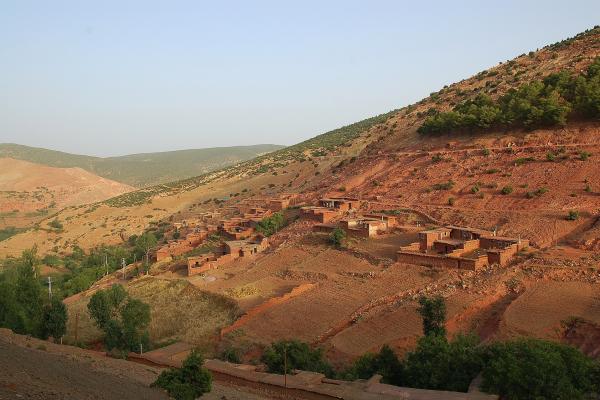
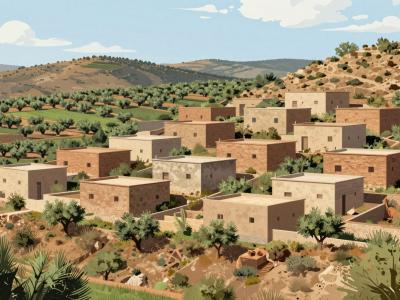
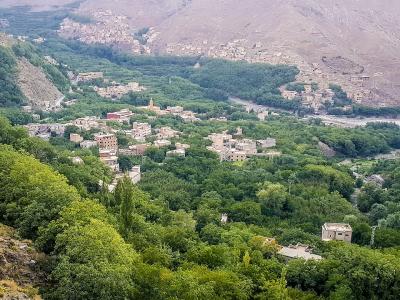
The villages share a common look. Houses of stone and earth, often three storeys high, climb the hillside in clusters, their flat roofs used for drying walnuts, apples and laundry. Beneath them are terraces of barley, potatoes and vegetables, edged by walnut and poplar trees along the river. Each village has a mosque, a communal threshing floor and often a shared oven, and many have a council of elders that settles questions about water and grazing. Many families also practise transhumance, moving their flocks to higher pastures in summer, so the population of some hamlets shifts through the year.
Trekking is the best way to meet them. Routes link villages in the valleys around Imlil Village, the Imnane Valley and other areas, and they can be walked in a few hours or over several days, with mules carrying baggage. Most travellers stay in guesthouses run by local families, sharing meals of tagine, bread and mint tea and learning about daily life. Hospitality is generous, and it is customary to accept tea and to leave a fair payment for food and lodging. Trekking is demanding, with steep climbs and altitude, and the best seasons are from May to November, when snow has melted from the passes, although conditions vary.
Visitors should travel with a local guide, who can arrange accommodation, interpret and keep you safe, and in doing so support the village economy. Dress modestly, particularly in villages, ask before taking photographs and avoid giving sweets or money to children, which encourages begging. While the landscapes are beautiful, remember that these are working communities with limited resources, so buy supplies locally and take rubbish away.
The villages suit walkers, photographers and travellers interested in rural culture, and they offer a window into the heritage of Morocco’s indigenous Amazigh people. The easiest base is Marrakech, from which many trips begin and end, though a few days in the mountains give a much fuller sense of the region. The Atlas Mountains here are among the most rewarding in North Africa.
Categories
More photos coming soon
Nearby Attractions
Other places to visit in Imlil
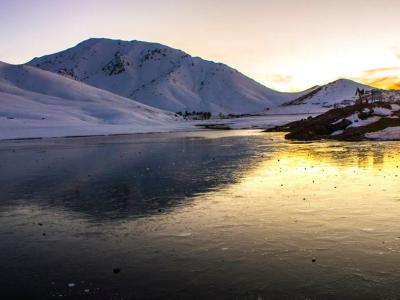
Mount Toubkal
Highest peak in Morocco at 4,167 meters
Activities & Adventure · Natural Wonders
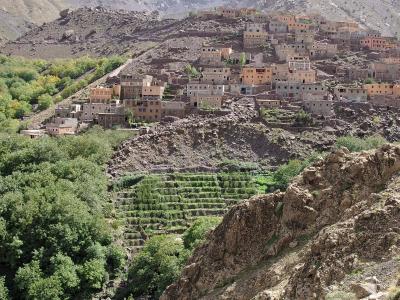
Toubkal National Park
Highest peak in North Africa, accessible from Imlil
Activities & Adventure · Natural Wonders
Imlil Village
Berber village at 1,800m near Mount Toubkal
Activities & Adventure · Cultural Experiences
Imlil Village Center
High Atlas gateway with paved access
Hiking · Town Squares
Questions people ask
Quick Facts
Best Time to Visit
Visit in spring or autumn for mild temperatures ideal for hiking and climbing Mount Toubkal comfortably.