







- Where
- Imlil, Marrakech-Safi
- Directions
- Directions
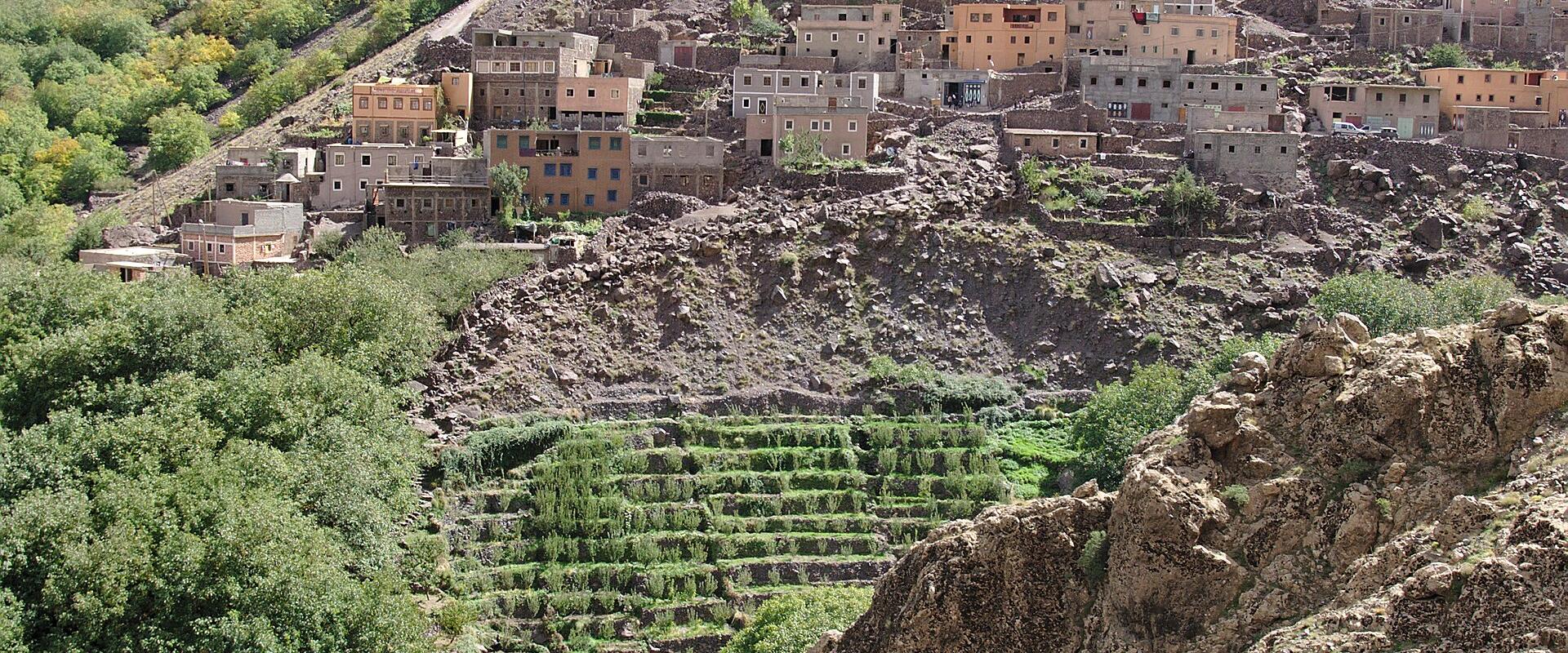
Toubkal National Park protects the highest part of the High Atlas Mountains, south of Marrakech, and its centrepiece is Jbel Toubkal, which at 4,167 metres is the highest summit in Morocco, North Africa and, by the usual reckoning, the Arab world. The park was created in 1942, which makes it one of the oldest protected areas in the country, and it covers roughly 380 square kilometres of steep valleys, ridges and high plateaus. Most visitors know it only as the way to the summit, but the park is also a working landscape of villages, terraces and pastures, where conservation and daily life are closely entwined.
The geography is dramatic and varied. Valleys such as the Mizane and the Azzaden climb from walnut and apple orchards at about 1,700 metres to bare scree and rock above 3,000 metres, and snow lies on the summits for much of the year. Vegetation changes with altitude, from irrigated gardens through juniper and holm oak to alpine cushion plants that survive in the harsh conditions of the high ground. The park shelters mountain wildlife that includes raptors and other birds, small mammals and reptiles, and its streams feed the farming plains below. Nearby Oukaïmeden, a high plateau known for skiing in winter, also has prehistoric rock engravings, some of which have been damaged over time.
Imlil, a village at about 1,740 metres some sixty kilometres from Marrakech, is the gateway. Mule paths and walking trails fan out from it to hamlets, passes and refuges, and the village has guesthouses, cafés and guide offices. The standard ascent of Toubkal takes two days, with a night at a mountain refuge, but there are many other walks, from easy half-day strolls between villages to multi-day circuits crossing high passes. Berber families who live here maintain irrigation, graze flocks and run small guesthouses, and staying with them is one of the best ways to understand the mountain environment. An information centre and small ecomuseum in the Imlil area explain the park's natural and human history.
Visiting responsibly matters in a protected area under pressure from tourism. Stay on paths, carry out all rubbish, avoid disturbing wildlife and use local guides and muleteers, which supports the community. Weather changes quickly, with snow possible outside summer, so check conditions, bring layers and carry enough water.
The park suits walkers, climbers, families who enjoy mountain scenery and travellers who want a break from the cities. Spring and autumn are the most comfortable seasons for walking, while winter brings a different challenge for those with the right skills. It combines easily with Marrakech, which lies only a morning's drive away, and offers a very different Morocco from the plains and deserts.
Categories
More photos coming soon
Nearby Attractions
Other places to visit in Imlil
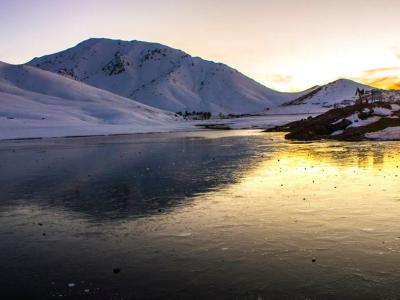
Mount Toubkal
Highest peak in Morocco at 4,167 meters
Activities & Adventure · Natural Wonders
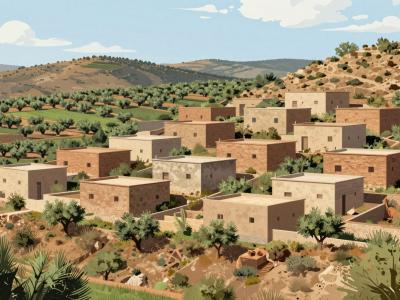
Imlil Village
Berber village at 1,800m near Mount Toubkal
Activities & Adventure · Cultural Experiences
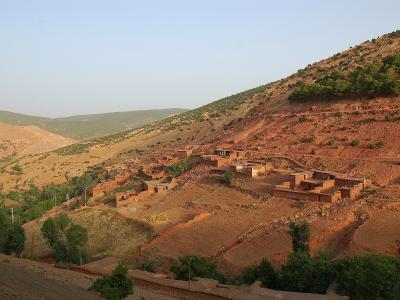
Berber Villages of the High Atlas
High Atlas Berber villages at Tizi N'tichka pass
Hiking · Mountains
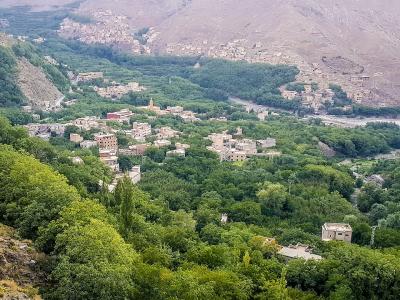
Imlil Village Center
High Atlas gateway with paved access
Hiking · Town Squares
Questions people ask
Quick Facts
Best Time to Visit
Visit in spring or autumn for mild temperatures ideal for hiking and climbing Mount Toubkal comfortably.