



- Where
- El Jadida, Casablanca-Settat
- Directions
- Directions
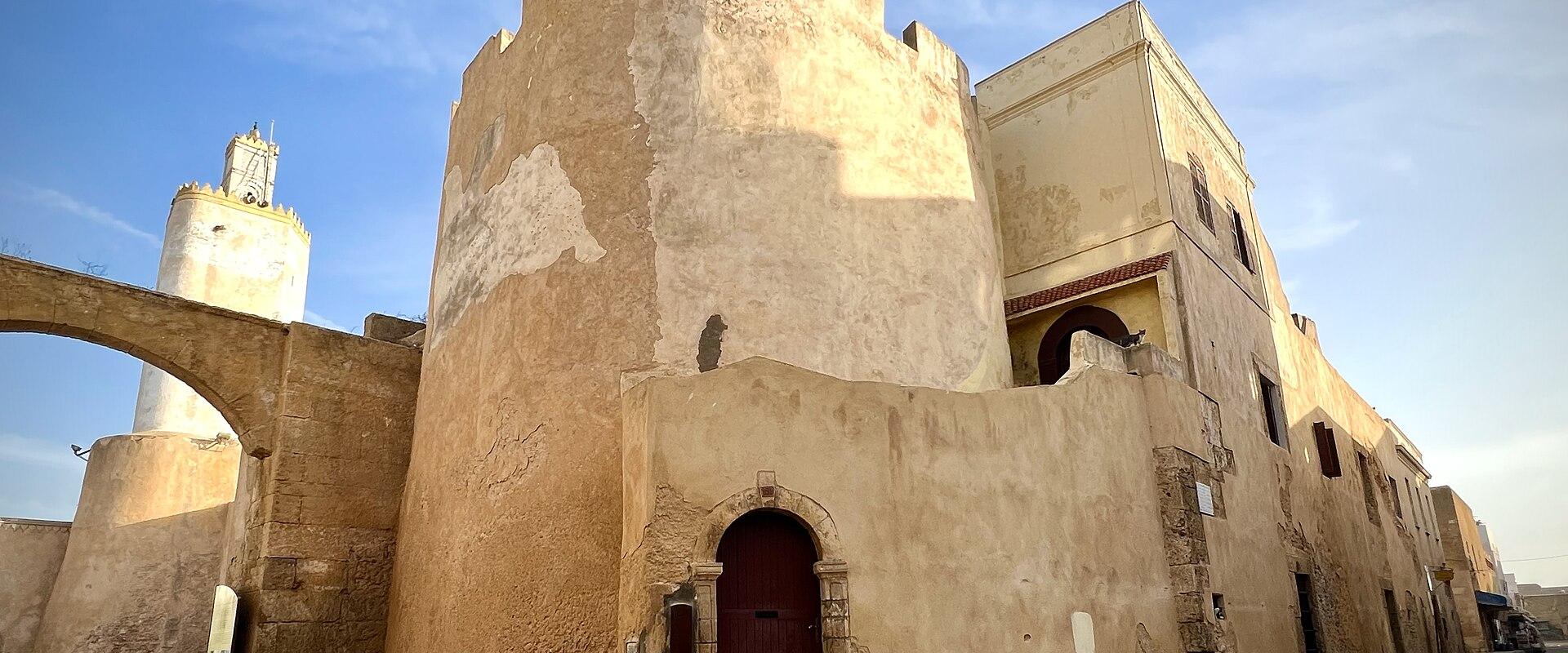
The Cité Portugaise is the old walled Portuguese town at the centre of El Jadida, on the Atlantic coast, and it is a UNESCO World Heritage Site because of the way it shows how European and Moroccan cultures met on the coast. The Portuguese began building the fortified settlement in 1514, naming it Mazagan, as one of a chain of strongholds along the coast of Morocco intended to protect trade routes and provide bases for their ships. Its design was ahead of its time. Instead of medieval towers, the builders used low, thick ramparts with angled bastions, an early example of the star-shaped fortification suited to artillery, and the layout was influenced by Renaissance ideas of military engineering.
The town survived under Portuguese control for more than two and a half centuries, until a siege by the army of the Moroccan sultan Mohammed ben Abdallah forced its evacuation in 1769. The departing Portuguese left behind the walls, the cistern, a church and a handful of buildings, and the town was then resettled and renamed El Jadida, meaning the new. The Jewish community, who had been trading with the Portuguese, and Muslim families who settled in the abandoned fortress gave it a mixed character that persists today. UNESCO recognised it as an outstanding example of the interchange of influences between European and Moroccan cultures.
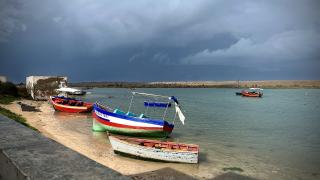
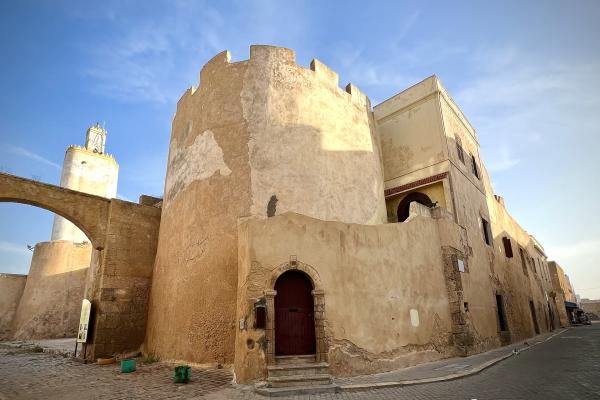
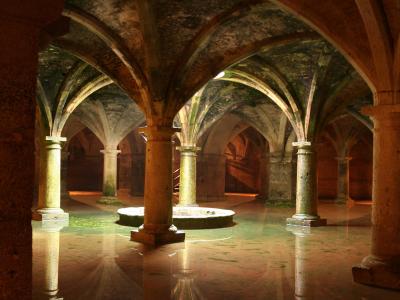
Visitors enter by the sea gate, a narrow passage through the walls beside the harbour, and emerge into a quiet network of lanes within the fortifications. The ramparts are the highlight: you can walk along the top, past bastions named after saints, with views over the sea, the fishing boats and the roofs of the old town. The Atlantic Ocean breaks on the rocks below, and sunset from the walls is a pleasure. Inside, the Church of the Assumption, a Portuguese building with Gothic and Manueline touches, is one of the few surviving examples of the style in Morocco, and the vaulted cistern, famous for its reflections, lies nearby.
The atmosphere within the walls is calm. Narrow streets are lined with whitewashed houses, small shops and a few cafés, and residents still live here, so respect privacy and keep voices low. Check opening arrangements for the cistern and church, since they vary. A visit takes about two hours, and the town is easily reached from Casablanca, about ninety kilometres to the northeast, by road or train.
The Cité suits readers of colonial and military history, architecture lovers and photographers. It combines with the beaches of El Jadida and the old Jewish quarter, and with the nearby medina of Azemmour, which has its own Portuguese walls. As a place where one of the first European outposts in Africa still stands, it gives a clear picture of the Atlantic coast’s past.
Categories
More photos coming soon
Nearby Attractions
Other places to visit in El Jadida
Questions people ask
Quick Facts
Best Time to Visit
Visit in spring or autumn for mild temperatures ideal for exploring the citadel and coastal areas comfortably.