- Where
- Fez, Fes-Meknes
- Directions
- Directions
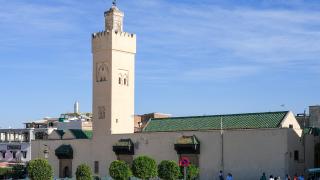
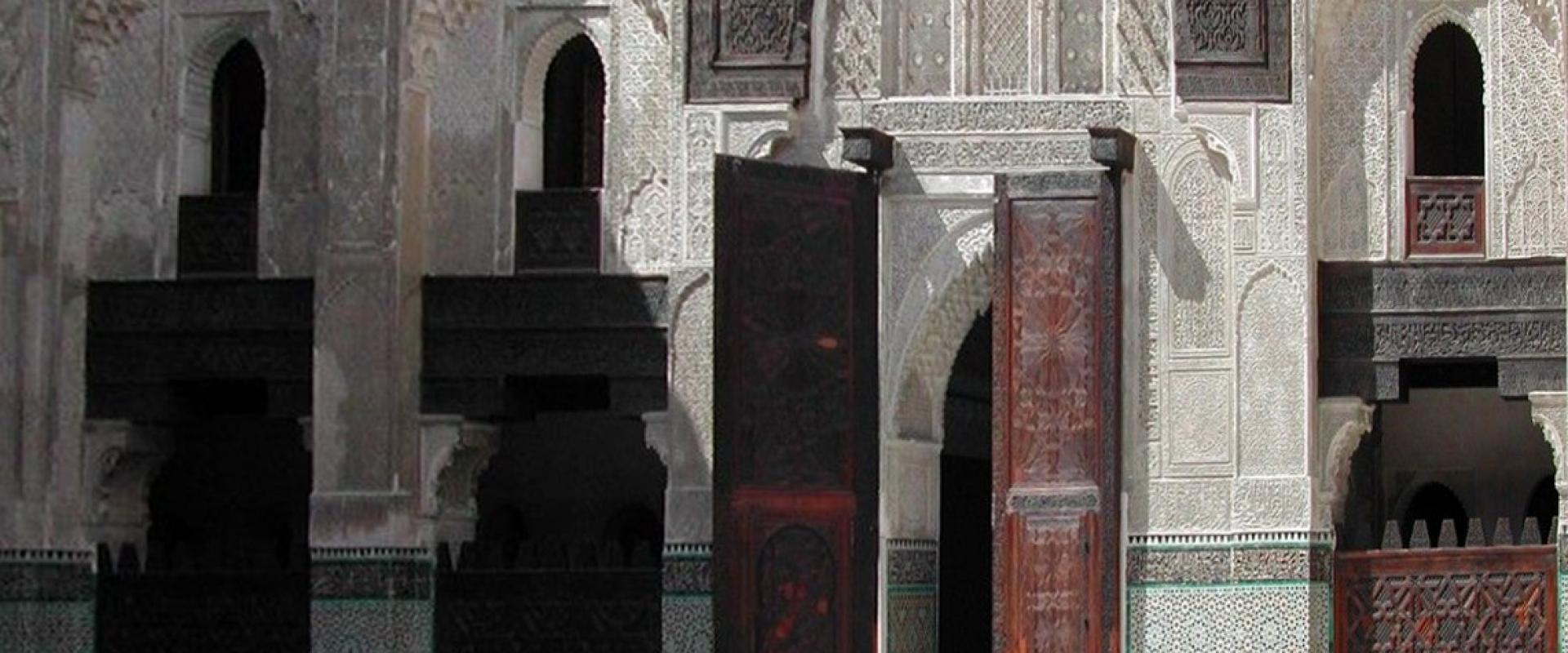
Fez has long been regarded as the spiritual capital of Morocco, and its sacred sites are spread through the old city and the hills around it. The medina, Fez-El-Bali, a UNESCO World Heritage listing, is the best place to begin. The Quaraouiyin Mosque and its university, founded in the ninth century, is the intellectual and religious centre of the old city, and the lanes around it are lined with madrasas, fountains and small mosques. Entry to the main prayer halls is reserved for Muslims, but visitors can walk around the exterior and see the carved doors and the green tiled roofs that mark the building's outline. The sacred and the everyday are tightly interwoven here, with shops, workshops and homes pressed against the walls of mosques.
Other shrines shape the religious geography of the city. The zawiya of Moulay Idriss II, the founder of Fez in the early ninth century, is the most revered, and it sits near Place Nejjarine. A wooden beam across the entrance lane keeps carts and animals away, a sign of respect, and the area is often busy with pilgrims. The zawiya of Sidi Ahmed Tijani honours the founder of the Tijaniyya Sufi order, which has followers across West Africa, and it draws pilgrims from far beyond Morocco. These sites are active places of worship, so most visitors will see them only from the doorway, but the atmosphere of devotion is apparent.
The city's religious history is not only Muslim. Fez was home to an important Jewish community for centuries, and the Mellah in Fes el-Jdid still has synagogues, among them the Ibn Danan synagogue, and a large Jewish cemetery with whitewashed tombs that spread across the hillside. These places form part of the story of Morocco's religious diversity and are open to respectful visitors. Outside the walls, the ruined Merinid Tombs stand on a hill to the north, a series of broken arches and walls left from a royal necropolis built by the Merinids, the dynasty in the fourteenth century. They are not much to look at in detail, but the hill gives one of the best panoramas of the city, especially at sunset.
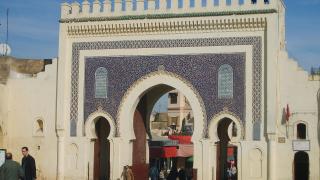
Fez also hosts the Festival of World Sacred Music, which has been held in the city since the 1990s and brings performers from many religious traditions to historic venues, adding a contemporary note to the sacred landscape. Dates have varied, so check locally if you want to attend. Visitors to the medina often combine sacred sites with other attractions, such as the Nejjarine Museum and the Bab Boujloud gate, where most walks begin.
Visitors should dress modestly, speak quietly and ask before photographing worshippers. A local guide can explain the meaning of the shrines and arrange respectful visits. The sites suit travellers interested in religious history, architecture and the spiritual character of a city that is often described as the centre of North Africa’s Islamic scholarship. Early mornings are calmest, when the lanes are quiet and the call to prayer carries across the roofs. Fez’s sacred places reward patience.
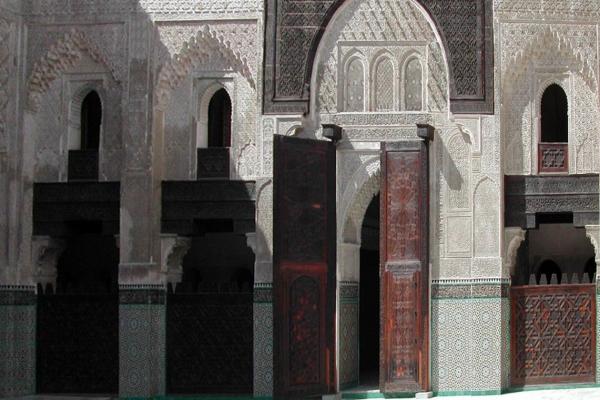
More photos coming soon
Nearby Attractions
Other places to visit in Fez
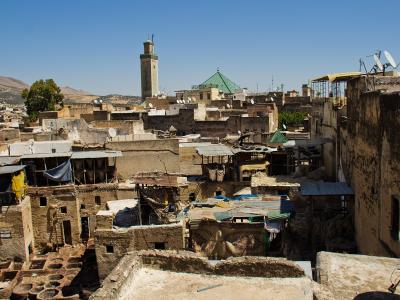
Medina of Fez el-Bali
Best-preserved medieval Arab city with 9,400 alleyways
Cultural Experiences · History & Heritage
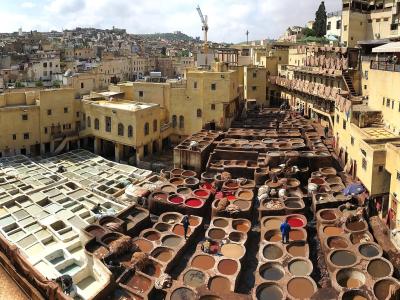
Chouara Tannery
Fes' oldest tannery with historic dye pits
Free Historic Towns · Local Crafts
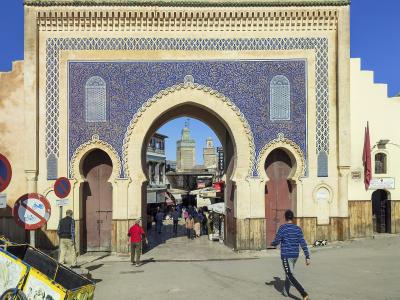
Bab Bou Jeloud
1913 French-built gate with blue mosaics
Cultural Experiences · History & Heritage
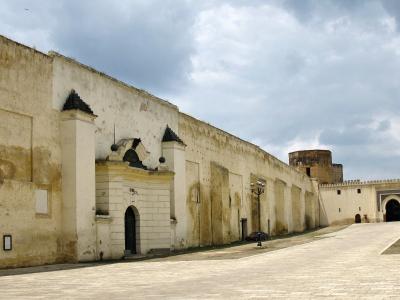
Bab Maqina
Historic military gate site in Fez Medina
Cultural Experiences · History & Heritage
Questions people ask
Quick Facts
Best Time to Visit
March to May and September to November. Summer afternoons average 35 °C in July; in January highs are about 16 °C and nights near 4 °C, and many riads are poorly heated.