







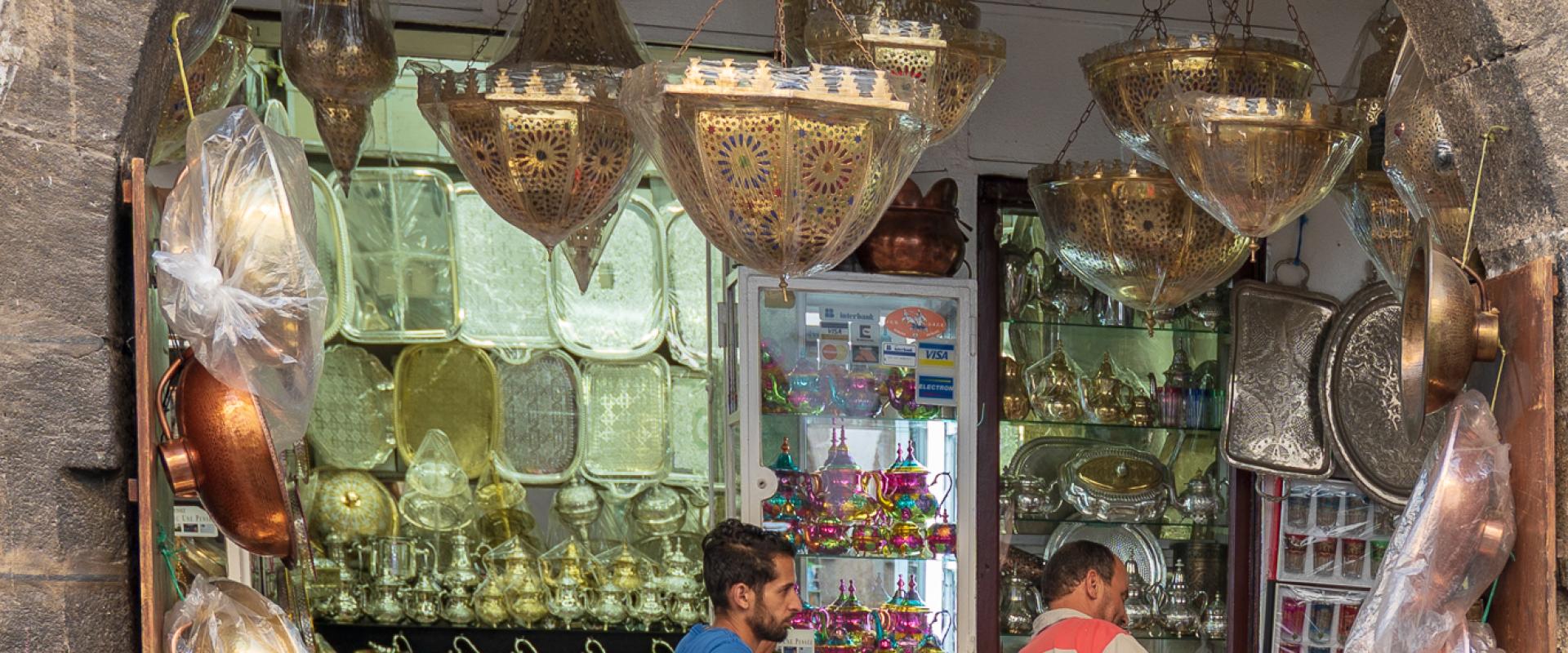
Habitations Habous
1930s neo-Moorish district blending Moroccan and colonial...
- Where
- Casablanca, Casablanca-Settat
- Directions
- Directions
The Habitations Habous, usually shortened to the Habous quarter or the New Medina, is a neighbourhood of Casablanca built in the 1930s as housing for Moroccans, and the name itself explains its purpose. Habitations means dwellings, and the project was one of the French protectorate's attempts to provide planned, orderly homes for the Moroccan population, which was growing rapidly as people moved to the city for work. The land came from habous, religious endowments, and the quarter was designed with the idea that the residents would have the comforts of modern planning within a traditional environment, rather than being pushed into crowded slums on the edge of the European city.
The design reflects that intention. The planners worked with a team of architects who studied traditional towns and created a neo-Moorish layout of covered passages, small squares, arcades and interior courtyards, all arranged on a grid that is easier to navigate than the old medina. Houses were built in blocks along narrow lanes called derbs, each with its own mosque, oven, bathhouse and fountain, so that daily needs could be met close to home. The architecture drew on Hispano-Moorish forms, with horseshoe arches, carved wooden doors, painted ceilings and tiled facades, giving the district its picturesque quality. Today the buildings have aged, and some are in need of repair, but the pattern is clear and the district remains a lived-in neighbourhood rather than a museum piece.
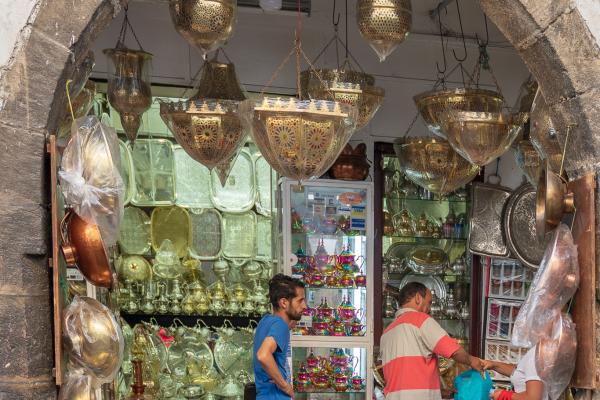
Visitors will find the pleasure is in walking and noticing. Arcaded shopping streets offer craft stores, antique dealers, shops selling babouches and fabrics, and the area is known for its bookshops, which sell religious texts, school books and novels in Arabic and French. Pastry shops are another attraction, and one of the best known sells traditional sweets such as almond pastries and gazelle horns, popular as gifts. Quiet lanes behind the main streets reveal everyday life: children playing, women carrying bread and men gathering for tea. The Mahkama du Pacha, a Hispano-Moorish building from the 1940s, is the most elaborate landmark, with carved plaster, painted wood and tilework, and it can be seen as a work of the same movement that shaped the district. A museum devoted to Moorish-Andalusian music is also associated with the quarter. Several mosques, including one of the larger ones in the city, add religious and civic focus, and a Muslim call to prayer echoes through the streets.
Practical advice is to go in the morning or late afternoon, to dress modestly and to ask before photographing residents or shopkeepers. Many shops close for a long midday break and on Fridays around prayer time. Prices are lower than in tourist souks, but bargaining is still expected for craft items. A walking visit takes about two hours.
The New Medina suits those interested in urban planning, architecture and daily life in Casablanca, and it makes a good contrast with the Old Medina and the Art Deco centre. Together they trace the stages of the city's growth.
More photos coming soon
Nearby Attractions
Other places to visit in Casablanca
Hassan II Mosque
210m minaret mosque on Atlantic promontory
Architecture · Religious Sites
Old Medina
Historic quarter with maze-like alleys and traditional souks
Free Historic Towns · Markets
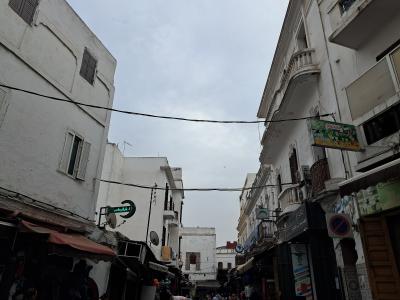
Casablanca Medina
Historic walled quarter in Morocco's largest city
Free Cultural Experiences · History & Heritage
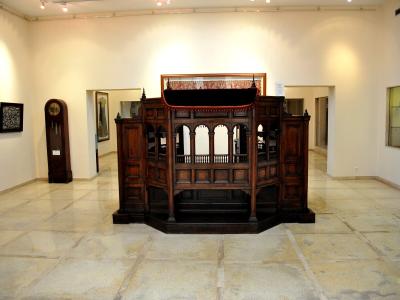
Museum Of Moroccan Judaism
Arab world's only museum dedicated to Moroccan Jewish her...
Museums · Traditional Culture
Questions people ask
Quick Facts
Best Time to Visit
Any time of year: Casablanca is mild, with January highs around 18 °C and August highs around 27 °C. Most rain falls from November to March.