







- Where
- Agadir, Souss-Massa
- Directions
- Directions
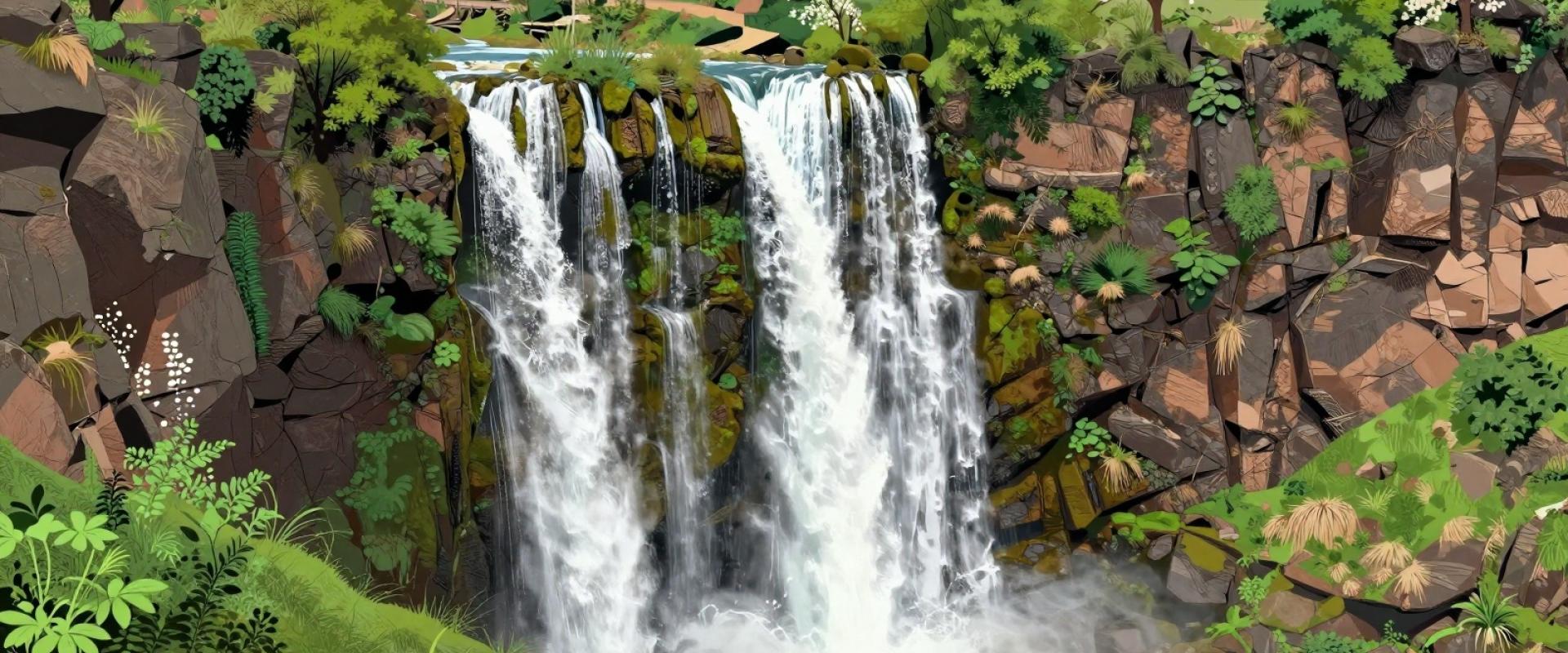
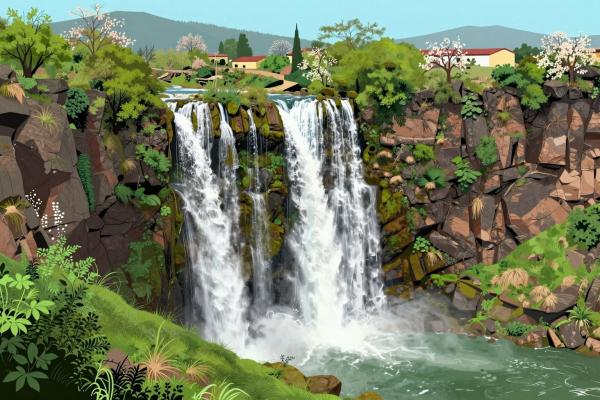
The Imouzzer Waterfalls lie beside the village of Imouzzer Ida Ou Tanane, about sixty kilometres northeast of Agadir, where a stream tumbles over a ledge of limestone on the edge of a high plateau in the Western High Atlas. They are among the best-known natural sights in the Moroccan hills behind Agadir, and in the weeks after good rain they are impressive: a white curtain of water falling into a pool among rocks, with the sound carrying a long way up the valley. In dry months the flow can shrink to a trickle, so timing matters, and the best period is usually from March to May, after the winter and spring rains have fed the streams.
The journey is part of the experience. The road leaves the coast and the Souss Valley and climbs through argan country and then into narrow valleys, passing a stream-side stretch where palms, rock pools and cafés cluster, before rising to the cooler uplands. The scenery shifts from dry coastal scrub to terraced slopes of almond, fig and olive trees, with stone villages perched on ridges. The final approach to Imouzzer winds up steep bends, and the air becomes noticeably fresher. Rental cars and grand taxis from Agadir make the trip in around an hour and a half, though drivers should take care on the bends.
At the falls, a short path leads down to viewpoints, and cafés and stalls near the top offer tea, honey and snacks. Hiking is the best way to see more, since trails follow the stream and lead through small canyons, past pools and between hamlets, with local guides available in the village for short walks or longer routes. Visitors can swim in some pools when the water is deep enough, but rocks are slippery and currents can be strong after rain, so take care and avoid jumping from heights. Good shoes with grip are essential.
The district is also known for honey, and it forms part of the route sometimes called the Honey Road, where beekeepers sell thyme and other wild-flower honey at roadside stands and in the village. A weekly Thursday market in Imouzzer brings farmers and traders together, selling produce, argan oil, spices and household goods, and visiting on market day adds a social dimension to the trip. Amazigh families in the surrounding villages are welcoming, and some offer meals and homestays.
Visitors should dress modestly in the village, ask before photographing people and respect farmland on the walk. Bring water, sun protection and a layer for the cool uplands. The waterfalls suit families, walkers and photographers, and they make a rewarding day away from the beach, particularly in spring. Combine them with a stop at the argan cooperatives and the almond groves on the way, and plan to return before dark.
Categories
More photos coming soon
Nearby Attractions
Other places to visit in Agadir
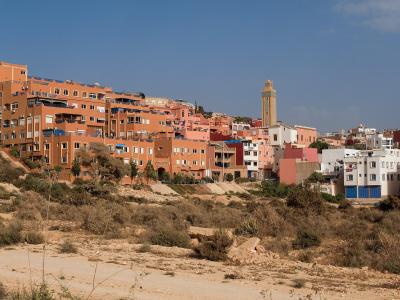
Tamraght Village
Relaxed Atlantic village with authentic culture and surf
Activities & Adventure · Coastal & Maritime
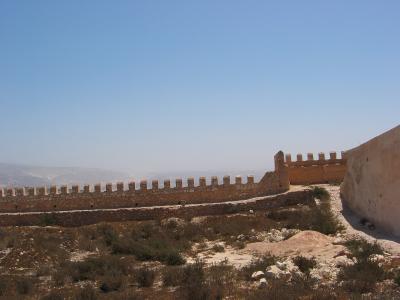
Kasbah of Agadir
16th-century fortress with panoramic city views
History & Heritage · Traditional Culture
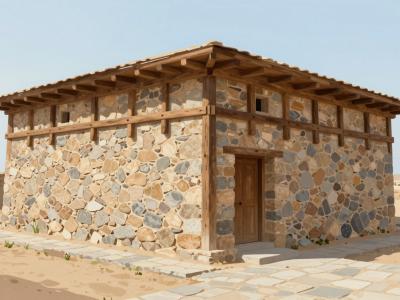
Agadir Museum
Museum dedicated to the 1960 Agadir earthquake
Cultural Experiences · History & Heritage
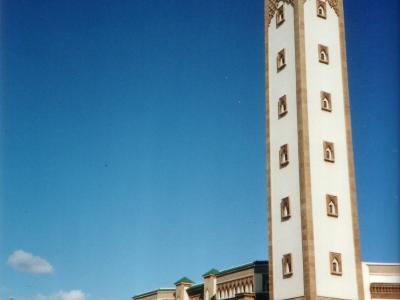
Mosque of Agadir
Largest mosque in Agadir, built in 1960
Architecture · Religious Sites
Questions people ask
Quick Facts
Best Time to Visit
All year for sun: January highs average about 21 °C and August about 27 °C. Most of the little rain falls from November to March; the sea is warmest (about 23 °C) in September and October.