
- Admission
- Free admission
- Hours
- Daily 9:00 a.m. to 8:00 p.m. (Note: One source cites 9 AM to 6 PM; hours may shift seasona...
- Where
- Rabat, Rabat-Salé-Kénitra
- Directions
- Directions
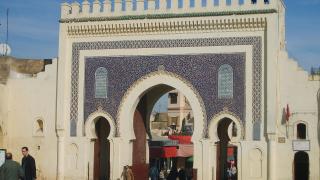
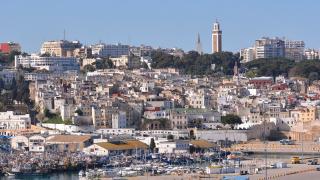
The Kasbah of the Oudaias is the fortified old quarter of Rabat, standing on a rocky promontory where the Bou Regreg River meets the Atlantic Ocean, directly across the water from Salé, a district that the Bouregreg divides from Rabat. The site has been fortified since the twelfth century, when the Almohad dynasty built a ribat, a fortified base, here to launch campaigns in Spain and to guard the river mouth. Its most striking monument from that time is the great gate, Bab Oudaia, completed in the late twelfth century under Yaqub al-Mansur and decorated with a huge carved arch and bands of geometric stonework, one of the finest examples of Almohad monumental design.
Later periods added layers. In the early seventeenth century, Andalusian refugees from Spain, among them the Hornacheros, settled here and ran a semi-independent corsair republic with Salé, raiding shipping in the Atlantic. In the late seventeenth century, Sultan Moulay Ismail resettled the Oudaya tribe in the Kasbah and built a palace, a mosque and defensive works, which gave the quarter its name and much of its present form. Today the kasbah is part of the Rabat ensemble inscribed by UNESCO as a World Heritage Site in 2012.
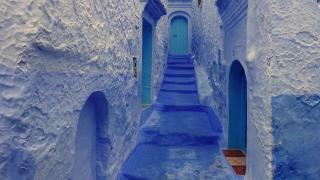
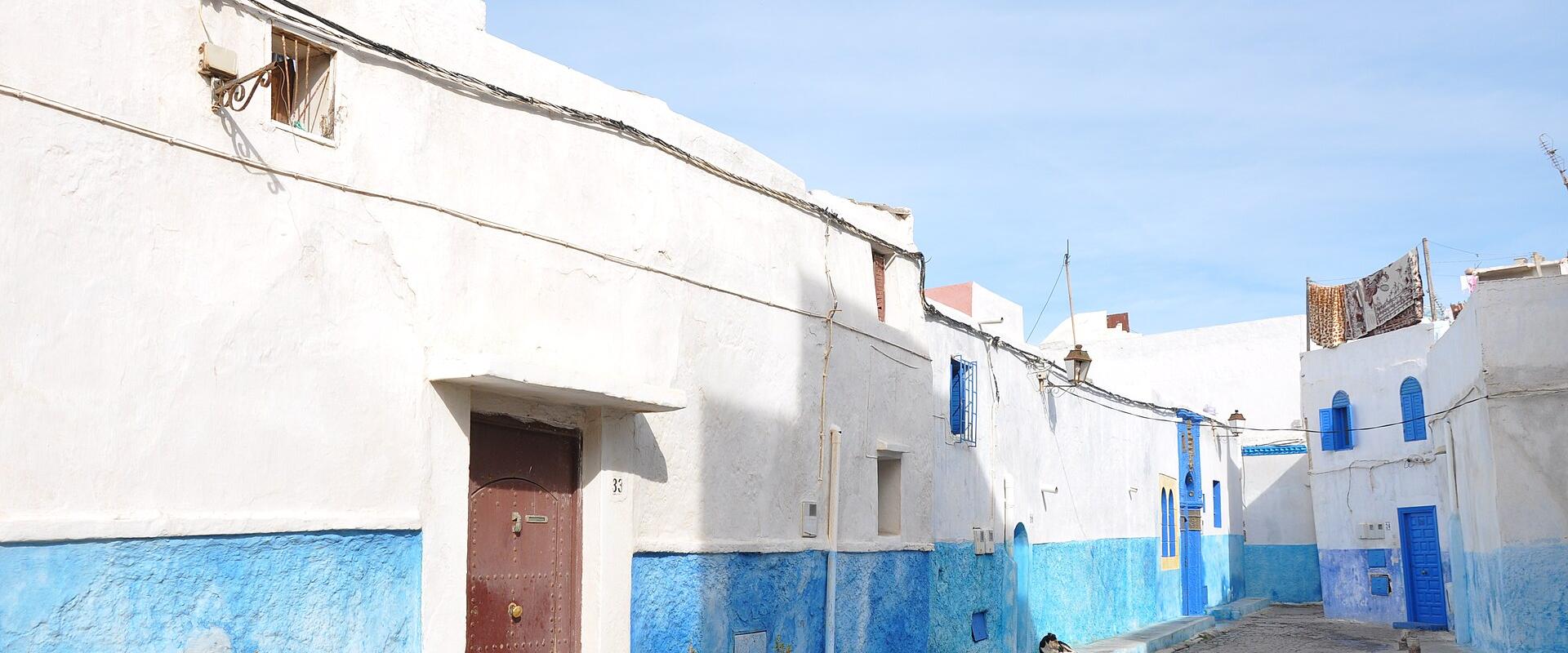
Passing through the gate, you enter a village within the city. The lanes are narrow and whitewashed, with doors and window frames painted blue, and low houses with flat roofs open onto small squares. Cats sleep in the sun, and the sounds of the city fade. The main street leads down to a viewing platform at the edge, with old cannons and a view over the river, the ocean and the white town of Salé. Some of the houses have been converted into guesthouses, and small shops sell crafts. The palace of Moulay Ismail now houses the Oudaias Craft Museum, and the nearby Andalusian Gardens offer a tranquil pause.
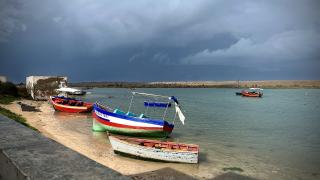
The best-known stop is the Café Maure, on a terrace overlooking the river, where mint tea and almond pastries are served in the shade. It has been a gathering place for decades, and the view of boats, fishermen and the river's mouth is a pleasure in the late afternoon. Prices are modest, and it is a good place to rest after exploring.
Visitors should dress modestly and walk gently, remembering that this is a residential neighbourhood. Be wary of people offering unofficial guiding, and agree prices before accepting any service. Opening hours of the museum and garden vary, so check locally. The kasbah is a short walk from the centre of Rabat, and it combines well with the Hassan Tower, the Archaeological Museum and a walk along the river. It suits history readers, photographers and anyone looking for Rabat’s oldest and most atmospheric corner.
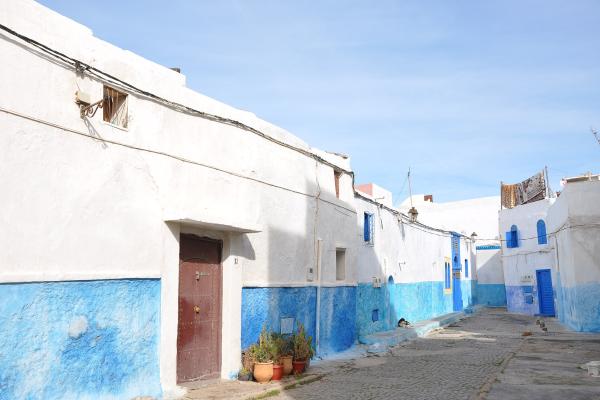
More photos coming soon
Hours & Fees
- Open
- Daily 9:00 a.m. to 8:00 p.m. (Note: One source cites 9 AM to 6 PM; hours may shift seasonally)
- Admission
- Free admission
Hours and prices change, especially out of season. Check with the venue before you go.
Nearby Attractions
Other places to visit in Rabat
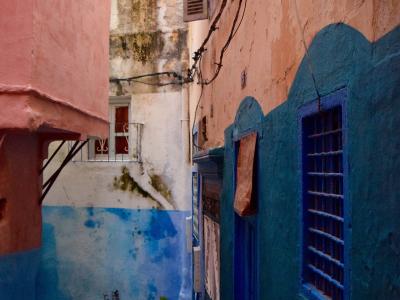
Oudaias Craft Museum
Ethnographic museum in Andalusian Kasbah
Local Crafts · Museums
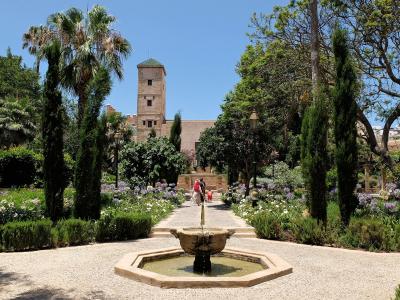
Andalusian Gardens
Terraced Spanish-Moorish garden in the 17th-century Kasbah
Architecture · Gardens
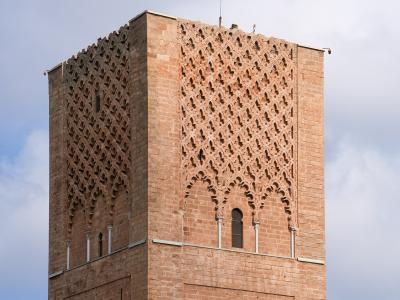
Hassan Tower
44m Almohad minaret, sole remnant of an unfinished 12th-c...
History & Heritage · Urban Exploration
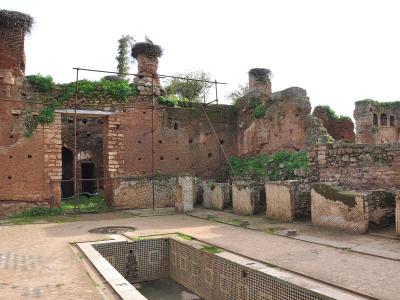
Chellah Necropolis
Roman ruins and Merinid tombs in Rabat
Cultural Experiences · History & Heritage
Questions people ask
Quick Facts
Best Time to Visit
Visit in spring or autumn for mild temperatures ideal for exploring historic sites and coastal areas comfortably.