Rabat-salé-kénitra
Moroccan capital blending Atlantic coast, history, and administrative center
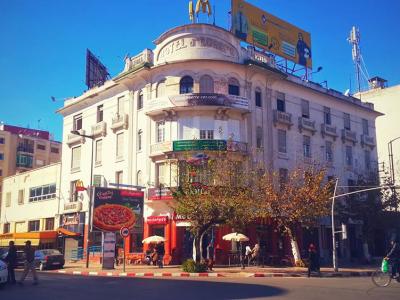
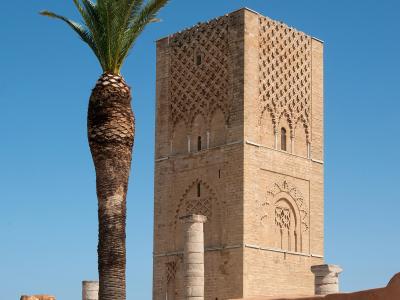
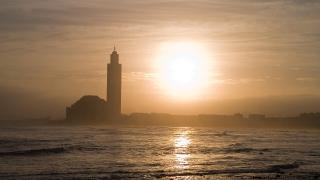
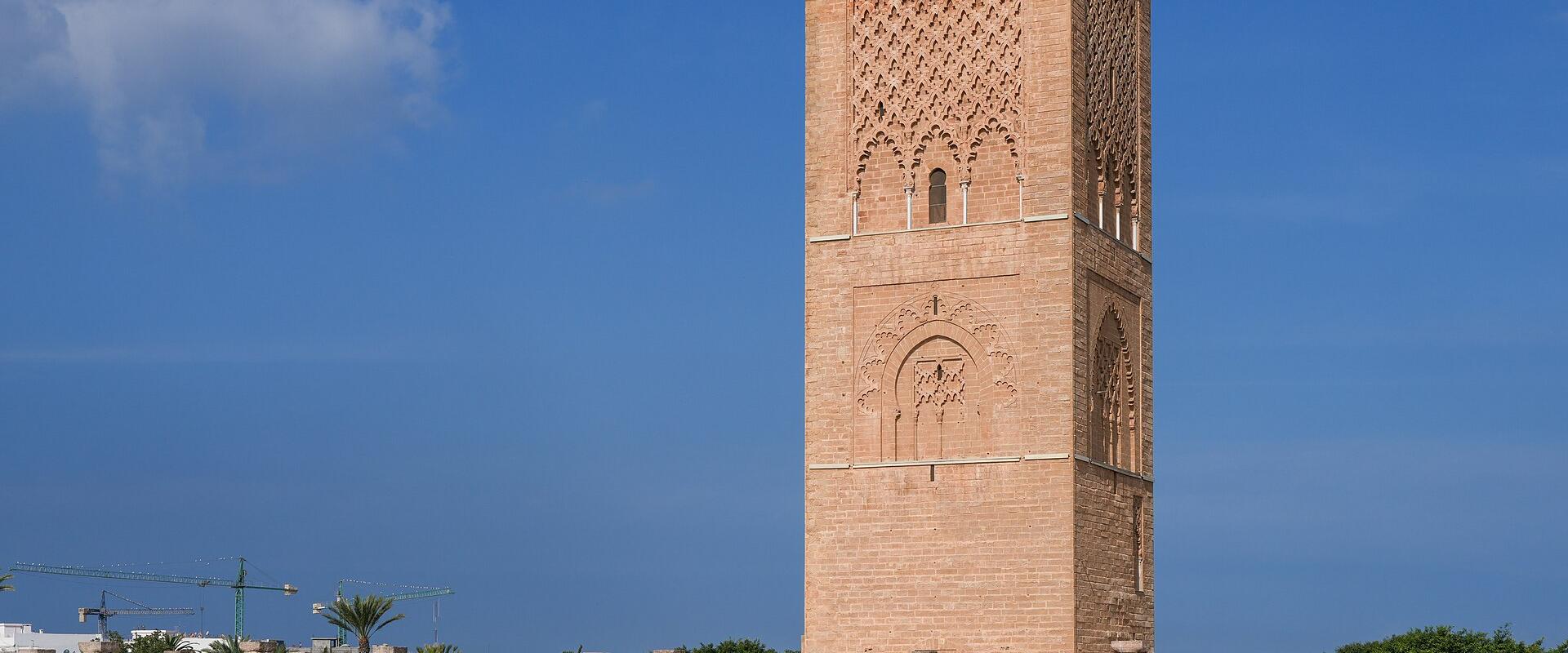
Rabat-Salé-Kénitra is the political and cultural nucleus of Morocco, with Rabat as the capital city. The region's history is long, dating back to pre-Roman times, but it flourished under the Almohad dynasty in the 12th century, which established Rabat as a fortified city. The Hassan Tower, an unfinished minaret from this era, remains a powerful symbol of this period. The Alaouite dynasty later confirmed Rabat's status as the capital, and the French protectorate, from 1912, added new districts in the Ville Nouvelle, mixing colonial architecture with traditional Moroccan design. This historical layering creates a varied urban landscape where ancient kasbahs sit alongside modern government buildings.
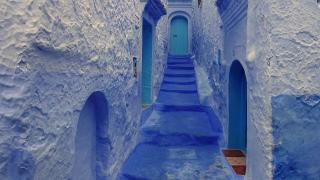
The main attractions in Rabat include the Royal Palace, Dar al-Makhzen, whose grounds are closed to the public, and the Kasbah of the Udayas, a whitewashed fortress overlooking the Atlantic with blue-and-white painted houses. The Chellah Necropolis, a Roman site later converted into a Marinid necropolis, offers a serene garden setting with ancient ruins and nesting storks. Rabat's own page gives more detail on its monuments, museums and riverfront.
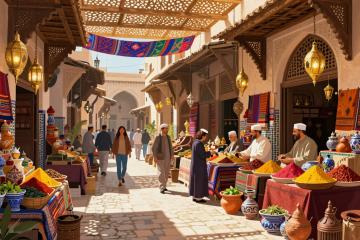
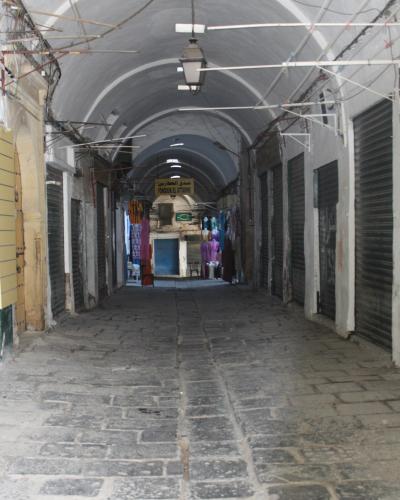
Across the Bou Regreg River lies Salé, known for its lively medina and traditional craft workshops, providing a more rustic contrast to Rabat's polished avenues. Together the two cities form a metropolitan area linked by bridges and a tram. Further along the coast, Témara and Skhirat have beaches and resorts used by residents of the capital, while the Kasbah of Mehdia near Kénitra sits on a hill above the mouth of the Sebou River.
Kénitra, further inland, is an industrial and agricultural hub with its own historical significance as a former French colonial settlement, known earlier as Port-Lyautey. The Sebou valley supports farming, and the Maâmora cork oak forest, one of the largest of its kind, covers the plateau between Rabat and Kénitra. Moulay Bousselham, on the coast of the province, has a lagoon known for its birdlife, and its beach draws summer visitors. The inland plains toward Khemisset, with towns such as Tiflet, give a picture of rural Morocco on the road to Meknes.
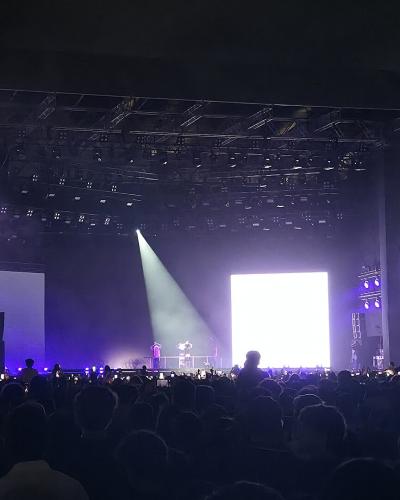
Cultural life is a strength. Mawazine, officially Mawazine – Rythmes du Monde, is a major international music festival held annually in Rabat, bringing performers from many countries to stages across the capital. Jazz au Chellah is a seasonal music series held at the Chellah site, using the ruins and gardens as a setting. Museums, such as the Mohammed V Mausoleum complex with its Hassan Tower esplanade, the Mohammed VI Museum of Modern and Contemporary Art and the archaeological collections, give visitors a wide view of the country's heritage.
Activities in the region range from exploring the museums and the medinas to enjoying the coastal promenades along the Atlantic, birdwatching on the lagoons and walking in the cork oak forest. The region is well connected by rail and road, with the Rabat-Ville and Rabat Agdal stations offering frequent train services to Casablanca, Tangier and Marrakech. The climate is Mediterranean, with mild, wet winters and warm, dry summers. The best time to visit is during the spring (March to May) or autumn (September to November) when temperatures are pleasant for sightseeing. Summer can be hot and humid, while winter may bring rain.
The region's culinary scene offers a mix of traditional Moroccan dishes and international cuisine, reflecting its status as a capital region. Visitors can enjoy fresh seafood in Salé or dine in restaurants in Rabat's city centre, and the markets of the smaller towns sell farm produce from the plains. The area is also a centre for arts and culture, hosting festivals and events throughout the year, making it a rewarding destination for cultural visits.
Best Time to Visit
Visit in spring or autumn for mild temperatures ideal for exploring historical sites and coastal areas comfortably.
Did you know?
Interesting, verified facts about Rabat-salé-kénitra
King Mohammed VI was born here
Notable PersonKing Mohammed VI, the current monarch of Morocco, was born in the Rabat-Salé-Kénitra region.
Source: external sourcePlan Your Visit to Rabat-salé-kénitra
Essential travel tips and information for your trip to Rabat-salé-kénitra.
Suggested Itineraries
One Day in Rabat-salé-kénitra
1 dayPerfect for a quick visit. See the main highlights and get a taste of local culture.
Extended Rabat-salé-kénitra Experience
2-3 daysComprehensive exploration including nearby attractions and cultural experiences.
Travel Tips
Currency
MAD • Cards widely accepted
Language
Moroccan • English in tourist areas
WiFi
Free WiFi in cafes and hotels
Explore Rabat-salé-kénitra by Interest
Discover attractions and experiences in Rabat-salé-kénitra organized by your interests and travel preferences.
All attractions in Rabat-salé-kénitra
Sorted by our recommendation score
Quick Facts
Book your stay
Frequently Asked Questions
More destinations in Rabat-Salé-Kénitra
Explore other amazing places in the Rabat-Salé-Kénitra region