







- Where
- Casablanca, Casablanca-Settat
- Directions
- Directions
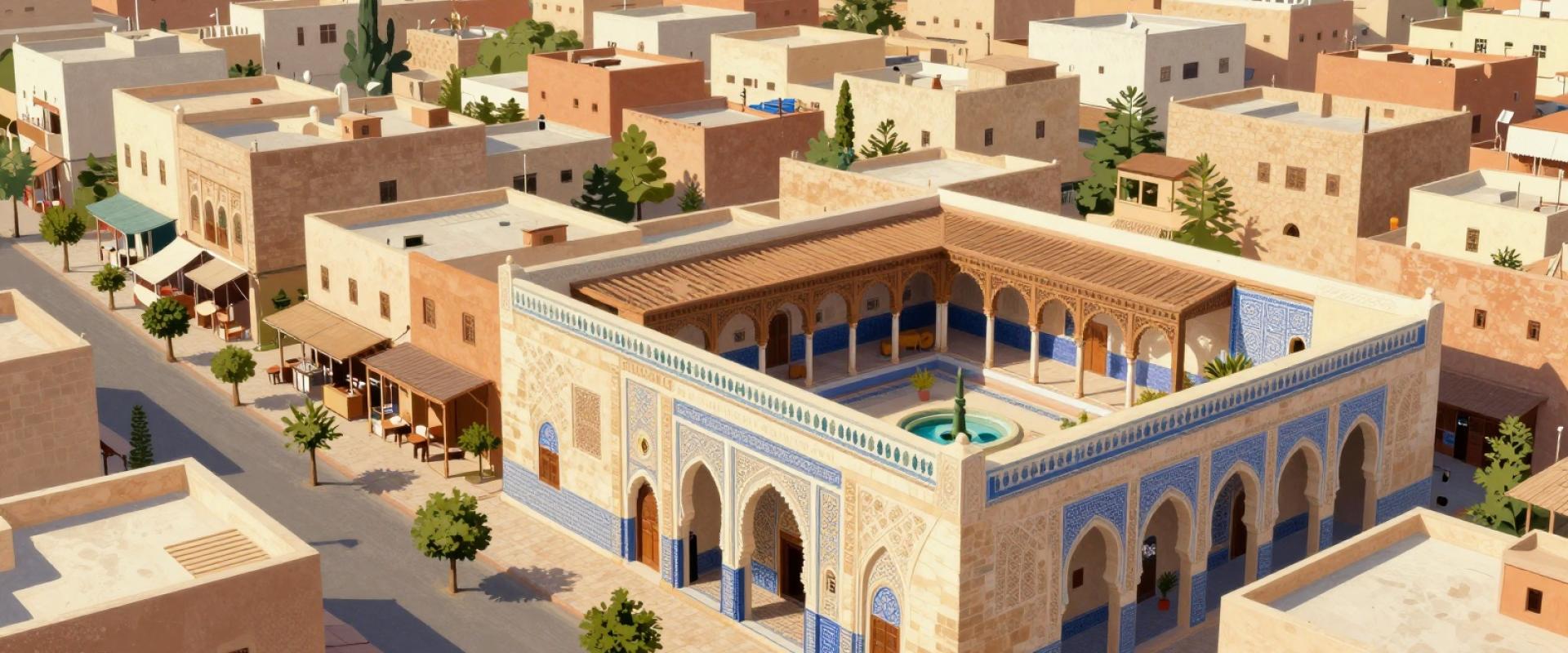
The Habous Quarter, often called the New Medina, is a district of Casablanca built by the French protectorate in the 1910s and the decades that followed, and it is where the city's planners tried to blend Moroccan architecture with modern town planning. The name comes from habous, the Arabic term for religious endowments, because the land was largely endowed property that the authorities used to create a new residential and commercial district for the Muslim Moroccan population. The aim was to relieve overcrowding in the old medina and to offer a more orderly alternative, and the result is a neighbourhood that looks traditional but has wider streets, straight lines and carefully designed public squares.
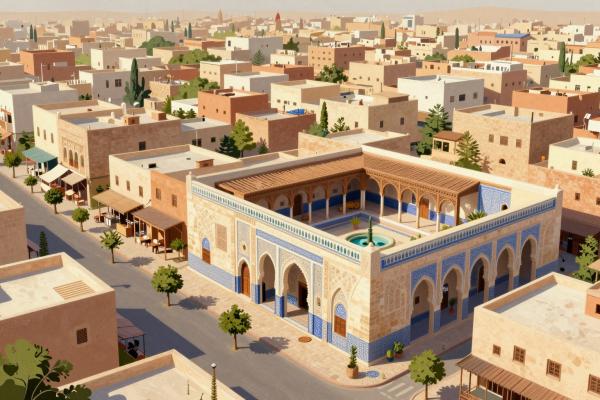
The architecture is in a style often called neo-Moorish, or Hispano-Moorish, and it borrows Moorish-Andalusian features from the great cities of Morocco and Andalusia: horseshoe arches, arcaded passages, tiled roofs, carved wooden doors and decorative ironwork. The architects, who were French, studied the medinas of Fez and Marrakech and then adapted what they found, so the Habous looks like an idealised version of a traditional town. Shops are arranged in covered arcades, with workshops and stores selling crafts, books, pastries, olives and household goods, and the mood is calmer and tidier than in the older medina. The Quarter is also known for its bookshops, particularly on the main streets, and its bakeries and pastry shops, where visitors can try sweets such as gazelle horns and almond cakes.
Several buildings stand out. The Mahkama du Pacha, built in the 1940s in Hispano-Moorish style as a court and administrative building, has elaborate carved plaster, painted ceilings and tilework, and it is considered one of the finest examples of the neo-Moorish style in the city. There are also mosques, a royal palace to which access is restricted and public squares where residents meet. The quarter is a living neighbourhood, so visitors will see everyday life alongside the architecture.
Walking is the best way to explore. A leisurely tour takes about two hours, with time to stop for mint tea and to browse in the shops. Visitors should dress modestly, ask before photographing residents and shopkeepers, and bargain politely for any purchases. Prices in the arcades are fairer than at major tourist sites, but they still vary. Mornings are quiet, while late afternoons are lively, and many shops close on Friday around the midday prayer.
The Habous suits those interested in Casablanca’s urban history, architecture and crafts. It pairs well with the Old Medina, which shows what the city looked like before the French plan, and with the Art Deco centre, which shows the other face of colonial planning. Together the three districts give a rounded picture, and a short taxi ride connects them.
More photos coming soon
Nearby Attractions
Other places to visit in Casablanca
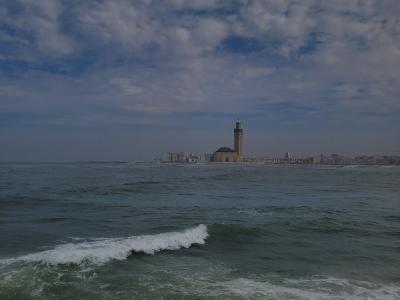
Hassan II Mosque
210m minaret mosque on Atlantic promontory
Architecture · Religious Sites
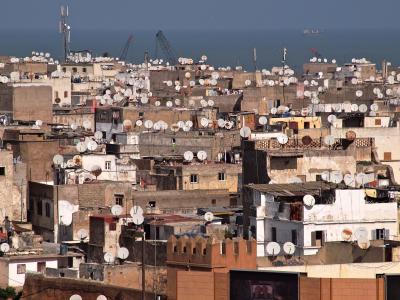
Old Medina
Historic quarter with maze-like alleys and traditional souks
Free Historic Towns · Markets
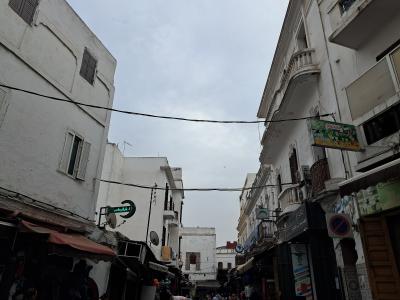
Casablanca Medina
Historic walled quarter in Morocco's largest city
Free Cultural Experiences · History & Heritage
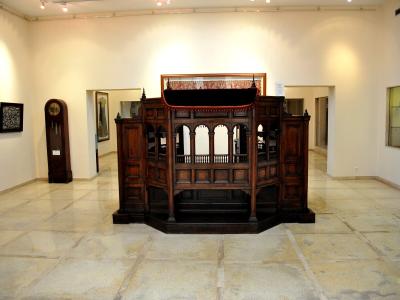
Museum Of Moroccan Judaism
Arab world's only museum dedicated to Moroccan Jewish her...
Museums · Traditional Culture
Questions people ask
Quick Facts
Best Time to Visit
Any time of year: Casablanca is mild, with January highs around 18 °C and August highs around 27 °C. Most rain falls from November to March.