







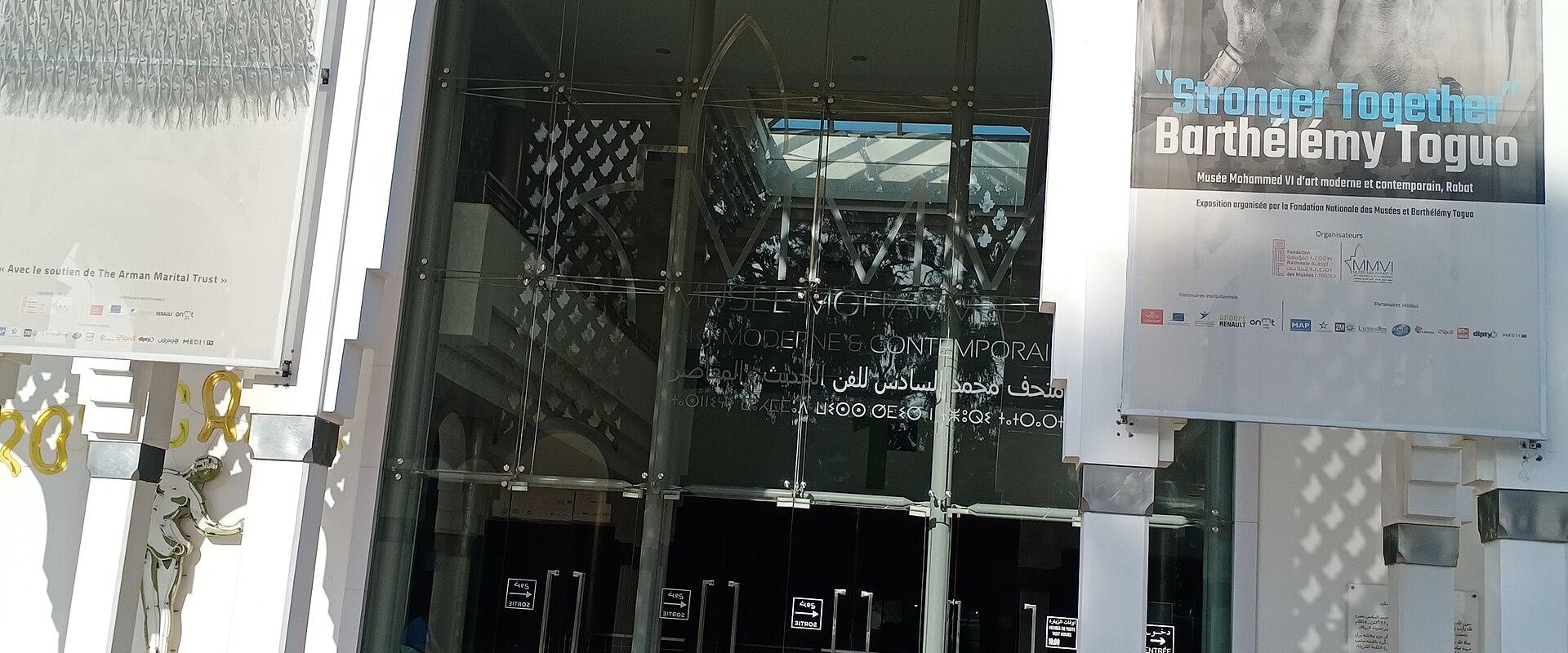
Museum of Modern and Contemporary Art
Morocco’s first modern art museum, founded by King Mohamm...
- Where
- Rabat, Rabat-Salé-Kénitra
- Directions
- Directions
The Mohammed VI Museum of Modern and Contemporary Art, usually abbreviated to MMVI, is Rabat's principal gallery of twentieth- and twenty-first-century art, and it presents the story of Moroccan painting, sculpture and photography in a purpose-built setting. It was inaugurated in October 2014 by King Mohammed VI, and it was widely described as the first major museum of its kind in Morocco and the first Moroccan public museum built to modern museum standards. It forms part of the National Foundation of Museums, and its opening was a significant moment in the cultural life of Rabat, reflecting a wider effort to give contemporary art a visible home in Morocco.
The building is the work of the Moroccan architect Driss Kettani, and it combines clean contemporary lines with references to Moroccan architecture, such as geometric patterns, courtyards and the play of light through screens. The galleries are spacious and well lit, with white walls and flexible spaces for changing exhibitions, and a garden and café provide a place to rest. Its location, on a broad avenue not far from the Hassan Tower and the Mausoleum of Mohammed V, makes it easy to combine with other sights in the city, and its modern style contrasts with the older monuments nearby.
The collection traces a century of artistic evolution. The inaugural exhibition, called "1914 – 2014: 100 Years of Creation," set out to show how Moroccan art developed from early painters who worked in European academic styles, through the pioneering generation that emerged after independence, to the experimental work of recent decades. Among the artists associated with the story are painters such as Jilali Gharbaoui, Ahmed Cherkaoui, Farid Belkahia and Mohamed Melehi, who in the 1960s and 1970s developed a distinctly Moroccan modernism, drawing on Amazigh symbols, calligraphy and craft traditions. More recent artists include photographer Hassan Hajjaj, known for his colourful portraits that blend street fashion and tradition, and the painter Ahmed Yacoubi, whose work is linked with the artistic circles of Tangier. The museum holds works by well over a hundred Moroccan artists.
Visitors should check the current exhibitions and opening arrangements, since displays change and the museum sometimes closes between shows. Labels are often in several languages, and guided visits may be available. A visit takes an hour or two. The museum suits art lovers and anyone who wants to see a different side of Morocco from the monuments and crafts that fill most itineraries. Rabat's World Heritage status as a historic and modern capital, recognised by UNESCO, is reflected in the way it combines old and new, and this museum is part of the modern layer.
It is a calm and rewarding stop, and it is a useful complement to the city's historic sites. Art is a language in which the country has been finding its own voice, and this is the place to hear it.
Categories
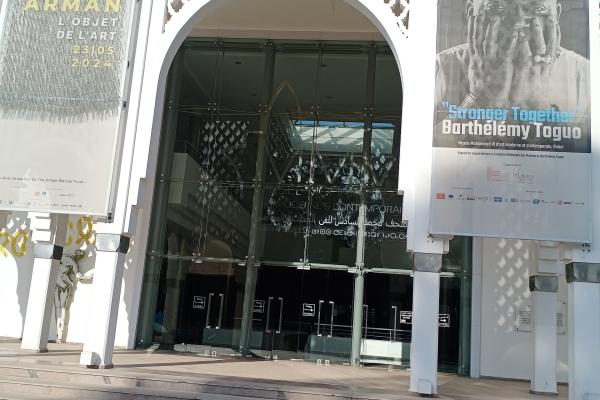
More photos coming soon
Nearby Attractions
Other places to visit in Rabat
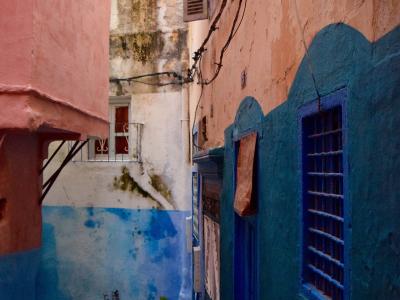
Oudaias Craft Museum
Ethnographic museum in Andalusian Kasbah
Local Crafts · Museums
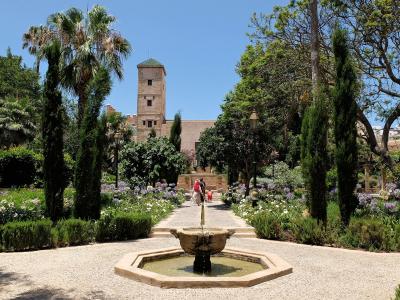
Andalusian Gardens
Terraced Spanish-Moorish garden in the 17th-century Kasbah
Architecture · Gardens
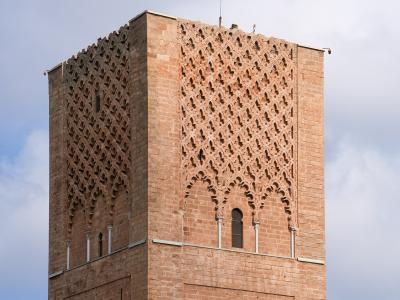
Hassan Tower
44m Almohad minaret, sole remnant of an unfinished 12th-c...
History & Heritage · Urban Exploration
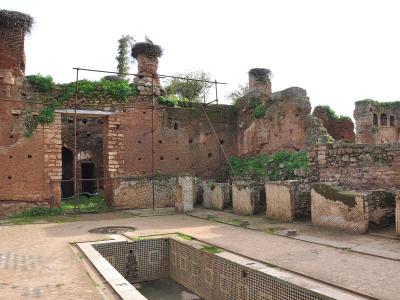
Chellah Necropolis
Roman ruins and Merinid tombs in Rabat
Cultural Experiences · History & Heritage
Questions people ask
Quick Facts
Best Time to Visit
Visit in spring or autumn for mild temperatures ideal for exploring historic sites and coastal areas comfortably.