







Nejjarine Museum of Wooden Arts and Crafts
18th-century caravanserai housing Moroccan woodcraft
- Admission
- 20-30 MAD, cash only
- Hours
- 10:00 to 18:00
- Where
- Fez, Fes-Meknes
- Directions
- Directions
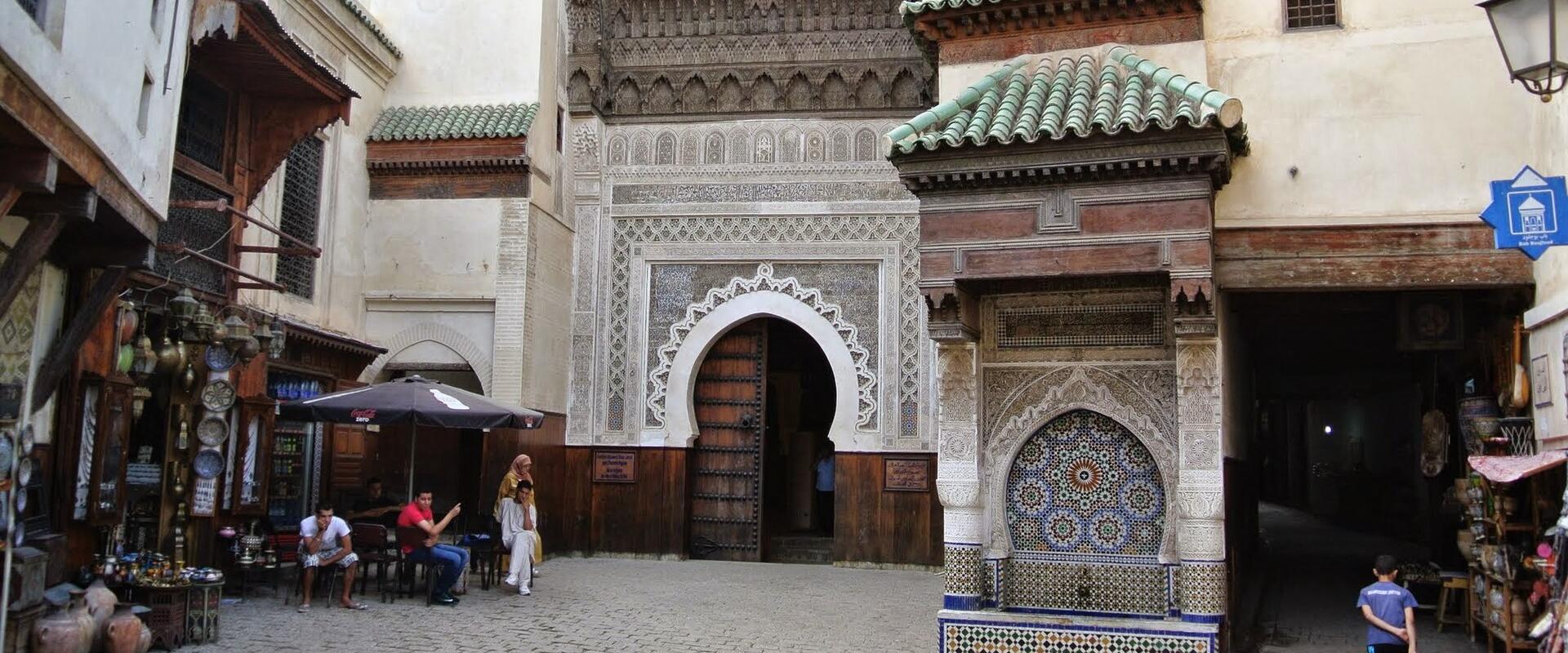
The Nejjarine Museum of Wooden Arts and Crafts fills a restored eighteenth-century funduq, a merchants' inn, on the edge of the carpenters' square in the old medina of Fes. The building was put up in the early eighteenth century to lodge traders and their animals and to store goods, in the typical layout of a caravanserai: a central courtyard with galleries on several floors. After years of decay, it was restored and reopened as a museum in 1998, and it has since become one of the best-known museums in the city. The name Nejjarine comes from the carpenters, who have worked in this part of the medina for centuries.
The building itself is the first exhibit. Entering from the square, you step into a courtyard with arches, a central basin and carved wooden galleries that rise around it. Cedar is used everywhere, in balustrades, doors, ceilings and brackets, and many surfaces are carved or painted with geometric and floral designs. Tilework and plaster add colour and texture. The rooms around the courtyard once housed merchants, and they now hold the collections, so the visit moves between display cases and architecture.
The collection covers a wide range of woodwork from across Morocco. Visitors can see carved and painted doors, window shutters, chests, inlaid furniture, cradles, ceremonial objects and tools used by carpenters, together with examples of marquetry and decorative panels. Some pieces come from houses in Fes, and others from different regions of the country, which helps show how styles vary between the city and the mountains. Information panels explain the types of wood used, such as cedar, walnut and thuya, and describe the techniques of carving, turning and joining without nails. It is a good place to understand how much of Fes’s architecture depends on wood.
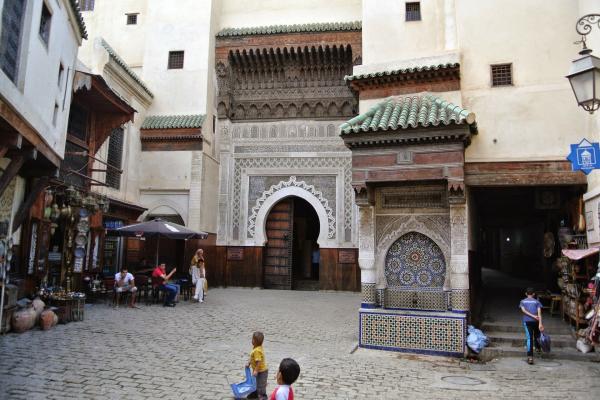
On the upper floors, a rooftop terrace and café give a view over the roofs of the medina and the minarets, which makes a restful stop after the lanes. Just outside the entrance is the Nejjarine Fountain, covered in tiles and carved wood, a place where people have long come for water. Visitors should check opening times and the ticket price locally, as these have changed, and carry cash for the admission fee and any purchases in the shops nearby.
A visit takes about an hour, and it fits well with a walk to Place Seffarine, the Qarawiyyin quarter and the tanneries. The museum suits craft lovers, architecture enthusiasts and anyone who wants to see the Moroccan tradition of wood at its best. It is also a good place to learn what to look for when buying carved wood in the souks.
Categories
More photos coming soon
Hours & Fees
- Open
- 10:00 to 18:00
- Admission
- 20-30 MAD, cash only
Hours and prices change, especially out of season. Check with the venue before you go.
Nearby Attractions
Other places to visit in Fez
Medina of Fez el-Bali
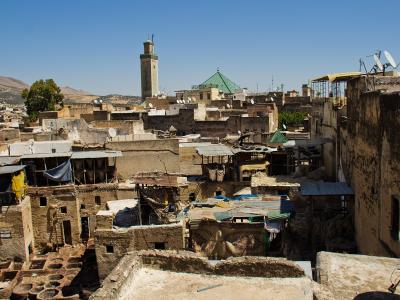
Best-preserved medieval Arab city with 9,400 alleyways
Cultural Experiences · History & Heritage
Chouara Tannery
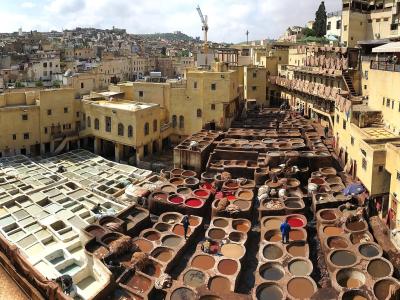
Fes' oldest tannery with historic dye pits
Free Historic Towns · Local Crafts
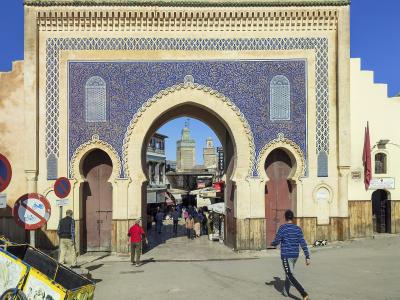
Bab Bou Jeloud
1913 French-built gate with blue mosaics
Cultural Experiences · History & Heritage
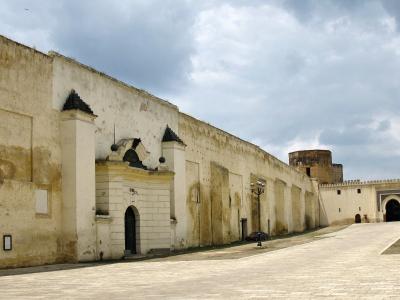
Bab Maqina
Historic military gate site in Fez Medina
Cultural Experiences · History & Heritage
Questions people ask
Quick Facts
Best Time to Visit
March to May and September to November. Summer afternoons average 35 °C in July; in January highs are about 16 °C and nights near 4 °C, and many riads are poorly heated.