







- Where
- Fez, Fes-Meknes
- Directions
- Directions
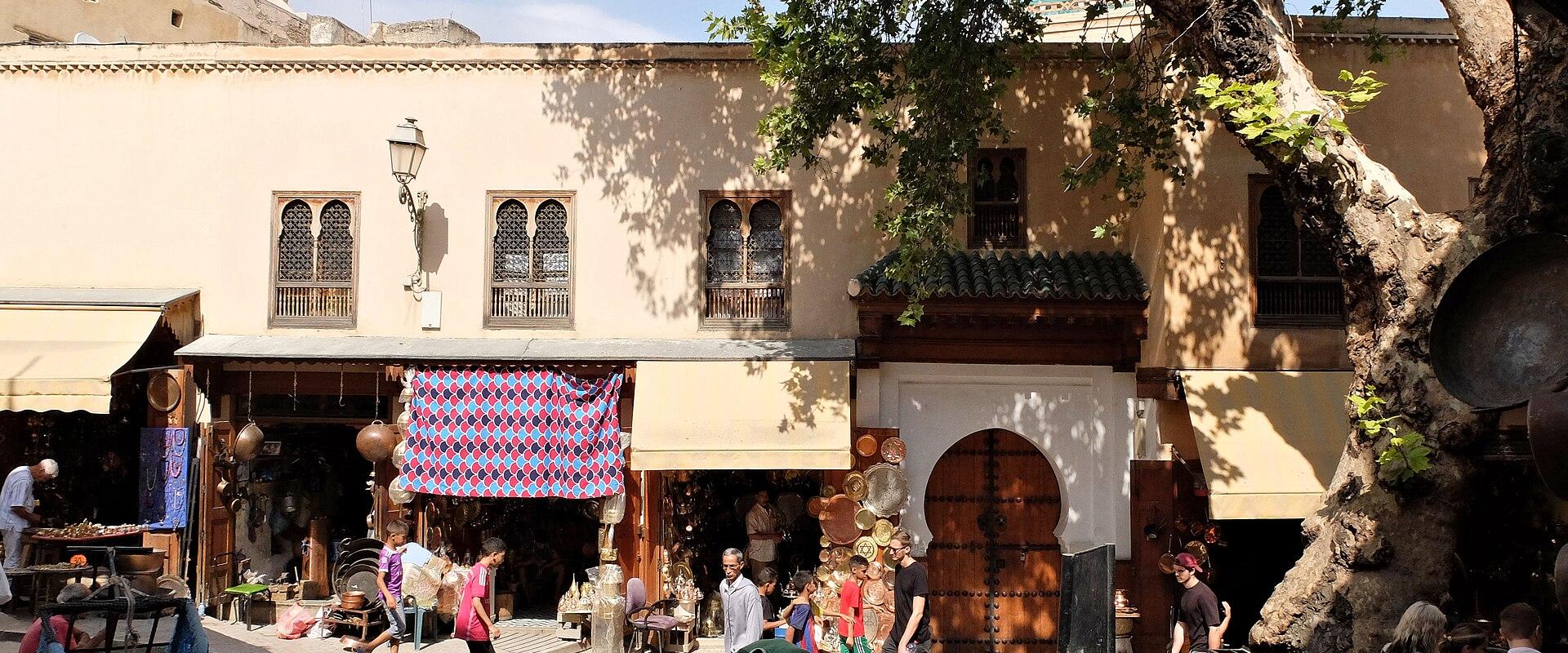
Place Seffarine is a small square in the old medina of Fes, close to the Qarawiyyin quarter, and it is the traditional home of the city's coppersmiths. The name comes from the seffarine, the metalworkers who hammer brass and copper into trays, pots, cauldrons and lanterns, and from the early morning until the late afternoon the square rings with the sound of their work. Fes el Bali is full of specialised craft quarters, but this one is among the easiest to find and the most atmospheric, and it is a good example of how the medina's trades are grouped.
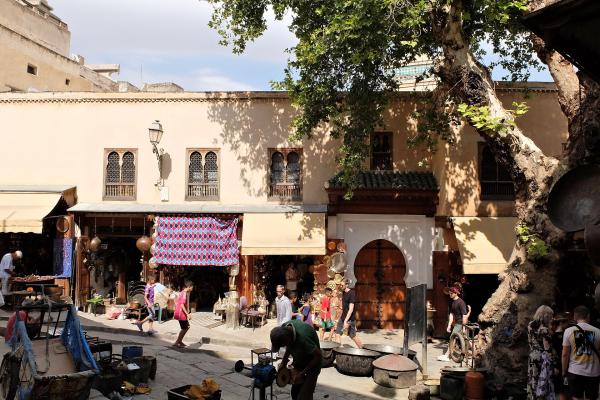
The square is shaded by a large old tree, around which workshops spread in an irregular ring. Craftsmen sit on low benches or stand at anvils, beating sheets of metal into shape with small hammers and decorating them with engraved patterns, and large copper pots are stacked outside, awaiting buyers. Some of these pots are used for cooking at weddings and festivals, and their size and weight show the tradition of communal feasts in Morocco. Smaller items, such as tea trays, teapots and incense burners, are sold in shops around the square. The work is skilled, with hammered surfaces, tinned interiors and detailed engraving, and watching the process takes you quickly to the idea of continuity.
At one side of the square stands the Medersa Seffarine, one of the oldest madrasas in Fes, founded by the Marinid dynasty in the late thirteenth century. Its courtyard is modest compared with those of the Bou Inania and Attarine madrasas, but its age is significant, and it is close to the Qarawiyyin Library, an old institution of learning. The proximity of a madrasa to a craft square is typical of the medina, where learning, worship and trade overlap, and the pattern helps explain how Fes functioned.
While the workshops and the square are open at all times, the best visit is in the morning or early afternoon, when work is in progress. There is no entry fee, though it is polite to buy something small or to tip if you take photographs of a craftsman. Bargaining is customary. Metalwork varies widely in quality, so look at the finish, weight and evenness of the engraving, and ask about the metal used. Be wary of unofficial guides who steer you to particular shops.
Place Seffarine suits craft lovers, photographers and anyone who wants to hear the medina at work. It combines well with the Qarawiyyin and the Nejjarine quarter, and it lies a short walk from the tanneries. Walking in from Bab Boujloud and following the lanes downhill takes about twenty minutes, and the square offers a natural rest, with a café or two nearby. It is a good place to learn how Fes’s artisans are organised, and why the city is so closely associated with craft in Moroccan culture.
Categories
More photos coming soon
Nearby Attractions
Other places to visit in Fez
Medina of Fez el-Bali
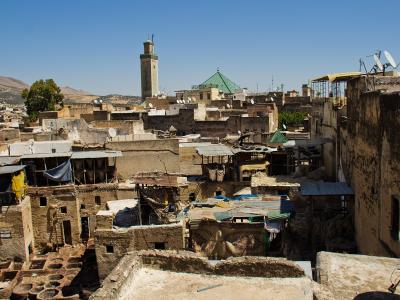
Best-preserved medieval Arab city with 9,400 alleyways
Cultural Experiences · History & Heritage
Chouara Tannery
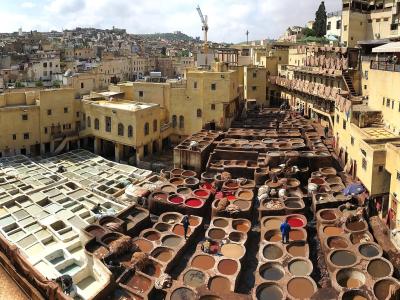
Fes' oldest tannery with historic dye pits
Free Historic Towns · Local Crafts
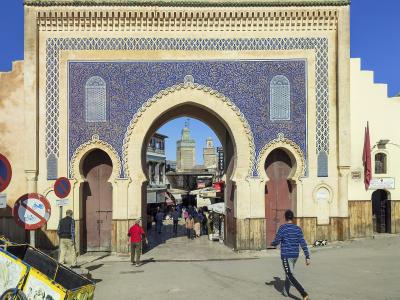
Bab Bou Jeloud
1913 French-built gate with blue mosaics
Cultural Experiences · History & Heritage
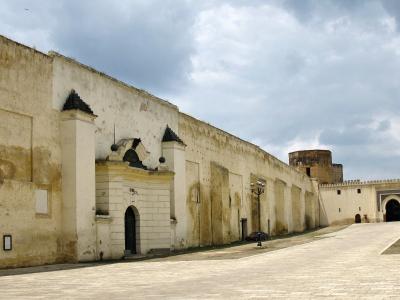
Bab Maqina
Historic military gate site in Fez Medina
Cultural Experiences · History & Heritage
Questions people ask
Quick Facts
Best Time to Visit
March to May and September to November. Summer afternoons average 35 °C in July; in January highs are about 16 °C and nights near 4 °C, and many riads are poorly heated.