







- Hours
- Daily 9:00 AM to 5:00 PM (10:00 AM to 4:00 PM during Ramadan)
- Where
- Marrakech, Marrakech-Safi
- Directions
- Directions
The Saadian Tombs are a royal burial ground in the Medina of Marrakech, tucked beside the Kasbah Mosque at the southern end of the old city, and they are one of the few places where the Saadian dynasty's refinement can be seen intact. The Saadians ruled much of Morocco from the sixteenth century into the seventeenth, and their greatest ruler, Sultan Ahmad al-Mansur, expanded an existing burial ground on this spot to create a grand mausoleum for himself and his family. The work took place in the late sixteenth century, at the same time as the building of the El Badi Palace nearby, paid for with the wealth that came from his campaigns and trade.
The site has an unusual history, and it is among the finest pieces of Islamic funerary art in the country. When the Alaouite sultan Moulay Ismail took power in the seventeenth century, he is said to have had the tombs walled up rather than destroyed, perhaps out of respect or perhaps to hide a reminder of the previous dynasty, and the complex was only reached through a narrow passage. It was effectively forgotten until 1917, when French authorities spotted it in aerial photographs and opened it again. That rediscovery explains why the decoration is so well preserved: it was shut away from the world for roughly two centuries.
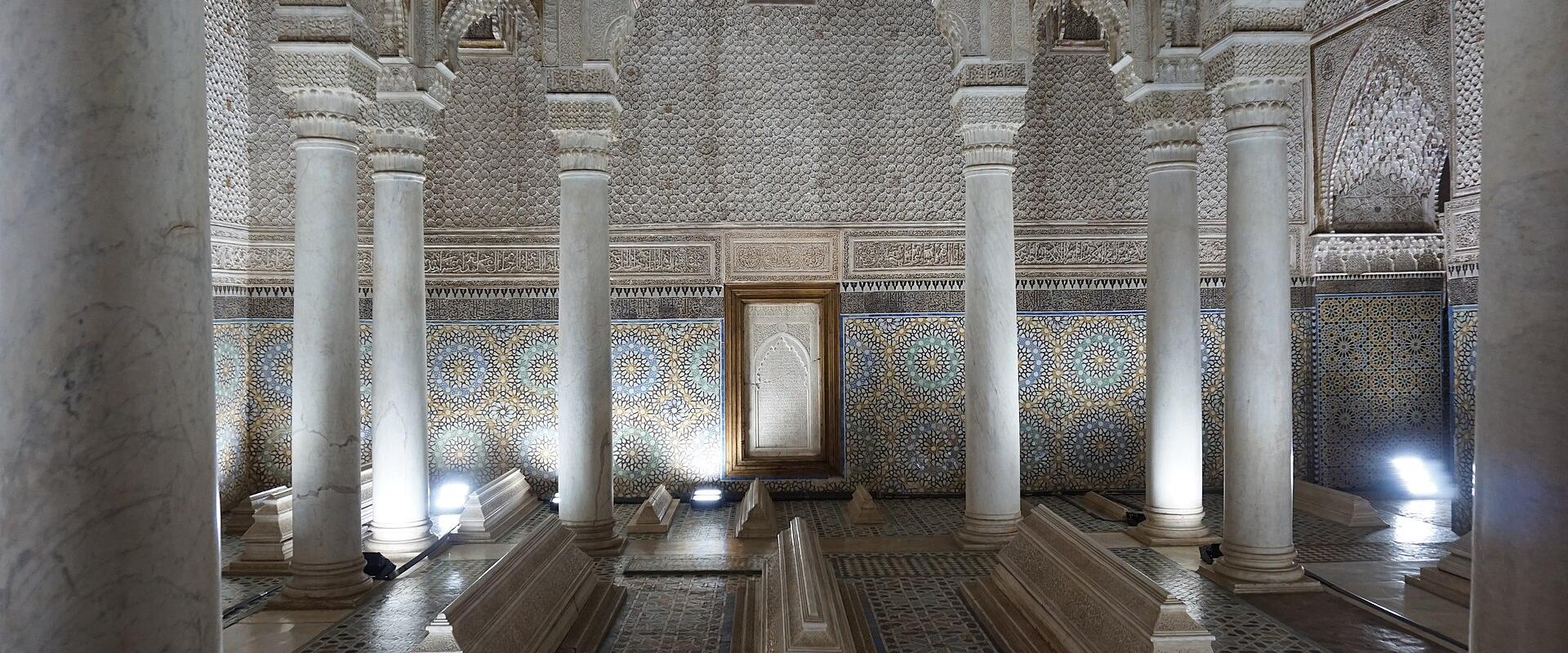
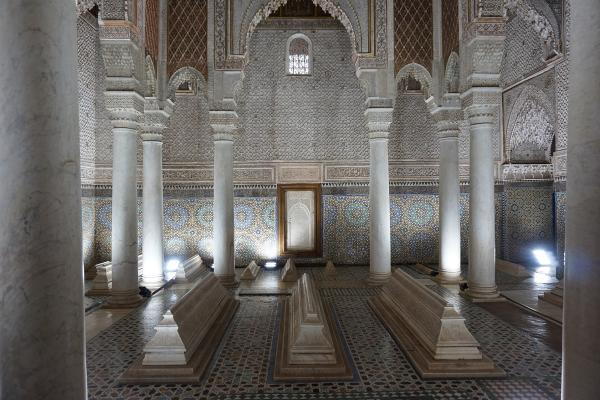
Visitors enter through a narrow passage beside the mosque and emerge into a small garden with orange trees and rose bushes, around which stand two main mausoleums. The finest is the Hall of the Twelve Columns, where the sultan lies with members of his family. Twelve slender columns of Italian marble support a ceiling of carved and gilded cedar, and the walls are covered with geometric zellij and delicate plaster carved into floral and calligraphic patterns. Tombs of marble and tile lie on the floor, each carefully inscribed. Another chamber holds the tomb of the sultan's mother, and the garden outside is dotted with simple stone graves of soldiers, servants and lesser members of the court, perhaps more than a hundred in all.
The space is small and popular, so queues are common and visitors move slowly through the main chamber. The best approach is to arrive early or late in the day, or in the shoulder seasons. Dress modestly, speak quietly and keep to the marked route. Check current opening hours and ticket prices locally.
The tombs combine well with the Kasbah Mosque and El Badi Palace in the same quarter, and a short walk leads to the Bahia Palace. The site suits history enthusiasts, architecture lovers and photographers, and it takes under an hour. Seen together with the ruins of El Badi, it gives a sense of how Marrakech’s sixteenth-century dynasty lived and was buried, and how quickly its monuments were reshaped by those who followed.
More photos coming soon
Opening Hours
- Open
- Daily 9:00 AM to 5:00 PM (10:00 AM to 4:00 PM during Ramadan)
Hours and prices change, especially out of season. Check with the venue before you go.
Nearby Attractions
Other places to visit in Marrakech
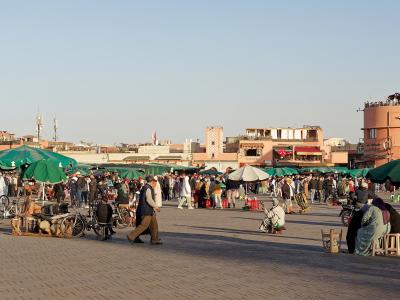
Jemaa el-Fnaa
Historic square and UNESCO intangible heritage site
City Centers · Town Squares
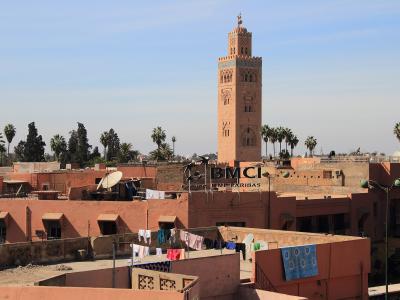
Koutoubia Mosque
12th-century Almohad minaret in Marrakech
Free Architecture · Historic Towns
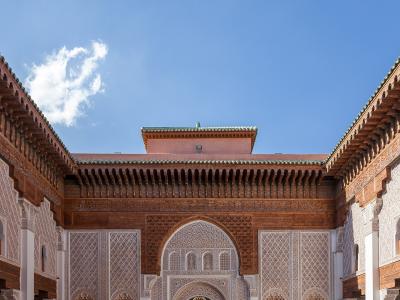
Ben Youssef Madrasa
16th-century Islamic school in Marrakech
Cultural Experiences · History & Heritage
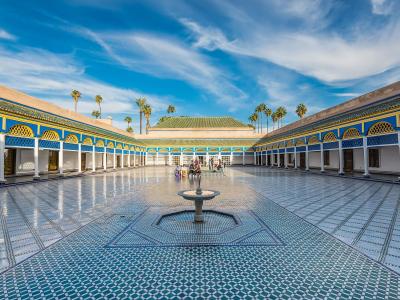
Bahia Palace
19th-century palace with stunning mosaics and gardens
Cultural Experiences · History & Heritage
Questions people ask
Quick Facts
Best Time to Visit
Visit in spring or autumn for mild temperatures ideal for exploring the medina and gardens.