







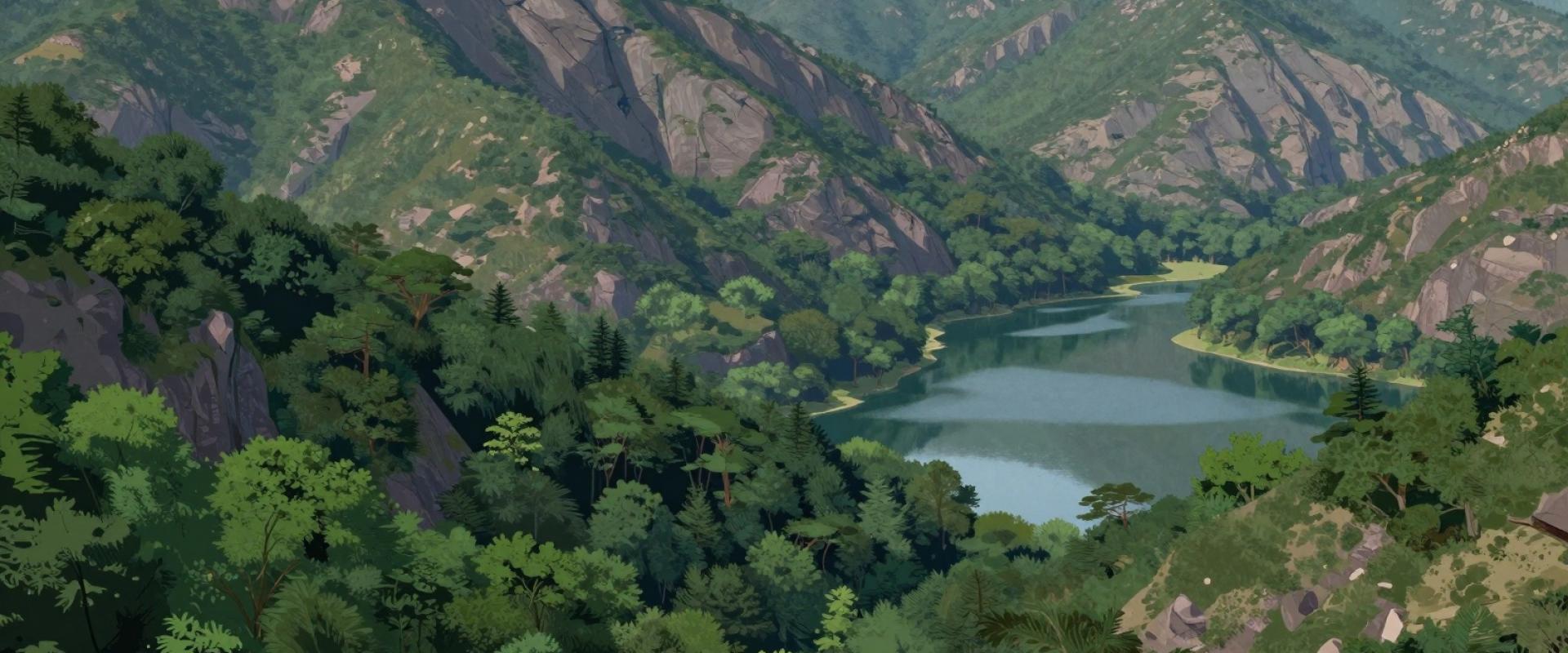
Saiss Plain and Atlas Mountains Viewpoints
Saiss Plain and Atlas Mountains views near Fez
- Where
- Fez, Fes-Meknes
- Directions
- Directions
The Saiss Plain is the broad, fertile lowland that stretches between Fez and Meknes, and the viewpoints around Fez let you see how the city sits at its edge, with the foothills of the Middle Atlas rising to the south. The plain is one of the most productive farming areas in Morocco, a wide basin of cereals, olives, vines and orchards, and Fez grew where the river Fez cuts through the hills on its way across it. Seeing the plain from above helps to explain why the city developed here, with water, fields and a route between the Atlantic and the interior.
The nearest viewpoints are on the hills that surround the old city. The ruined Merinid Tombs, on a ridge to the north, are the classic place to look back over the medina and its walls, with the plain beyond, and the old forts known as Borj Nord and Borj Sud, built in the sixteenth century to watch over the city, offer similar views. Sunset is the best time, when the roofs and minarets of Fes el-Bali turn gold and the plain fades into haze. A short taxi ride from the centre brings you to these places, and they are free.
Further afield, the Middle Atlas Mountains give a different kind of landscape. South of the city, the road climbs to Immouzer du Kandar, a hill town about thirty kilometres from Fez, known for its cool air, orchards and picnic spots, and beyond it lie forests of cedar and oak. Lakes such as Lake Dayat Aoua, also written Dayet Aoua, lie further south near Ifrane, about seventy kilometres from Fez, and offer walks, horseback riding and pedal boats in summer. The scenery here is greener and more open than the bare hills around Fez, and many residents of Fez drive up for the day to escape the heat.
Mountains rising beyond the plain belong to the Middle Atlas range, whose higher peaks catch snow in winter, and on a clear day you can see them from the viewpoints. The High Atlas lies further south, out of sight. Together the plain and the mountains form the setting of the imperial cities, and a day out of the medina shows how the landscape shaped them.
Practical advice is to take a taxi or a rental car, since public transport to viewpoints is limited. Carry water and a jacket, as the hills can be windy and mountains are cooler. Respect farmland, avoid leaving rubbish and dress modestly in villages. The best seasons are spring and autumn, when the air is clear.
The viewpoints suit photographers, walkers and families, and they make a pleasant break from the lanes of the medina. For many travellers, a sunset from the hills and a day in the cedar forests are the best complements to a stay in Fez.
Categories
More photos coming soon
Nearby Attractions
Other places to visit in Fez
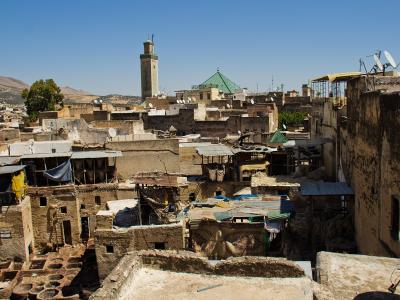
Medina of Fez el-Bali
Best-preserved medieval Arab city with 9,400 alleyways
Cultural Experiences · History & Heritage
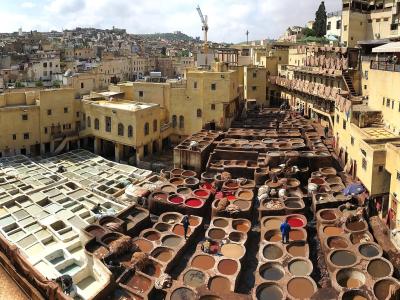
Chouara Tannery
Fes' oldest tannery with historic dye pits
Free Historic Towns · Local Crafts
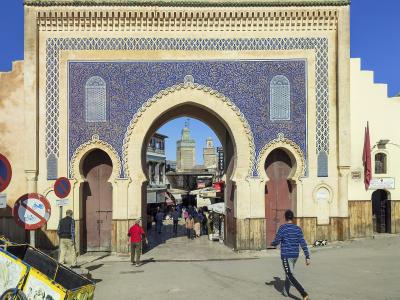
Bab Bou Jeloud
1913 French-built gate with blue mosaics
Cultural Experiences · History & Heritage
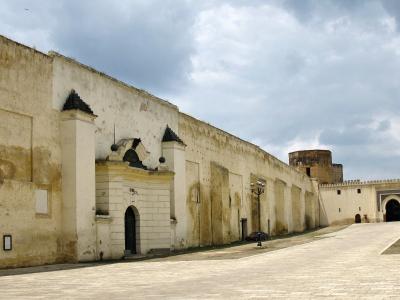
Bab Maqina
Historic military gate site in Fez Medina
Cultural Experiences · History & Heritage
Questions people ask
Quick Facts
Best Time to Visit
March to May and September to November. Summer afternoons average 35 °C in July; in January highs are about 16 °C and nights near 4 °C, and many riads are poorly heated.