







- Where
- Fez, Fes-Meknes
- Directions
- Directions
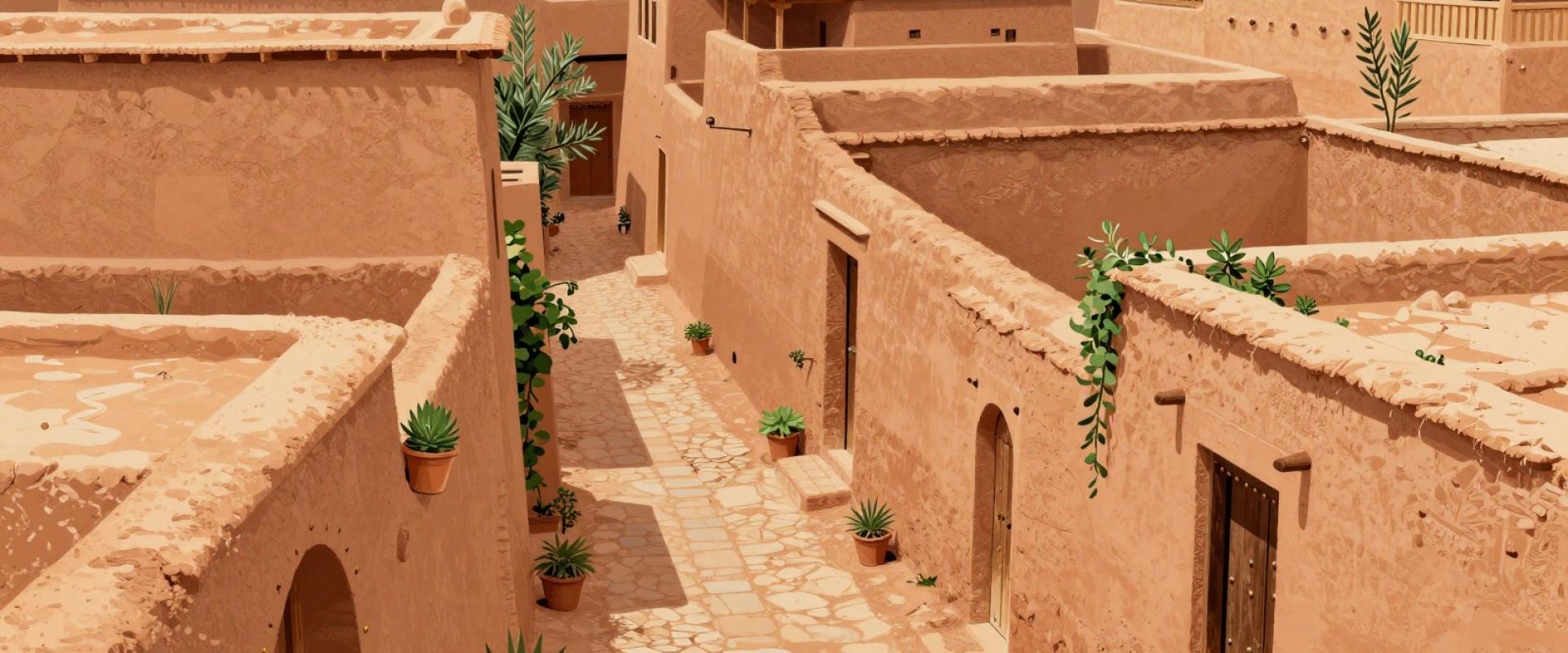
Fez el-Bali is one of the largest car-free urban areas in the world and the largest in Morocco, and its thousands of alleyways give it room for corners that most visitors never see. The classic circuit runs from Bab Bou Jeloud down to the Qarawiyyin and the Chouara Tanneries, but a short detour in almost any direction leads to quieter lanes where the pace slows and the medina feels like what it is, a residential city. These notes sketch a few ways to leave the main route without getting lost, and the best of them rely on landmarks that are easy to find again.
One of the most rewarding areas is the Andalusian Quarter, on the east bank of the Wadi Fez, the river that splits the old city. It was settled in the early ninth century by refugees from Córdoba, who left Spain after an unsuccessful revolt, and their descendants gave the quarter its name and its character. Its alleys are generally wider and calmer than those of the Qarawiyyin side, with houses that open onto small squares and a mosque of its own. Walking here in the morning, you see children on their way to school, bakers delivering bread and old men sitting in doorways, and the contrast with the souks is striking. The neighbourhood also has some fine old gates and fountains.
Place Seffarine, the square of the coppersmiths, is another good detour, with a large tree and workshops where metalworkers hammer trays and pots. The square sits beside the Qarawiyyin library, one of the oldest Islamic libraries in the world, so a short walk covers craft and learning together. From Place Seffarine, lanes lead on to quiet fondouks and small courtyards that tourists rarely enter, and an alley may open suddenly onto a view over the rooftops of the medina.
For a different pace, the Jnan Sbil Garden, just outside Bab Bou Jeloud, is a green refuge where people of Fez stroll, play and talk, especially in the evening. It is a good place to recover from the maze and to watch local life without being approached by touts. Another approach is to follow a water channel or a street named after a trade, such as the dyers' lane or the bakers' lane, and see where it leads.
For practical purposes, it helps to carry a map or use a phone, but also to remember that the lanes that go downhill usually lead toward the river and the main arteries. Muslims go to prayer at fixed times, so lanes near mosques are crowded around midday on Fridays. Dress modestly, greet people politely and ask before photographing. If you are lost, shopkeepers are usually willing to point the way, though be wary of unofficial guides who offer help and then ask for money.
One of the joys of Fez’s alleyways is that they reward patience. Go early, go slowly, and allow time to stop for tea. A morning of aimless wandering often provides more memories than a full programme of sights.
More photos coming soon
Nearby Attractions
Other places to visit in Fez
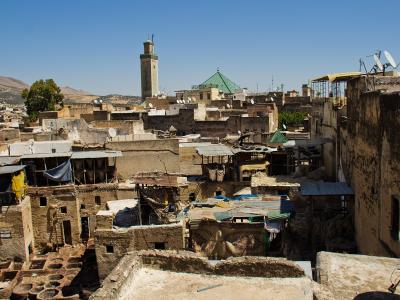
Medina of Fez el-Bali
Best-preserved medieval Arab city with 9,400 alleyways
Cultural Experiences · History & Heritage
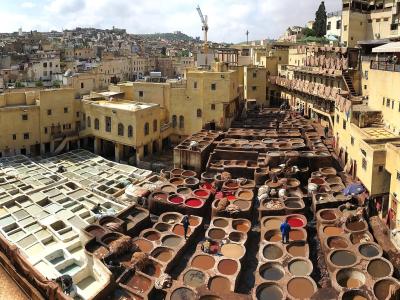
Chouara Tannery
Fes' oldest tannery with historic dye pits
Free Historic Towns · Local Crafts
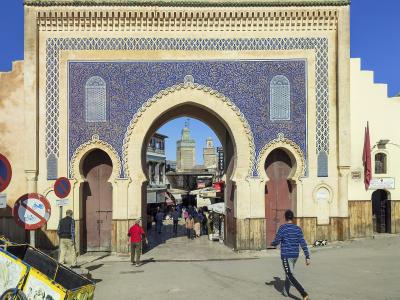
Bab Bou Jeloud
1913 French-built gate with blue mosaics
Cultural Experiences · History & Heritage
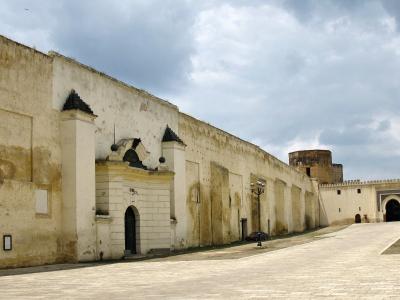
Bab Maqina
Historic military gate site in Fez Medina
Cultural Experiences · History & Heritage
Questions people ask
Quick Facts
Best Time to Visit
March to May and September to November. Summer afternoons average 35 °C in July; in January highs are about 16 °C and nights near 4 °C, and many riads are poorly heated.