
- Where
- Rabat-salé-kénitra, Rabat-Salé-Kénitra
- Directions
- Directions
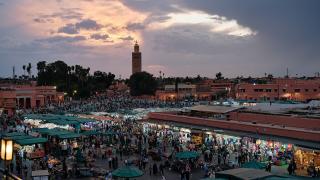
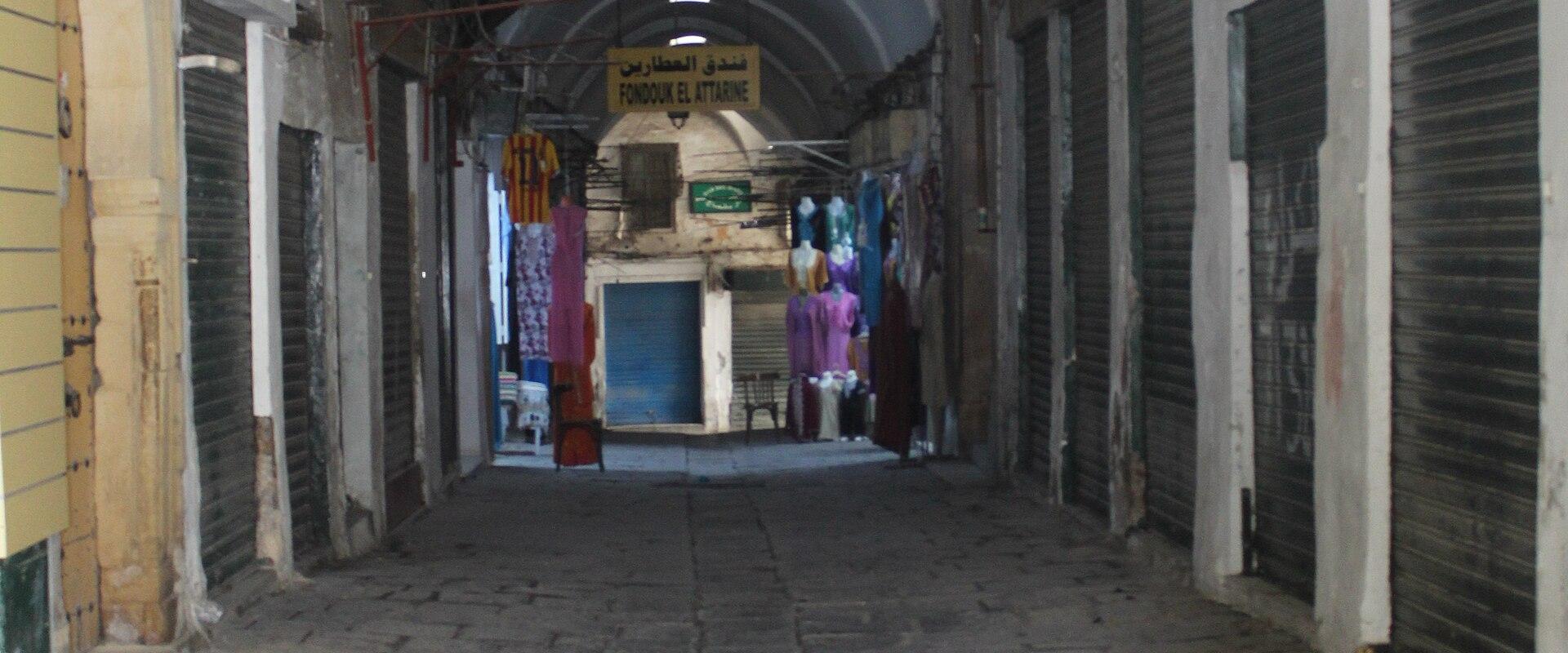
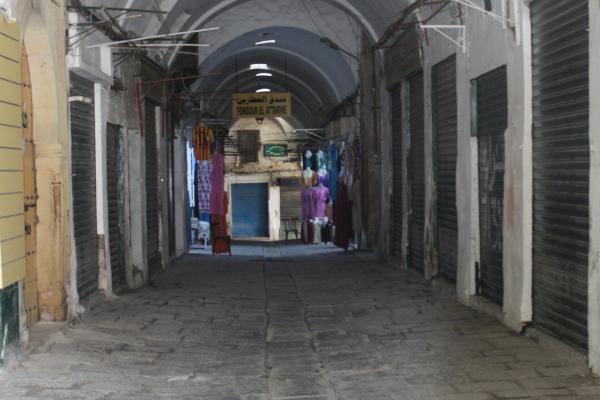
The name Souk El Attarine belongs to the market of the spice and perfume sellers, the attarine, a type of souk found in several Moroccan medinas, and the one described here is best known in connection with Tetouan. In every case the souk has the same basic character: a covered lane close to the main mosque or the centre of the old city, where traders sell spices, herbs, incense, perfumes, henna and often fabrics and small luxuries. The Fes version is the most famous, but Tetouan’s version is notable for its Andalusian atmosphere, which sets it apart from the markets of the south.
Tetouan was rebuilt in the late fifteenth century by refugees from Spain, and their influence is visible in the town's architecture, food and craft. The covered lanes of its souks are tiled and shaded, and the stall fronts are decorated, giving a more refined impression than the bustle of larger cities such as Marrakech. Among the traditions that the newcomers brought is embroidery, which developed into one of the best-known crafts of northern Morocco. Women and workshops produce fine work in silk thread on linen, in geometric and floral patterns derived from Andalusian textile arts, and the pieces are used for wedding costumes, cushion covers, tablecloths and ceremonial hangings. This Andalusian-Moroccan embroidery is slow, detailed work, and a good piece can take many days to complete.
For visitors, the pleasure of the souk lies in walking slowly and looking. Spices are displayed in cones and baskets, with saffron, cumin, ginger, paprika and the blend known as ras el hanout, and the scent of dried roses, cedar and incense lingers in the lanes. Some shops sell traditional medicines and cosmetics such as kohl and rose water. Textile stalls display embroidered linen, silk ribbons and lace, and a few workshops let you see the work in progress. Prices are negotiable, but the pace is calmer than in tourist-heavy markets, and many traders are happy to explain their products.
Practical advice is to go in the morning, when shops are open and the light is good, and to bring small change. Dress modestly, ask before photographing people and keep valuables secure. Check whether an embroidered item is hand-stitched or machine-made, and look at the back of the work, since genuine pieces are neat on both sides. A local guide can help find the best workshops.
Visitors interested in textiles, spices and the Andalusian heritage of northern Morocco will find it rewarding. It makes a natural stop on a walk through the medina of Tetouan and shows how a craft and a trade can carry the memory of a lost homeland across centuries, and across the water from Spain.
Categories
More photos coming soon
Nearby Attractions
Other places to visit in Rabat-salé-kénitra
Questions people ask
Quick Facts
Best Time to Visit
Visit in spring or autumn for mild temperatures ideal for exploring historical sites and coastal areas comfortably.