
- Where
- Fez, Fes-Meknes
- Directions
- Directions
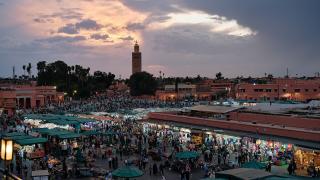
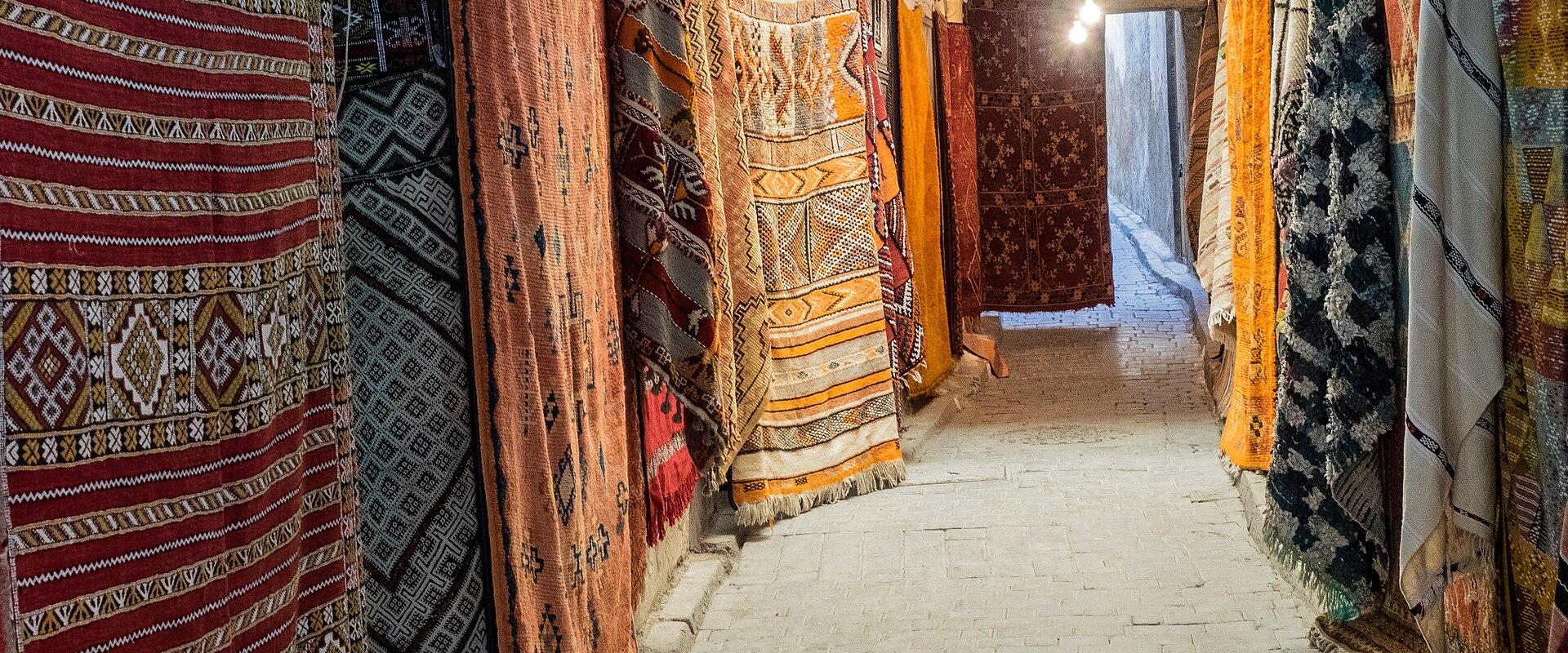
The Souks of Fez are not one market but a web of specialist markets spread across the Medina, and the best way to enjoy them is to understand how they are organised. Traditionally each trade had its own quarter, so that cloth dealers, spice sellers, coppersmiths, carpenters and dyers kept to their own streets, and many of those divisions survive in Fez’s trading life today. This system explains why walking from one lane to the next feels like passing between different worlds, each with its own sounds and smells.
Near the Qarawiyyin mosque, Souk el-Attarine is the old spice and perfume market, where sacks of cumin, saffron, ras el-hanout and dried herbs are sold alongside incense, dried rose petals and henna. The nearby Kissaria is a covered market with fabrics, clothing, jewellery and household goods behind gates that were once locked at night. At Place Seffarine, the coppersmiths hammer large pots and trays, the sound carrying across the square, while in Nejjarine the carpenters work cedar. Closer to the river, the dyers' souk shows skeins of coloured wool hanging to dry, and the tanners work the hides that supply the leather shops.
Fez is also known for its pottery. Workshops make the blue-and-white ceramics associated with the city, as well as tiles for the zellij mosaics that decorate buildings across the country. Embroidery, brassware, lanterns, slippers, belts and leather bags fill the shops, and many are produced in the workshops behind them. Some stalls also sell street snacks such as olives, nuts and sweet pastries, which are a good way to refuel.
Shopping here takes time. The lanes twist, and it is easy to lose your bearings, so a guide or a map is helpful, particularly on a first visit. Prices are negotiable for most goods, and the best approach is to be polite, ask about materials and methods and compare in several shops. Shopkeepers may offer tea, and accepting it is not an obligation to buy. Be wary of unofficial guides who steer you to particular shops for commission, and keep an eye on belongings in busy lanes.
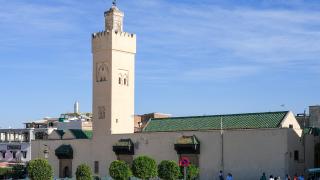
Morning is the best time, since the shops are open and the temperatures are lower, and Friday midday sees many close for prayers. The main landmarks, such as the Bou Inania Madrasa and the Chouara Tanneries, serve as useful reference points between the markets. The souks suit shoppers, photographers and anyone who enjoys craft, but they reward a calm approach. While they can be overwhelming, patience pays off. Allow at least half a day and expect to return to some lanes more than once. They form part of Morocco’s artisanal tradition at its most concentrated.
Categories
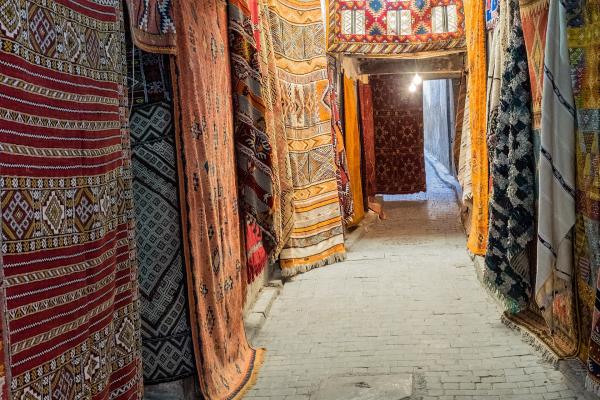
More photos coming soon
Nearby Attractions
Other places to visit in Fez
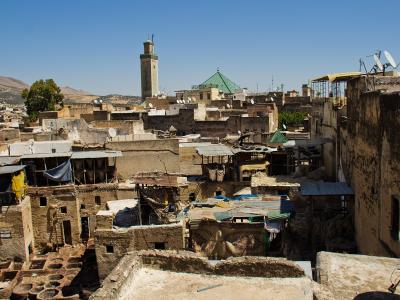
Medina of Fez el-Bali
Best-preserved medieval Arab city with 9,400 alleyways
Cultural Experiences · History & Heritage
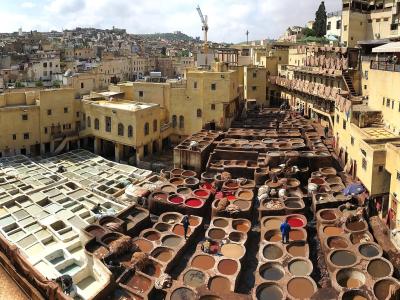
Chouara Tannery
Fes' oldest tannery with historic dye pits
Free Historic Towns · Local Crafts
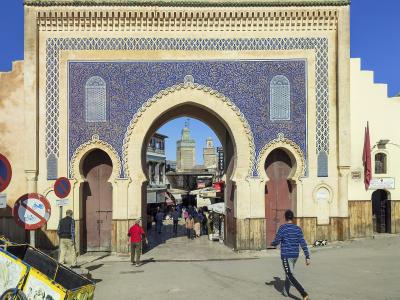
Bab Bou Jeloud
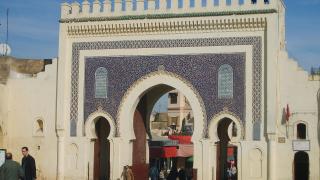
1913 French-built gate with blue mosaics
Cultural Experiences · History & Heritage
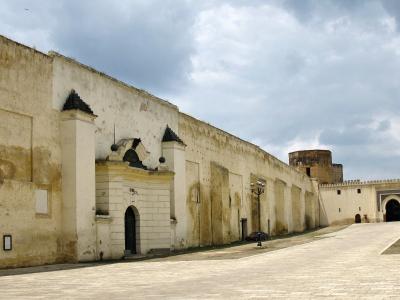
Bab Maqina
Historic military gate site in Fez Medina
Cultural Experiences · History & Heritage
Questions people ask
Quick Facts
Best Time to Visit
March to May and September to November. Summer afternoons average 35 °C in July; in January highs are about 16 °C and nights near 4 °C, and many riads are poorly heated.